








In an age where quick fixes for weight loss are rampant, finding natural and sustainable methods to shed pounds has become imperative. Fad diets and weight loss pills may promise immediate results, but they often come with side effects and a risk of regaining weight. Here, we present ten proven methods to help you lose weight naturally and effectively.
Thank you for reading this post, don't forget to subscribe!1. Embrace Whole Foods
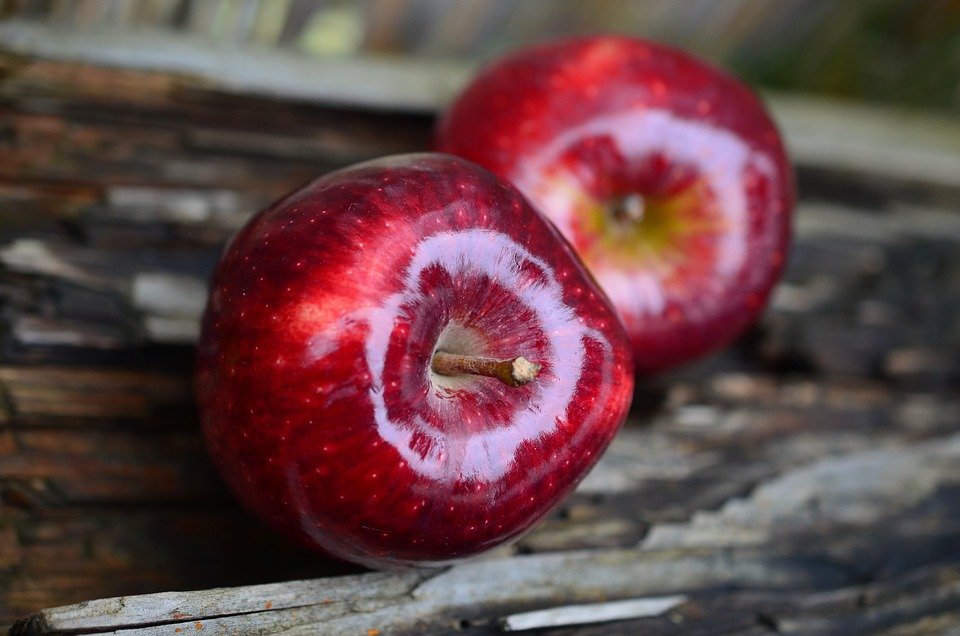
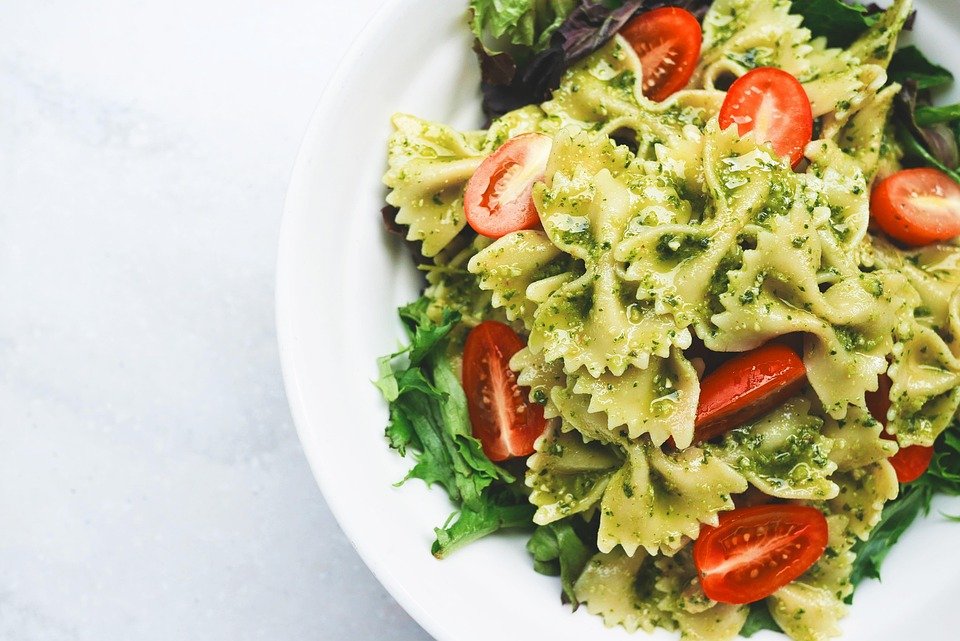
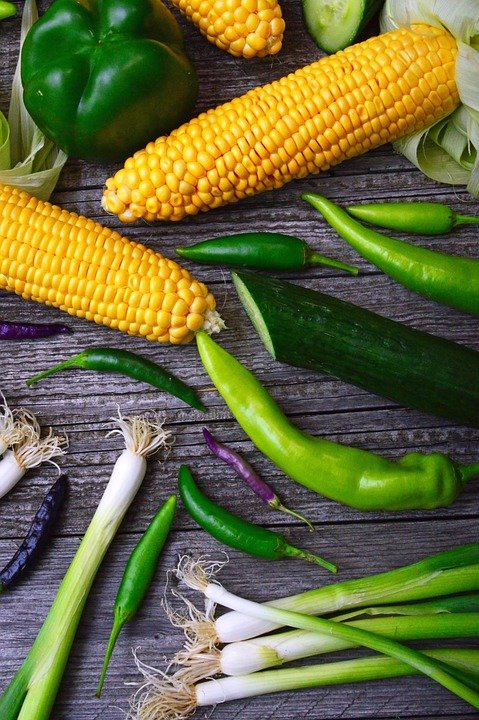
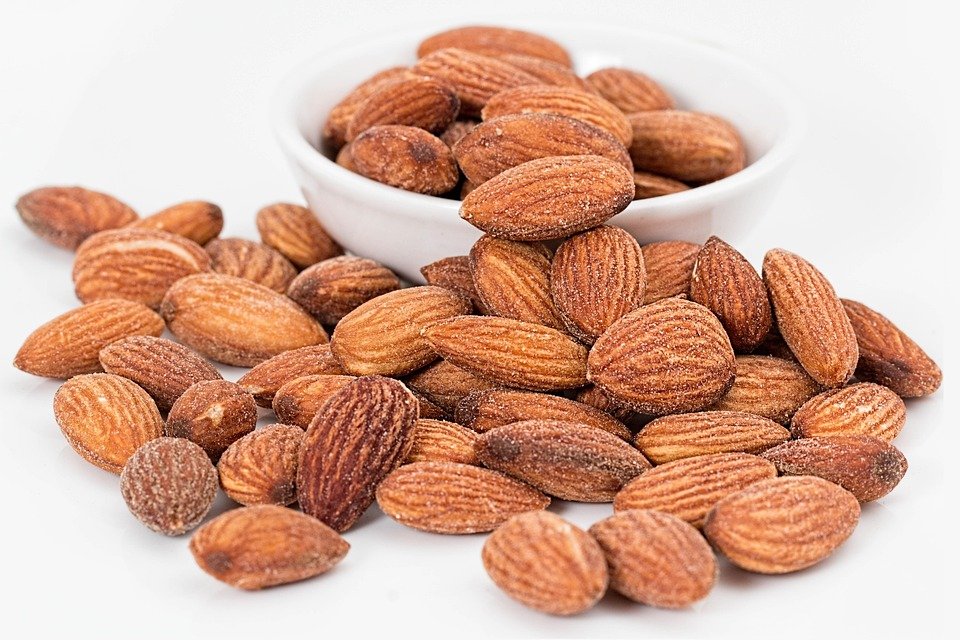
A diet rich in whole foods, such as fruits, vegetables, whole grains, lean proteins, and healthy fats, can help you feel full longer. These foods are lower in calories while providing essential nutrients that your body craves. Prepare meals at home to control ingredients and portions, making it easier to stick to healthier choices.
2. Stay Hydrated
Drinking sufficient water can boost metabolism and reduce hunger. Sometimes, our bodies misinterpret thirst as hunger. Aim for at least 8-10 glasses of water a day, and consider drinking a glass before meals. This tactic can help you eat less and stay hydrated.
3. Incorporate Regular Physical Activity
Exercise not only helps burn calories but also increases muscle mass, which can enhance your metabolic rate. Aim for at least 150 minutes of moderate aerobic activity or 75 minutes of vigorous activity every week, including strength training exercises twice a week. Find an activity you enjoy, as you’re more likely to stick with it.
4. Get Adequate Sleep
Lack of sleep can disrupt hormones related to hunger and appetite, making it harder to lose weight. Aim for 7-9 hours of quality sleep each night to support your weight loss journey. Create a calming bedtime routine and limit screen time before sleep to improve the quality of your rest.
5. Practice Mindful Eating
Mindful eating involves paying full attention to the experience of eating: notice the taste, texture, and aroma of food. Avoid distractions like TV or smartphones, chew slowly, and savor each bite. This practice can help you tune into your body’s hunger signals and prevent overeating.
6. Reduce Sugar Intake
Added sugars can contribute significantly to weight gain. They provide empty calories with no nutritional benefits. Focus on reducing sugary drinks, desserts, and snacks. Instead, opt for natural sources of sweetness, such as fruits, to satisfy your sweet tooth without overindulging.
7. Increase Fiber Intake
Fiber helps promote feelings of fullness, reducing overall calorie intake. Include fiber-rich foods like beans, lentils, vegetables, and whole grains in your meals. Aim for at least 25 grams of fiber per day to support digestion and weight loss.
8. Find a Support System
Having a support network can make a significant difference on your weight loss journey. Whether it’s friends, family, or a weight loss group, sharing your goals and challenges can provide motivation and accountability. Support from others can make the process less daunting and more enjoyable.
9. Utilize Portion Control
Understanding serving sizes can help prevent overeating. Use smaller plates, measure servings, and be mindful of portion sizes, especially if dining out. Learning to recognize when you are satisfied rather than full can lead to healthier eating habits over time.
10. Keep a Food Journal
Documenting what you eat can provide insights into your dietary habits and behaviors. A food journal can help identify patterns, emotional eating triggers, and unintentional mindless snacking. This increased awareness often leads to better choices and motivates you to stay committed to your goals.
Conclusion
Succeeding in weight loss requires commitment, patience, and a multifaceted approach. By incorporating these ten natural methods into your lifestyle, you can create a sustainable path toward achieving your weight loss goals. Remember, individual results may vary, and it’s essential to find what works best for you.
FAQs
1. How quickly can I expect to see results using these methods?
Results will vary depending on individual factors such as metabolism, adherence to changes, and specific lifestyle circumstances. However, gradual changes can lead to sustainable weight loss of 1-2 pounds per week.
2. Are there any foods I should completely avoid when trying to lose weight?
It’s more effective to focus on moderation rather than complete avoidance. Reduce high-calorie foods with low nutritional value, such as sugary snacks and sodas, but allow yourself occasional treats to avoid feelings of deprivation.
3. Can I lose weight without exercising?
While physical activity greatly aids weight loss and management, you can lose weight through diet alone by creating a calorie deficit. However, combining diet with exercise yields better results and enhances overall health.
4. Is it safe to lose weight rapidly?
Rapid weight loss can be unhealthy and unsustainable. It’s generally recommended to aim for 1-2 pounds per week to promote lasting results and minimize health risks.
5. Should I consult a healthcare professional before starting a weight loss program?
Yes, especially if you have existing health conditions or concerns. A healthcare professional can provide personalized guidance and ensure your weight loss plan is safe and appropriate.