










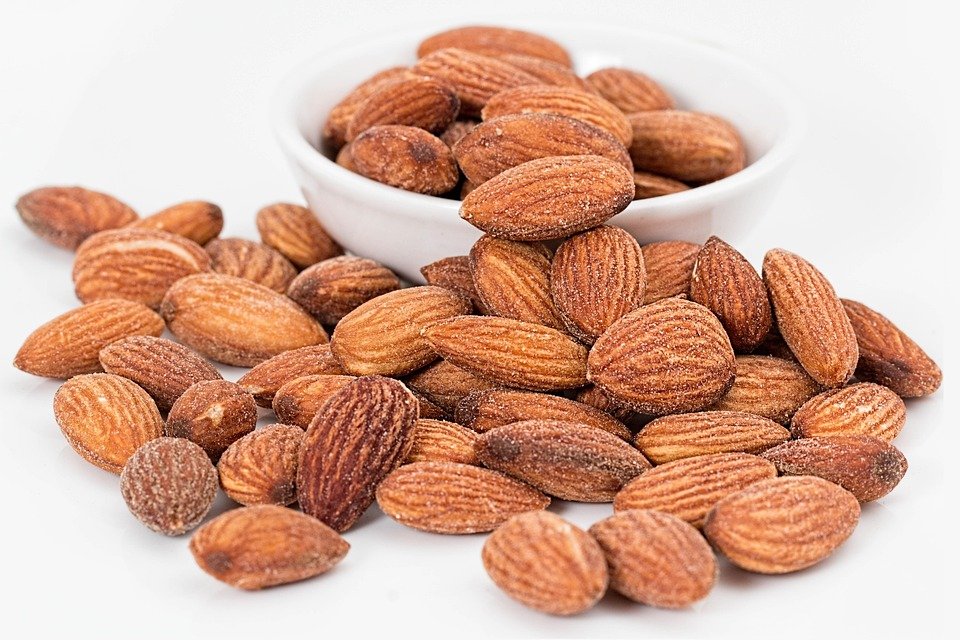
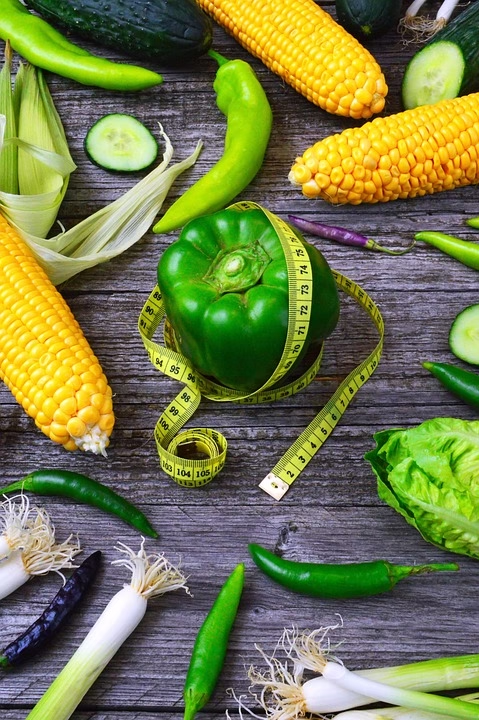
Achieving and maintaining a healthy weight can often be a trying journey, riddled with fad diets and quick fixes that ultimately prove unsustainable. However, science offers several evidence-based strategies that can facilitate effective and long-lasting weight loss. Below are ten tips you can adopt to achieve your weight loss goals sustainably.
Thank you for reading this post, don't forget to subscribe!1. Focus on Whole Foods
Research shows that whole foods—such as fruits, vegetables, whole grains, lean proteins, and healthy fats—are more satiating than processed options, which often contain added sugars and unhealthy fats. Incorporating more whole foods into your diet can not only help you feel fuller for longer but also limit caloric intake.
2. Control Portion Sizes
Overeating can easily occur if portion sizes are not managed. Studies suggest that using smaller plates and serving utensils can trick your brain into thinking you have eaten more than you actually have, thus helping to control your caloric intake without feeling deprived.
3. Stay Hydrated
Drinking enough water is essential for overall health and can aid in weight loss. Research indicates that consuming water before meals can lead to a reduced calorie intake. Aim for at least eight glasses of water a day, and remember that this can include beverages like herbal teas or infused water.
4. Incorporate Regular Exercise
Both aerobic and strength-training exercises are crucial for weight loss and maintenance. Regular physical activity boosts your metabolism and helps build muscle, which burns more calories at rest. Aim for at least 150 minutes of moderate aerobic exercise per week, alongside two days of strength training.
5. Prioritize Protein
Including protein in your diet can promote satiety and help maintain muscle mass while losing weight. A study published in the American Journal of Clinical Nutrition found that higher protein intake increased feelings of fullness and reduced hunger. Incorporate sources like chicken, fish, legumes, and tofu into your meals.
6. Get Adequate Sleep
Sleep is often overlooked in discussions of weight management, but it’s just as critical to success. Insufficient sleep can contribute to hormonal imbalances that lead to weight gain. Strive for 7–9 hours of quality sleep each night to support your metabolism and promote weight loss.
7. Manage Stress Levels
High stress can lead to emotional eating and weight gain. Cortisol, the stress hormone, can stimulate appetite. Techniques such as mindfulness, yoga, or even just taking time for hobbies can help reduce stress levels and support effective weight management.
8. Set Realistic Goals
Quick fixes often set you up for failure, as they can be overly ambitious. Instead, set small, achievable goals. According to the American Psychological Association, individuals who set realistic, specific goals are more likely to succeed in long-term weight management.
9. Keep a Food Diary
Developing a food diary can increase awareness of eating patterns and help you identify areas for improvement. Research suggests that self-monitoring foods can significantly correlate with weight loss success. Use apps or simple journals to keep track of your daily caloric intake and feelings of hunger.
10. Seek Support
Having a support system can significantly influence your weight loss journey. Engage family and friends or join a group that shares your goals. Studies have shown that social support can lead to better adherence to diet and exercise programs, resulting in more significant weight loss.
Conclusion
Sustainable weight loss is a multifaceted endeavor that requires commitment, patience, and a willingness to make lasting changes. Incorporating these ten science-backed tips into your lifestyle can improve not only your chances of achieving a healthy weight but also your overall well-being. Remember, the goal is not just to lose weight but to maintain a healthy lifestyle that you can sustain for years to come.
FAQs
Q1: How fast should I aim to lose weight?
A: A sustainable weight loss rate is typically 1-2 pounds per week. This allows your body to adjust and is more likely to be maintained long-term.
Q2: Can I lose weight without exercising?
A: While exercise supports weight loss and is crucial for overall health, you can lose weight by focusing on diet and caloric intake alone. However, exercise offers numerous other health benefits and helps maintain muscle mass.
Q3: Are low-carb diets effective for weight loss?
A: Low-carb diets can be effective for some individuals, often leading to quick weight loss. However, the key to sustainable weight loss is finding a balance that works for you and can be maintained over time.
Q4: What should I do if I hit a weight loss plateau?
A: Plateaus are normal. Consider reassessing your caloric intake, altering your exercise routine, or seeking advice from a dietitian or healthcare provider for personalized strategies.
Q5: Is it necessary to track calories to lose weight?
A: While tracking calories can help some individuals, it’s not essential for everyone. Focus on portion control and whole foods if tracking feels cumbersome or stressful.