
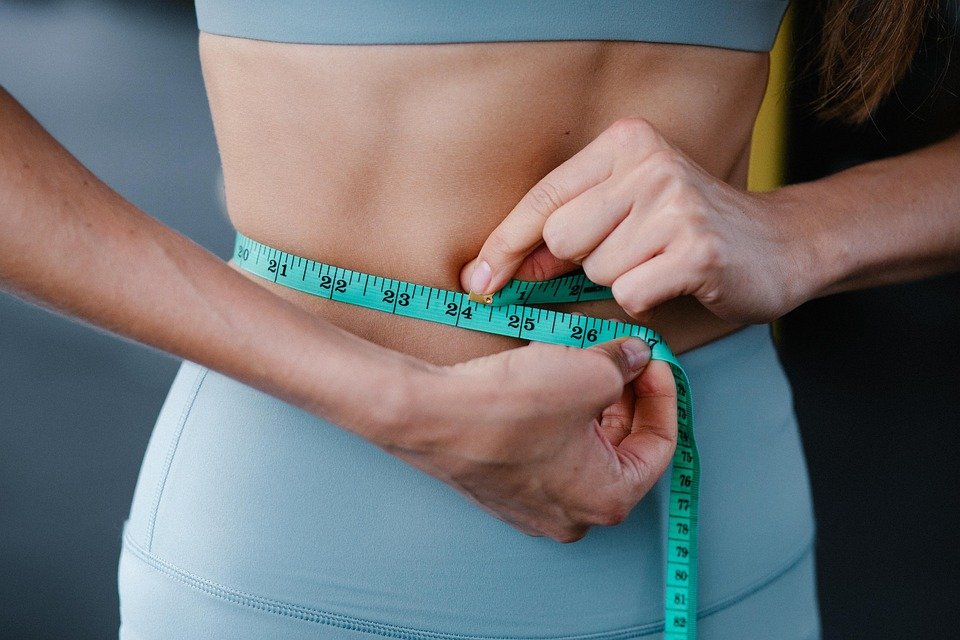
In the pursuit of fitness, women often face numerous challenges, ranging from societal pressures to misinformation about diet and exercise. The goal of achieving a dream body shouldn’t be about conformity; it’s about health, strength, and confidence. This article outlines the ultimate fat loss diet plan specifically designed for women, focusing on sustainable practices that work.
Thank you for reading this post, don't forget to subscribe!Understanding the Basics of Fat Loss
Fat loss occurs when the energy expended exceeds the energy consumed. To effectively shed unwanted pounds and sculpt your body, it’s essential to grasp how metabolism works, what macronutrients are beneficial, and the impact of various foods on hormones.
The Role of Macronutrients
Macronutrients are nutrients that provide calories or energy. They are essential for growth and metabolism. The three main macronutrients are:
- Proteins: Important for muscle repair, proteins can also help in weight loss due to their satiating properties.
- Carbohydrates: The body’s primary energy source, but the type and timing of carbohydrates can affect fat loss.
- Fats: Essential for hormone production and nutrient absorption, healthy fats can help you feel full.
Caloric Deficit: The Fundamental Principle
Creating a caloric deficit means consuming fewer calories than your body burns. This can be achieved through a combination of dietary changes and increased physical activity. Women generally require fewer calories than men, making portion control crucial.
Building Your Ultimate Fat Loss Diet Plan
The following steps outline how to develop a successful fat loss diet plan:
1. Calculate Your Caloric Needs
Use online calculators to determine your Basal Metabolic Rate (BMR) and Total Daily Energy Expenditure (TDEE). The BMR estimates the number of calories your body requires at rest, while the TDEE adds the calories burned through daily activities.
2. Choose Nutrient-Dense Foods
Opt for foods high in nutrients but lower in calories. Here are some options:
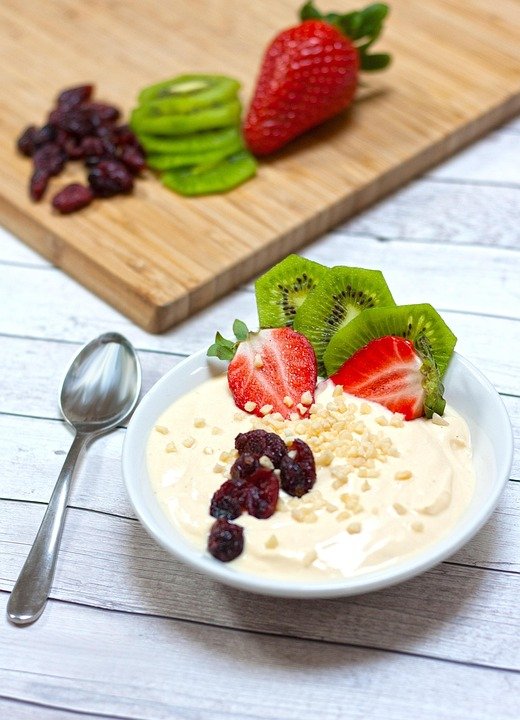
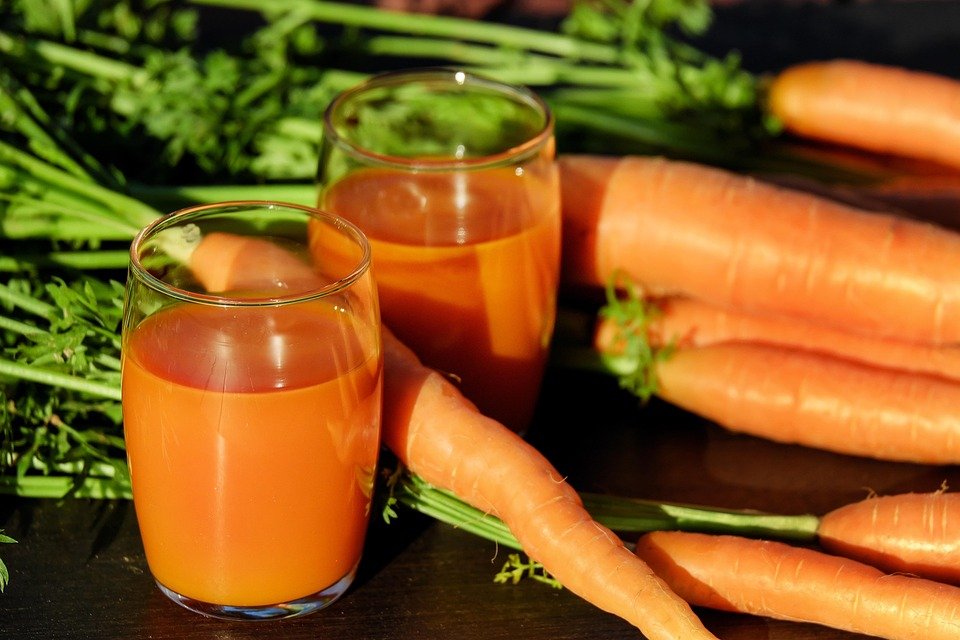
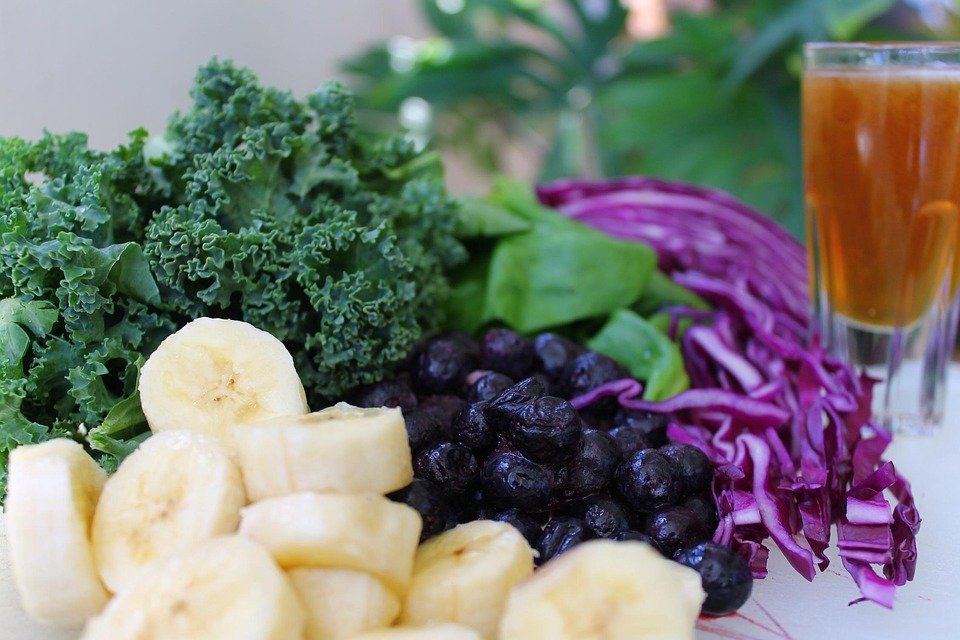
- Fruits and vegetables: Rich in vitamins, minerals, and fiber.
- Lean proteins: Chicken, turkey, fish, tofu, and legumes.
- Whole grains: Brown rice, quinoa, and whole-wheat pasta.
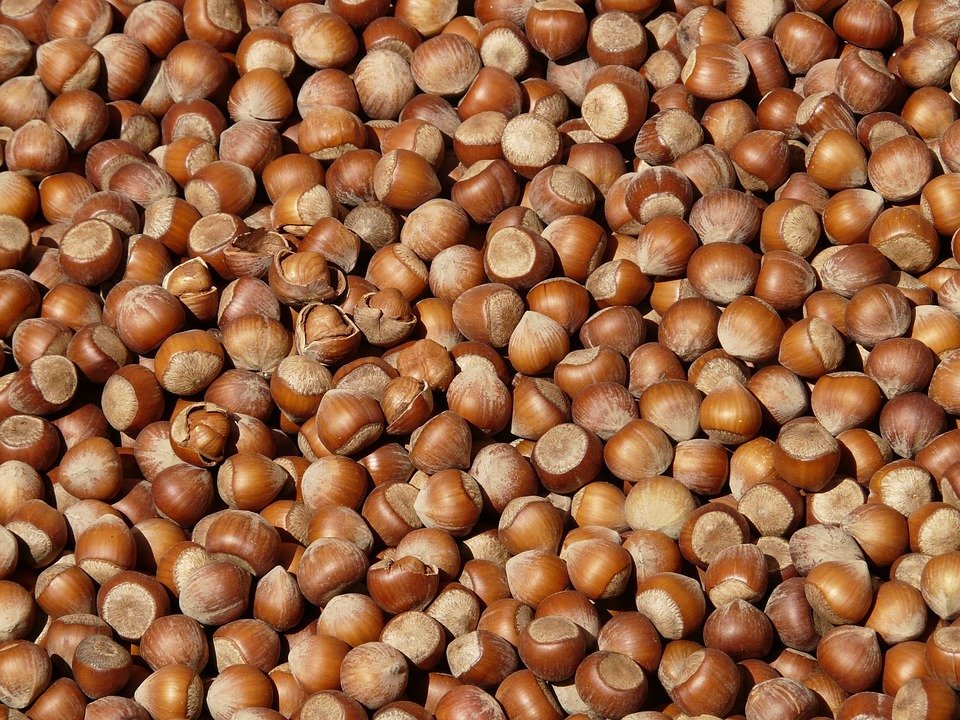
- Healthy fats: Avocado, nuts, seeds, and olive oil.
3. Plan Your Meals Wisely
Meal planning can save time and avoid unhealthy choices. Prepare meals in advance, focusing on balanced portions of macronutrients. Aim for three main meals and two snacks daily, balancing proteins, carbs, and fats.
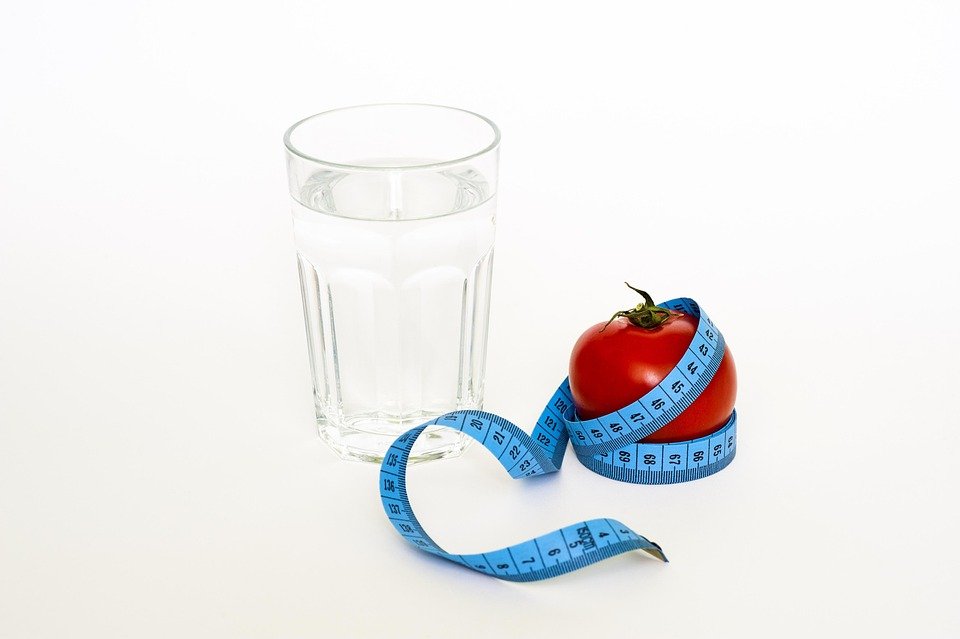
4. Stay Hydrated
Drinking water not only keeps you hydrated but can also help control appetite. Aim for at least 8-10 glasses of water daily and more if you are active.
5. Monitor Portion Sizes
Be mindful of portion sizes to maintain your caloric deficit. Tools like measuring cups and food scales can be helpful in the beginning until you get used to estimating portions.
Incorporating Exercise for Greater Fat Loss
While diet plays a critical role in fat loss, exercise is equally important.
Type of Exercises
- Cardio: Burns calories and improves heart health.
- Strength Training: Builds muscle, increases metabolism, and helps sculpt your body.
- Flexibility and Balance: Activities like yoga can enhance recovery and mindfulness.
Maintaining Your Progress
Fat loss is not just about losing weight; it’s about sustainability. To maintain your progress, incorporate the following practices:
- Regularly reassess your goals and diet.
- Keep a food diary to track your intake and make adjustments as needed.
- Stay active, even after reaching your fat loss goal.
Conclusion
Sculpting your dream body is not an overnight journey; it requires commitment and the right tools. A personalized fat loss diet plan that focuses on nutrient-dense foods, portion control, and regular physical activity can set you on the path to success. Remember, the aim is to achieve a healthy balance that supports not only your weight loss goals but also your overall well-being.
FAQs
1. How quickly can I expect to see results?
2. Is it necessary to count calories?
3. Can I lose weight without exercising?
4. Should I follow a specific diet plan like keto or paleo?