







Weight loss is a journey that many embark on; however, achieving lasting results requires a combination of healthy eating, regular exercise, and a positive mindset. The goal of this article is to provide an ultimate weight loss diet plan that will not only help you shed pounds but also improve your overall well-being.
Thank you for reading this post, don't forget to subscribe!Understanding Weight Loss Basics
Before diving into a weight loss diet plan, it’s crucial to understand how weight loss works. At its core, weight loss occurs when you burn more calories than you consume. This concept, known as the caloric deficit, is fundamental for any successful weight loss endeavor.
Besides calories, the quality of your food choices significantly impacts your health. Whole foods, such as fruits, vegetables, lean proteins, and whole grains, are much more beneficial than processed foods high in sugars and unhealthy fats.
Setting Realistic Goals
Setting realistic weight loss goals is essential. According to health experts, aiming for a weight loss of 1 to 2 pounds per week is safe and sustainable. Rather than focusing solely on the scale, consider other positive changes in your health, such as increased energy levels, improved mood, and better sleep.
The Ultimate Weight Loss Diet Plan
Here’s a simple yet effective weight loss diet plan that combines all the nutrients your body needs while promoting fat loss:
1. Breakfast: Start Your Day Right
- High-Protein Options: Choose Greek yogurt, eggs, or oatmeal. These will keep you fuller for longer and help maintain muscle mass.
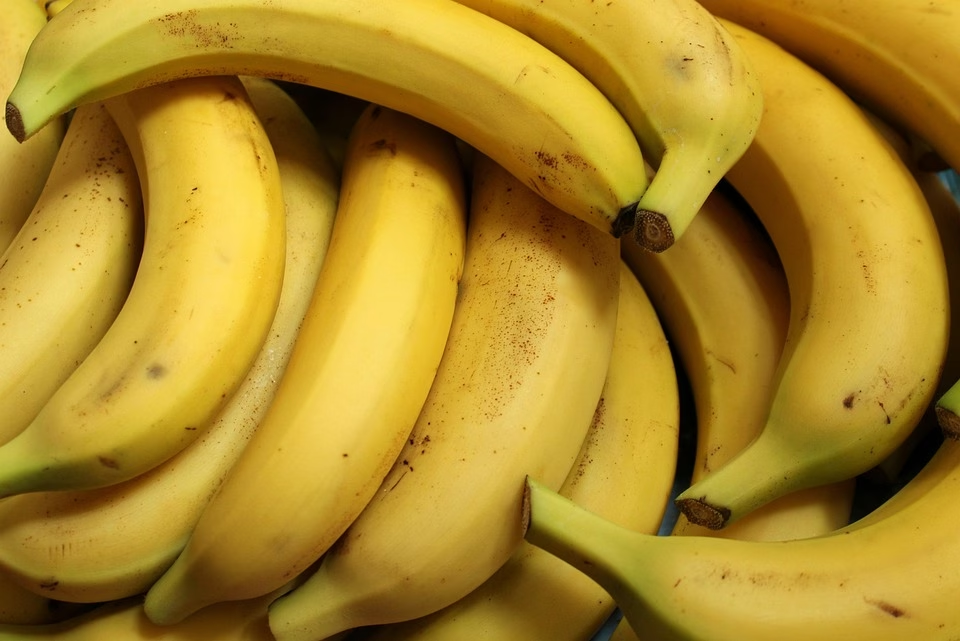
- Fruits and Vegetables: Add berries, bananas, or green smoothies rich in leafy greens to enhance the nutrient content.
2. Lunch: Balanced Meals
- Lean Proteins: Opt for grilled chicken, fish, or quinoa.
- Healthy Carbs: Incorporate whole grains like brown rice or whole grain bread along with plenty of vegetables.
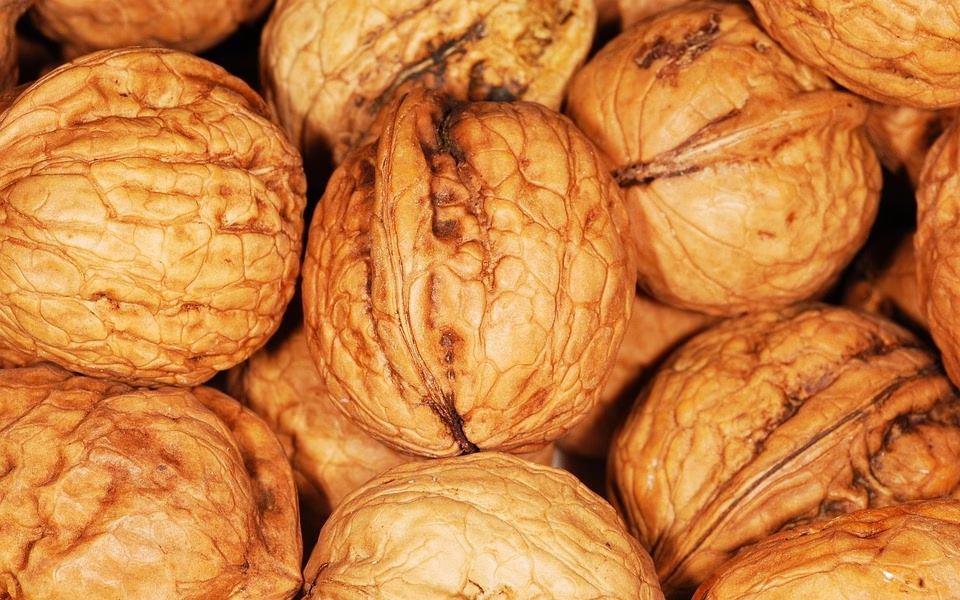
- Healthy Fats: Include avocado or nuts to keep your meals satisfying.
3. Snacks: Smart Choices
Snacking can be part of a healthy diet. Consider these options:
- Handful of nuts
- Sliced vegetables with hummus
- Fruit smoothies
4. Dinner: Lighter and Nutritious
- Light Proteins: Choices like fish, tofu, or legumes work well.
- Fiber-Rich Vegetables: Aim for a variety of colors, ensuring you get a diverse range of nutrients.
- Portion Control: Use smaller plates to help regulate meal sizes.
5. Stay Hydrated
Drinking water is crucial for weight loss. It aids digestion and can temporarily boost your metabolism. Aim to drink at least eight 8-ounce glasses of water a day, and increase this intake during exercise or hot weather.
Incorporating Physical Activity
While diet is a significant component of weight loss, regular exercise is equally important. Aim for at least 150 minutes of moderate-intensity aerobic activity each week, complemented by strength training exercises at least twice per week.
Activities such as walking, cycling, swimming, or fitness classes can make your journey enjoyable while burning calories.
The Role of Mindfulness
Mindful eating is all about being aware of what you are consuming and why. It involves tuning into your body’s hunger cues and appreciating the flavors and textures of your food. This practice can help prevent overeating and promote a healthier relationship with food.
Tracking Your Progress
Monitoring your weight loss journey can keep you motivated. Consider keeping a food diary or using apps to log your meals and activities. Regular check-ins can help you stay accountable and adjust your plan as needed.
Conclusion
Weight loss is a personal journey, and there is no one-size-fits-all solution. By adopting a balanced and nutritious diet, along with regular exercise and mindfulness practices, you can shed pounds the healthy way and cultivate lasting habits that improve your overall wellness. Remember, patience and persistence are key; celebrate small victories along the way to maintain motivation.
FAQs
1. How many calories should I consume per day to lose weight?
The amount of calories you need depends on factors like your age, sex, weight, height, and level of physical activity. Generally, a deficit of 500 to 1000 calories per day can lead to a safe weight loss of about 1 to 2 pounds per week.
2. Can I lose weight without exercising?
While diet plays a significant role in weight loss, combining a healthy diet with physical activity enhances your results and improves overall health. Even incorporating small amounts of movement can make a difference.
3. Are weight loss supplements effective?
Many weight loss supplements claim to promote fat loss, but their effectiveness varies. Always consult with a healthcare provider before starting any supplement, as they may have side effects or interact with medications.
4. What are some healthy snacks for weight loss?
Healthy snacks include fruits, vegetables with hummus, Greek yogurt, nuts, and whole-grain crackers. The key is to choose nutrient-dense options that promote satiety and energy.
5. How do I stay motivated on my weight loss journey?
Setting specific, measurable goals, keeping a journal, and finding social support can help maintain motivation. Consider rewarding yourself for reaching milestones with non-food-related treats.