










Weight loss is a journey many strive to embark on, and in the quest for solutions, countless methods are learned, tried, and ultimately abandoned. Understanding what really works can simplify your path to a healthier life. Here are ten proven weight loss methods that can help you achieve your goals.
Thank you for reading this post, don't forget to subscribe!1. Balanced Diet
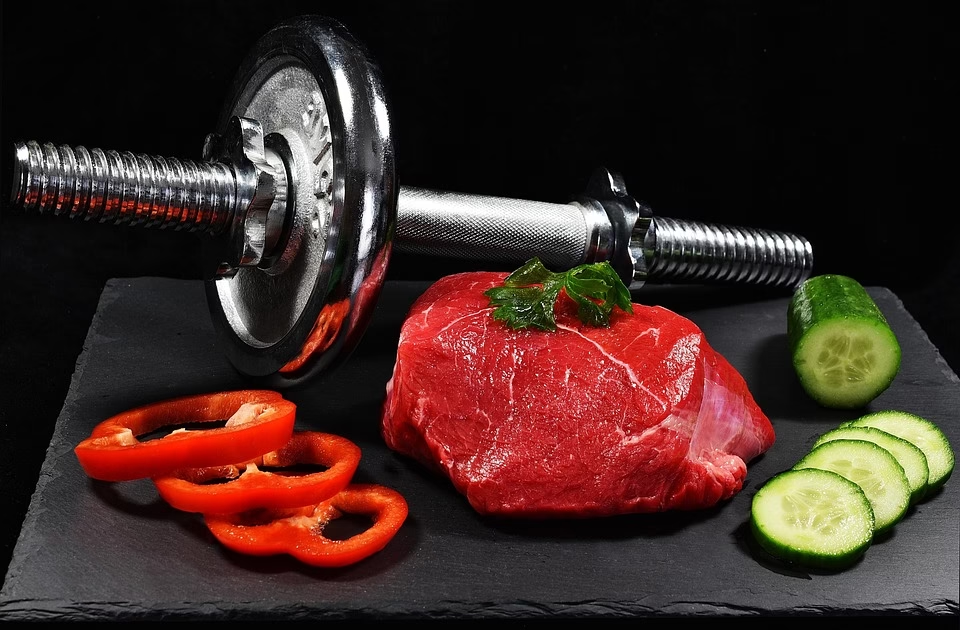
The foundation of weight loss is a balanced diet. Adopting a diet rich in fruits, vegetables, lean proteins, and whole grains can help reduce calorie intake while still providing essential nutrients. It’s important to focus on portion control and the quality of food rather than just calories.
2. Regular Physical Activity
Incorporating regular exercise into your routine not only burns calories but improves overall health. Aim for at least 150 minutes of moderate aerobic activity or 75 minutes of vigorous activity each week. Strength training is also crucial, helping to build muscle which boosts metabolism.
3. Hydration
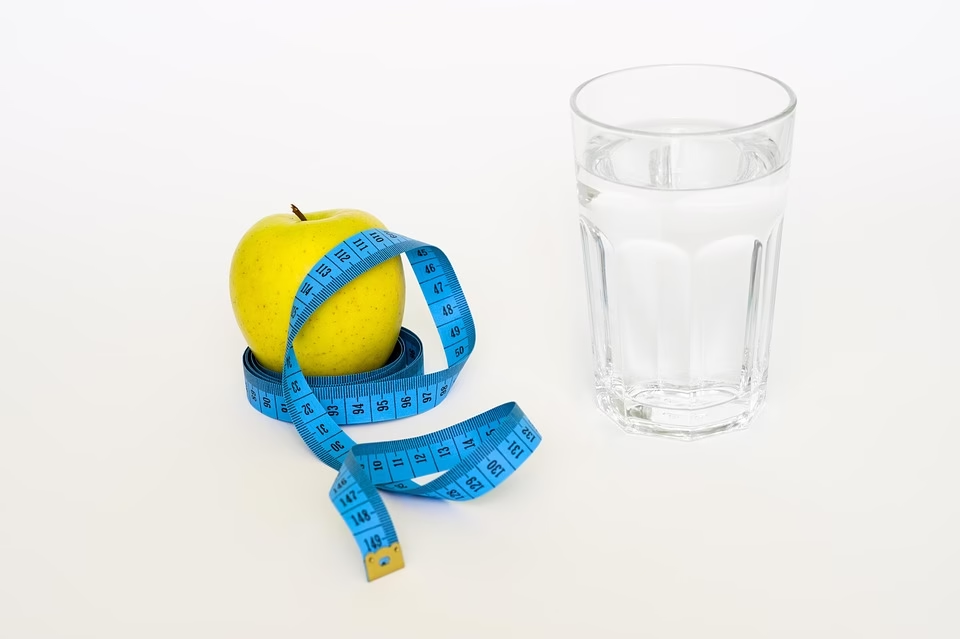
Drinking water can aid in weight loss. Sometimes, our bodies confuse thirst with hunger, leading to overeating. Staying hydrated not only helps you feel full but also aids digestion and metabolism. Aim to drink at least eight 8-ounce glasses of water a day.
4. Mindful Eating
Practicing mindful eating involves paying full attention to the experience of eating. This means focusing on the taste, texture, and aroma of your food and avoiding distractions such as TV or smartphones. This practice can help prevent overeating and create a healthier relationship with food.
5. Get Enough Sleep
Lack of sleep can hinder weight loss efforts by disrupting hormones that regulate hunger. Aim for 7-9 hours of sleep each night to support healthy weight management. A well-rested body is better equipped to handle stress and make healthier choices throughout the day.
6. Set Realistic Goals
Setting achievable goals is critical for long-term success. Instead of focusing on drastic weight loss, aim for a gradual loss of 1-2 pounds per week. This approach is more sustainable and will promote lasting lifestyle changes.
7. Reduce Sugar and Refined Carbs
Cutting back on sugar and refined carbohydrates can significantly aid weight loss. These types of foods can lead to hunger spikes and cravings, making it hard to stick to your diet. Focus on whole foods that provide fiber and nutrients, which help to keep you full.
8. Keep a Food Journal
Monitoring what you eat can raise awareness of your dietary habits. Keeping a food journal helps you track calorie intake, identify triggers for unhealthy eating, and stay accountable to your goals. It’s a great tool for anyone looking to lose weight.
9. Support System
Having a solid support system can make a world of difference in your weight loss journey. This can be friends, family, or even a professional support group. Sharing your goals and progress with others can provide encouragement and motivation when the going gets tough.
10. Consider Professional Help
If you find yourself struggling despite your efforts, it may be beneficial to consult with a healthcare provider or a registered dietitian. They can provide personalized advice and guidance tailored to your specific needs and challenges.
Conclusion
Achieving weight loss is a multifaceted journey that requires commitment, determination, and the right strategies. By focusing on a balanced diet, regular exercise, hydration, mindful eating, sleep, realistic goal setting, and seeking support, anyone can unlock the secrets to successful weight loss. Remember, what works for one person may be different for another, so it’s important to find what is effective for you and to treat yourself with kindness and patience throughout the process.
FAQs
1. How fast can I expect to lose weight using these methods?
The typical recommendation is to aim for 1-2 pounds per week for sustainable weight loss. Quick fixes are often not sustainable and can lead to regain.
2. Can I lose weight without exercising?
Yes, weight loss primarily depends on a calorie deficit, which can be achieved through dietary changes. However, exercise has numerous health benefits and can significantly enhance weight loss results.
3. Is it necessary to count calories for weight loss?
While counting calories can be an effective way to monitor intake, it is not essential for everyone. Focus on nutrient-dense foods and portion control if counting calories feels overwhelming.
4. What should I do if I hit a weight loss plateau?
Plateaus are common during weight loss. To overcome one, consider reassessing your calorie intake, mixing up your exercise routine, or consulting a professional for advice.
5. Can I lose weight while still enjoying my favorite foods?
Absolutely! Moderation is key. You can enjoy your favorite foods occasionally while still achieving weight loss through a balanced diet and active lifestyle.