







Transforming your body in just one week is an ambitious goal, but with the right strategies and commitment, you can kickstart your weight loss journey and lay the foundation for lasting change. Below, we’ll explore several effective weight loss strategies, encompassing diet, exercise, and lifestyle adjustments to help you achieve your goals.
Thank you for reading this post, don't forget to subscribe!1. Set Realistic Goals
The first step in any weight loss journey is setting realistic and achievable goals. Instead of aiming to lose a drastic amount of weight in a week, focus on setting a target of 1–2 pounds. This is a safe, sustainable, and realistic goal. Moreover, having a clear goal provides motivation throughout your week.
2. Create a Caloric Deficit
To lose weight, you need to consume fewer calories than your body burns. Here’s how to create a caloric deficit:
- Track Your Intake: Use a food diary or mobile app to monitor your daily caloric intake.
- Know Your Baseline: Determine your daily caloric needs using online calculators based on your age, gender, weight, height, and activity level.
- Reduce Intake: Cut 500–750 calories daily through dietary changes to achieve a healthy deficit.
3. Emphasize Whole Foods
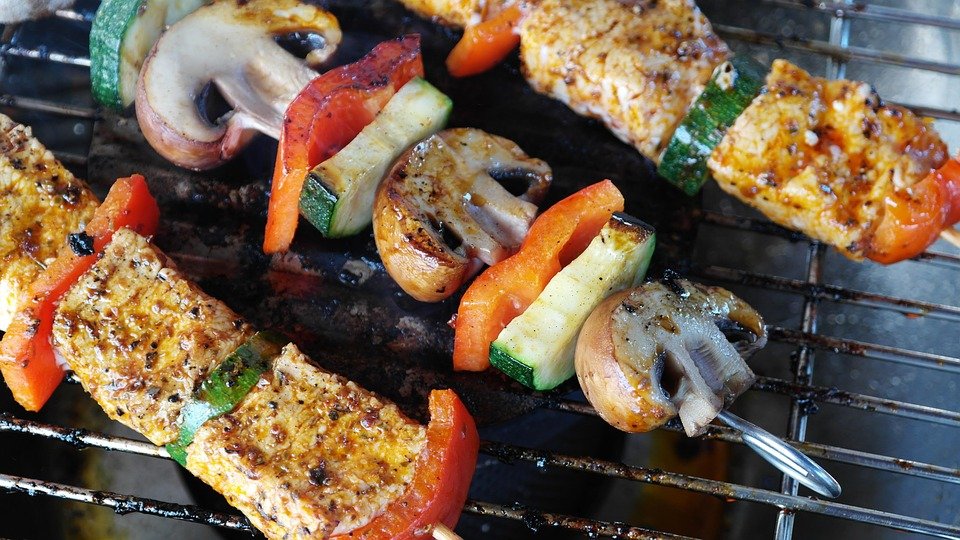
Prioritize whole, unprocessed foods in your diet. Foods rich in nutrients but low in calories are essential for weight loss. Consider incorporating:
- Fruits and Vegetables: High in fiber and low in calories.
- Whole Grains: Sources like brown rice, quinoa, and oats provide satiety.
- Lean Proteins: Chicken, turkey, legumes, and fish help build muscle and promote satiety.
- Healthy Fats: Avocados, nuts, and olive oil can be consumed in moderation.
4. Stay Hydrated
Drinking water is crucial for weight loss. It helps with appetite control, digestion, and metabolism. Aim for at least 8 glasses of water a day. Additionally, you can:
- Drink a glass of water before meals to help reduce your appetite.
- Choose water over sugary drinks and juices to eliminate excess calories.
5. Incorporate Physical Activity
Exercise not only burns calories, but it also promotes overall health. Aim for at least 150 minutes of moderate-intensity aerobic activity each week. Here are some tips:
- Interval Training: Alternating between high-intensity bursts and lower-intensity recovery can increase calorie expenditure.
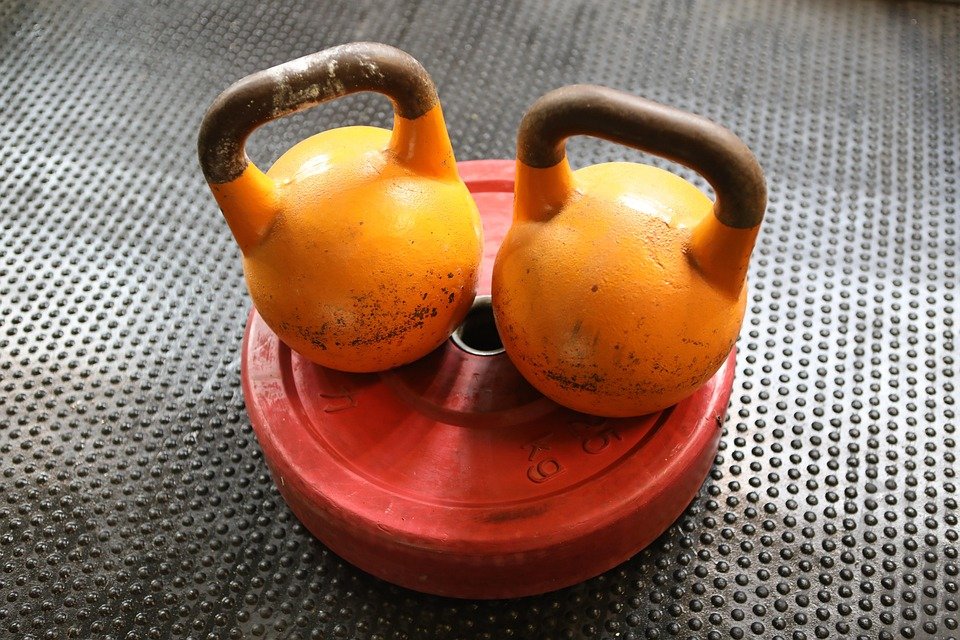
- Strength Training: Building muscle helps speed up your metabolism and can lead to greater calorie burn at rest.
- Daily Steps: Aim for at least 10,000 steps a day by incorporating walking into your routine.
6. Get Enough Sleep
Sleep plays a vital role in weight loss. Insufficient sleep can disrupt hormones responsible for appetite regulation, leading to increased hunger and weight gain. Aim for 7-9 hours of quality sleep each night. To improve your sleep:
- Establish a consistent bedtime routine.
- Create a comfortable sleep environment (dark and cool).
- Limit screen time before bed.
7. Manage Stress
High stress levels can lead to emotional eating and weight gain. Utilize stress management techniques such as:
- Meditation or mindfulness practices.
- Yoga or physical activity.
- Deep-breathing exercises.
8. Monitor Progress
Tracking your progress can help keep you motivated. Consider:
- Weighing yourself regularly but not obsessively (1-2 times a week).
- Taking progress photos to visually document change.
- Keeping a journal of your meals, workouts, and how you feel.
Conclusion
Transforming your body in just one week is certainly feasible with commitment and effective strategies. By setting realistic goals, focusing on a nutrient-dense diet, staying hydrated, being physically active, getting adequate sleep, and managing stress, you can kickstart your weight loss journey. Remember, lasting change takes time; this week is just the beginning of your path to a healthier lifestyle.
FAQs
Q1: Is it safe to lose weight quickly?
A1: Quick weight loss can be safe when done appropriately (1-2 pounds per week). However, extreme measures are often unsustainable and can lead to health issues.
Q2: What can I do to avoid weight regain after the week?
A2: Continue adopting healthy eating and exercise habits beyond the initial week. Focus on making lifestyle changes rather than temporary diets.
Q3: Can I drink alcohol during my weight loss journey?
A3: Alcohol can be high in empty calories. If consumed, do so in moderation and consider it within your overall caloric intake.
Q4: How can I stay motivated?
A4: Surround yourself with supportive individuals, set short-term milestones, and reward yourself for achieving goals (without food rewards).
Q5: Should I consult a physician before starting a weight loss program?
A5: Yes, especially if you have existing health conditions or concerns. A healthcare professional can provide personalized advice based on your health status.