










Sustainable weight loss isn’t about quick fixes or fad diets; it’s a lifestyle change that embraces healthy habits for the long term. This guide outlines practical strategies to help you shed those extra pounds while improving your overall well-being. Let’s embark on this transformative journey together!
Thank you for reading this post, don't forget to subscribe!Understanding Sustainable Weight Loss
Sustainable weight loss refers to achieving a comfortable weight over time while maintaining it without resorting to extreme measures. It involves a balanced approach that includes both diet and exercise, fostering not just weight loss, but also a healthier lifestyle. Here are the core components of sustainable weight loss.
1. Balanced Nutrition
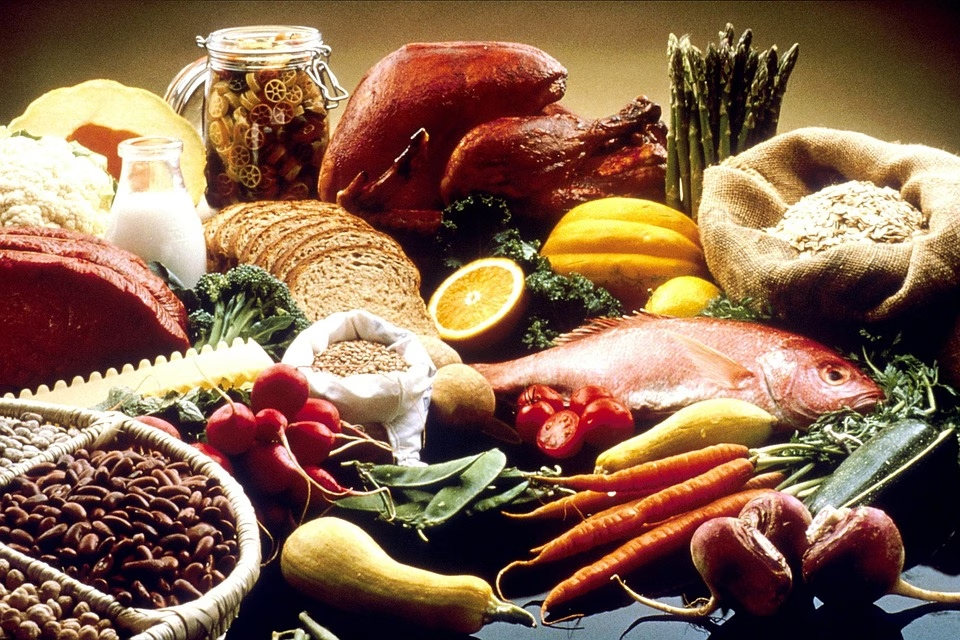
A balanced diet is a cornerstone of sustainable weight loss. Instead of focusing on drastic calorie reductions, aim for a diet rich in whole foods. This includes:
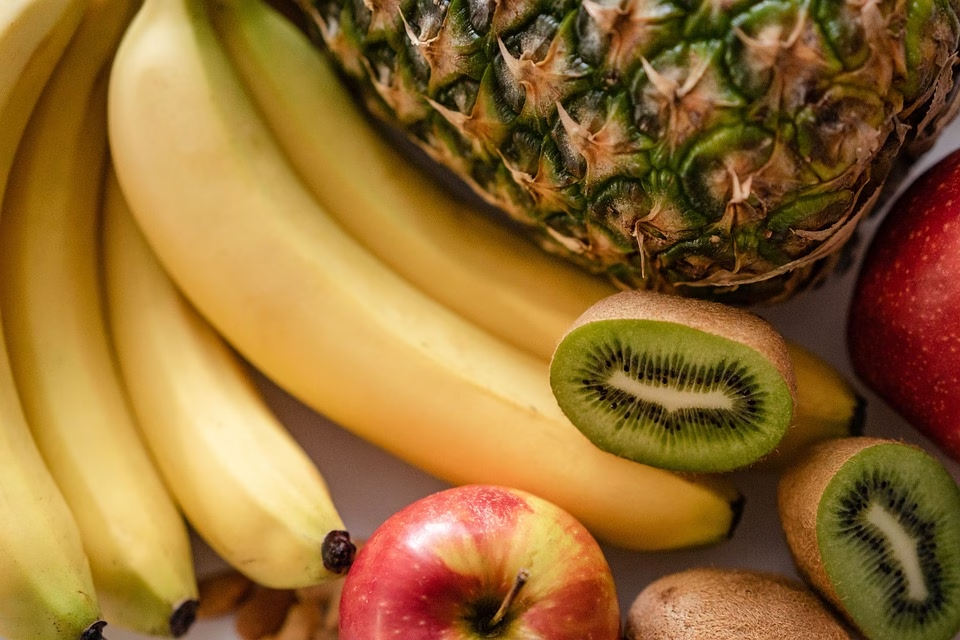
- Fruits and Vegetables: Packed with vitamins, minerals, and fiber, they help you feel full while providing low-calorie options.
- Whole Grains: Foods like brown rice, quinoa, and whole grain bread offer sustained energy and help regulate blood sugar.
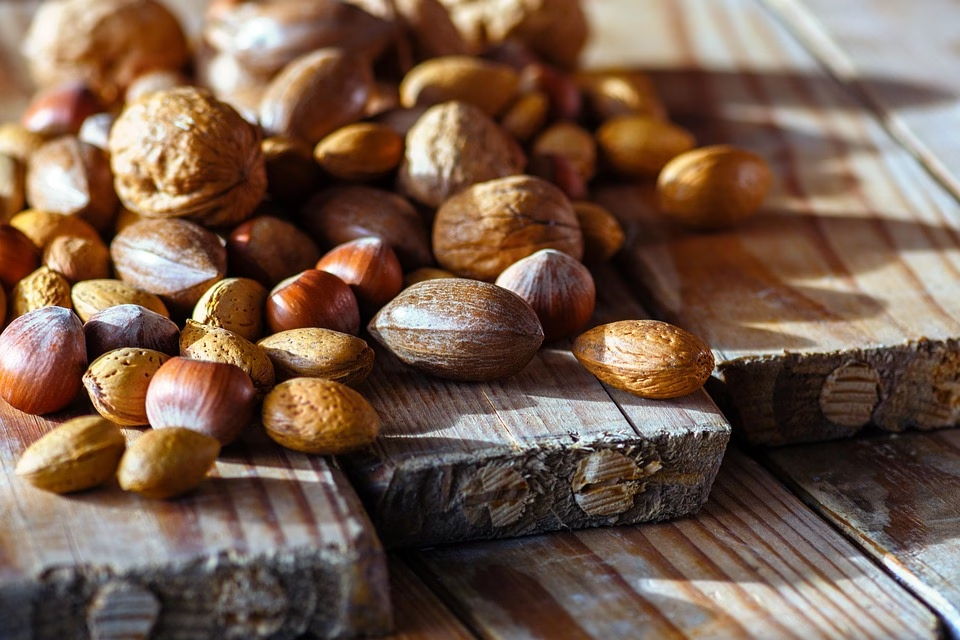
- Lean Proteins: Incorporate sources such as chicken, turkey, fish, legumes, and nuts for muscle recovery and satiety.
- Healthy Fats: Avocados, olive oil, and nuts are essential for hormone function and maintaining energy levels.
2. Regular Physical Activity
Integrating regular exercise into your routine not only burns calories but also improves mood and enhances metabolic rate. Aim for a mix of:
- Aerobic Exercises: Walking, cycling, swimming, and jogging boost cardiovascular health.
- Strength Training: Building muscle helps burn more calories at rest, leading to a healthier metabolism.
- Flexibility and Balance: Incorporate yoga or stretching to maintain mobility and prevent injuries.
3. Mindful Eating
Mindful eating encourages you to focus on your food and enjoy each bite. This practice helps you recognize hunger and fullness cues, leading to better portion control. Here are some tips:
- Eat slowly and without distractions.
- Pay attention to the flavors and textures of your food.
- Listen to your body regarding hunger and fullness.
4. Set Realistic Goals
Set achievable weight loss goals that inspire long-term changes. Aim for losing 1-2 pounds per week, which is considered safe and sustainable. Document your progress and celebrate small victories along the way.
Creating a Personalized Action Plan
Establish an actionable plan to help you stay on track. Consider the following:
1. Track Your Food Intake
Use a journal or apps to record what you eat. This not only helps you become more aware of your eating habits but also identifies areas for improvement.
2. Schedule Your Workouts
Make exercise a non-negotiable part of your day. Schedule workouts just like appointments to foster consistency.
3. Find Support
Consider joining a group or finding a workout buddy for motivation. Share your goals with family and friends who can help you stay accountable.
Managing Setbacks
Weight loss journeys are rarely linear. Setbacks are normal, and how you respond to them is crucial. Instead of losing motivation:
- Reflect on what triggered the setback.
- Revisit your goals and adjust if necessary.
- Reframe setbacks as learning opportunities to enhance your journey.
Embracing a Healthy Lifestyle
Finally, remember that sustainable weight loss is not solely about numbers on a scale. It’s about developing a healthy relationship with food and a lifestyle that enhances your quality of life. Focus on making choices that nourish your body and mind.
Conclusion
In conclusion, sustainable weight loss is a lifelong commitment to your health and wellness. By adopting balanced nutrition, engaging in regular physical activity, practicing mindful eating, setting realistic goals, and creating a personalized action plan, you can successfully navigate your weight loss journey. Remember, it’s not just about losing weight; it’s about gaining a healthier, happier you!
Frequently Asked Questions (FAQs)
1. How long does it take to see results with sustainable weight loss?
Results can vary based on individual circumstances, but generally, you may start seeing changes within a few weeks with consistent effort.
2. Can I still enjoy treats while losing weight?
Absolutely! Moderation is key. Allowing occasional treats can help you maintain your plan without feeling deprived.
3. What should I do if I hit a weight loss plateau?
Reassess your diet and exercise routines. Adding variety or adjusting calorie intake can often help overcome plateaus.
4. Is it necessary to count calories?
While some people find calorie counting helpful, it’s not essential. Focus on portion control and quality of food instead.
5. Should I consult a professional for my weight loss journey?
Consulting a registered dietitian or a health professional can provide personalized guidance and support tailored to your specific needs.