






In the fast-paced world we live in, many of us gravitate towards quick fixes, especially when it comes to weight loss. Fad diets, extreme calorie restrictions, and high-intensity workout plans promise instant results, and it’s easy to see why they attract so many adherents. However, these quick fixes often lead to temporary results and sometimes can even be detrimental to our health. This article explores why the age-old adage “slow and steady wins the race” holds true in the context of weight loss through a holistic and sustainable approach.
Thank you for reading this post, don't forget to subscribe!The Philosophy of Slow Weight Loss
The idea of losing weight gradually stems from a fundamental understanding of human physiology and psychology. When we embark on a weight loss journey, our body undergoes a series of adaptations. Sudden caloric cuts or drastic changes to lifestyle can shock the system. This can lead to muscle loss, nutritional deficiencies, and metabolic slowdown, which ultimately jeopardizes long-term success.
Understanding Rate of Weight Loss
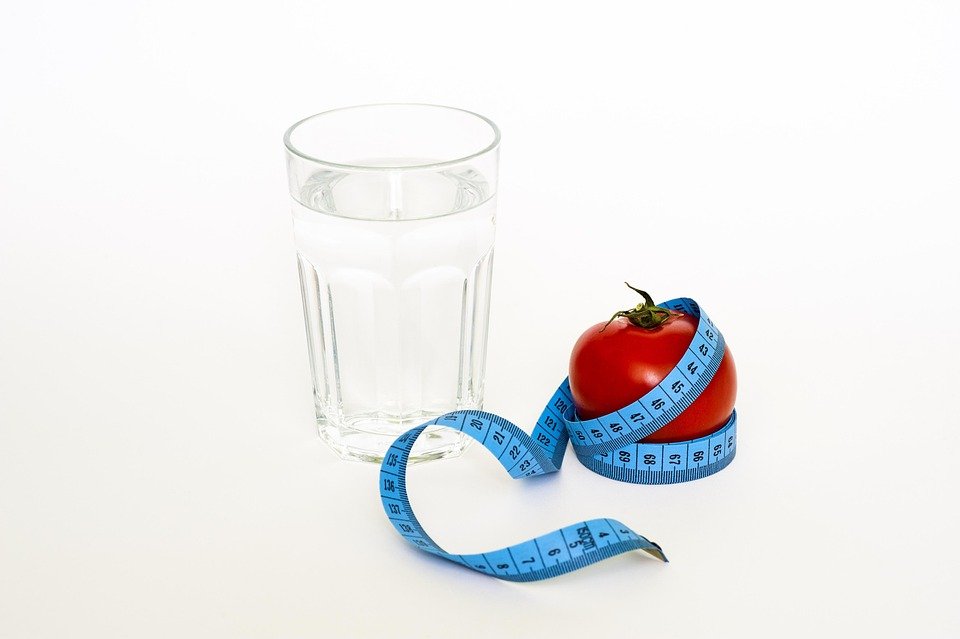
Health professionals typically recommend a weight loss of about 1 to 2 pounds per week as a sustainable target. This gradual loss allows the body to adjust naturally and encourages the retention of lean muscle tissue. Rapid weight loss can easily translate into rebound weight gain, leading to a cycle of yo-yo dieting that proves counterproductive and frustrating.
Benefits of Losing Weight Slowly
- Better Retention of Muscle Mass: Quick weight loss often means losing muscle along with fat. A slow approach prioritizes muscle preservation through better nutritional practices.
- Improved Metabolism: Losing weight gradually helps maintain metabolic rate and enhances the efficiency of calories burned.
- Enhanced Psychological Resilience: Slow and steady weight loss fosters sustainable habits and fosters a healthier relationship with food and body image. It allows individuals to adjust mentally and emotionally, making the journey more enjoyable and less stressful.
- Long-term Success: Studies show that those who lose weight slowly are more likely to maintain their weight loss long-term, focusing on lifestyle changes rather than temporary fixes.
Strategies for Slow and Sustainable Weight Loss
To embrace a slow and steady approach to weight loss, it’s essential to adopt strategies that promote healthier habits. Here are some practical tips:
1. Set Realistic Goals
Rather than aiming to fit into a specific dress size or weigh a particular number, focus on improving your overall health and fitness levels. This could include goals like nutrition education, exercise consistency, or even stress reduction.
2. Focus on Whole Foods
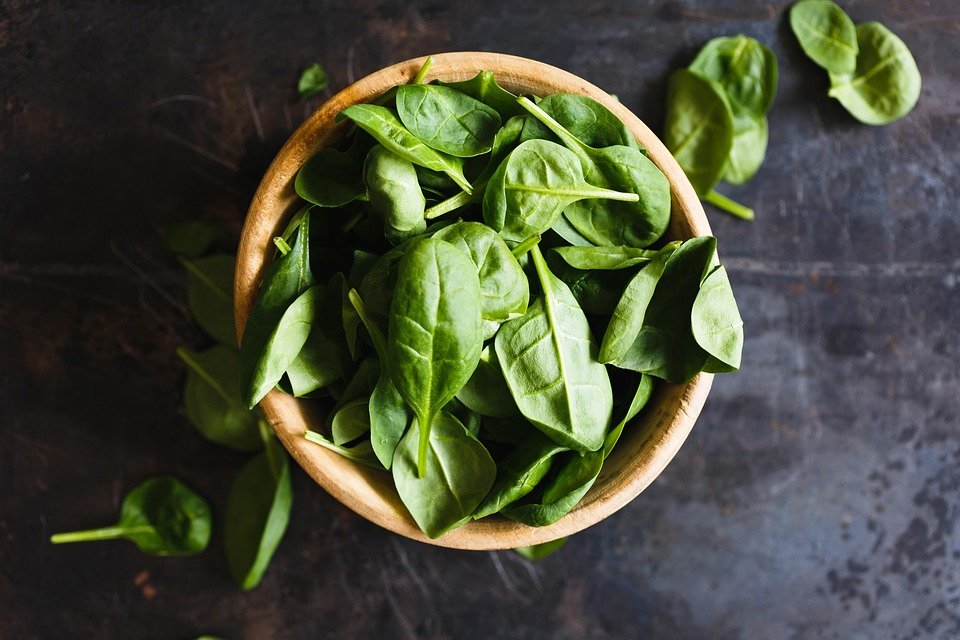
Incorporate more vegetables, fruits, lean proteins, whole grains, and healthy fats into your diet. Whole foods are nutrient-dense and can help keep you full longer, making it easier to manage portions.
3. Keep a Food Journal
Tracking what you eat can provide insight into your eating habits and help you recognize patterns that may need adjustment. This self-awareness is crucial for making mindful decisions.
4. Exercise Regularly
Find physical activities you genuinely enjoy. Aim for a mix of cardiovascular exercises, strength training, and flexibility movements. With consistency, these activities can lead to gradual weight loss and a host of other health benefits.
5. Embrace Mindfulness
Mindfulness in eating can play a significant role in weight loss. Focus on eating slowly, savoring each bite, and listening to your hunger and fullness cues. This practice can help you develop a better relationship with food.
6. Get Support
Engaging to work with a registered dietitian or joining a weight loss group can provide motivation and accountability. Sharing your journey with others can lighten the burden of change and reinforce positive habits.
Challenges of Slow Weight Loss
While the slow and steady approach has numerous advantages, it’s important to recognize some potential challenges:
- Plateaus: As you lose weight, you might experience periods where the scale doesn’t budge. This is normal and can be an opportunity to reassess your approach.
- Social Pressures: Fast and significant transformations are often celebrated in media and social circles, making it easy to compare your journey unfavorably.
Conclusion
The tortoise’s triumph teaches us an important lesson in many aspects of life, and weight loss is no exception. Taking the slow and steady approach not only fosters a healthier relationship with food and body but ensures that changes are sustainable in the long run. By setting realistic goals, focusing on whole foods, engaging in enjoyable activity, and prioritizing mindfulness, anyone can achieve lasting weight loss success. Remember, it’s the journey, not just the destination, that shapes our health and well-being.
FAQs
1. Is slow weight loss really effective?
Yes! Research consistently shows that slow and steady weight loss is more sustainable over the long term, minimizing the risk of fad dieting and yo-yo effects.
2. How long should my weight loss journey be?
Everyone’s journey is different. Aiming for 1-2 pounds per week is generally considered a healthy target, but always consider personal health and circumstances.
3. Can I eat my favorite foods while losing weight?
Absolutely! It’s important to incorporate your favorite foods moderately. A balanced approach where you can enjoy treats can help prevent feelings of deprivation.
4. What if I hit a weight loss plateau?
Plateaus are common during weight loss. Use this time to reassess your diet and exercise routines. Sometimes minor adjustments can help you move past it.
5. Do I need to exercise to lose weight?
While exercise is beneficial for overall health and helps accelerate weight loss, diet plays a significant role too. A good combination of both is ideal for optimal results.