










In our society, weight loss is often viewed as a puzzle with missing pieces. The quest for a slimmer figure can lead to various diets, fitness programs, and weight-loss supplements, some of which may not provide the desired results. To truly grasp the complexities of losing weight, it’s essential to explore the science behind body weight, metabolism, and the strategies that can lead to effective weight loss.
Thank you for reading this post, don't forget to subscribe!Understanding Body Weight
Your body weight is a delicate balance, coming from the relationship between calories consumed and calories expended. The basic principle of weight loss lies in the caloric deficit, which occurs when you burn more calories than you consume. However, this relationship is influenced by numerous factors, including age, sex, genetics, and activity level.
Metabolism: The Energy Converter
Metabolism refers to the biochemical processes by which your body converts food into energy. This process can be divided into two key components:
- Basal Metabolic Rate (BMR): This is the number of calories your body needs to maintain basic physiological functions while at rest, such as breathing, circulating blood, and cell production.
- Activity Level: The calories burned through physical activities, including exercise, walking, and any other movement.
Your BMR can be significantly influenced by factors like age (BMR generally decreases with age), muscle mass (more muscle requires more energy), and hormonal levels (hormones like thyroid hormones play a critical role).
The Role of Diet in Weight Loss
The foods you consume play a pivotal role in shaping your body’s weight and overall health. Here are a few important points to consider:
- Caloric Content: Foods differ in their caloric densities. Foods high in sugars and fats tend to be more calorie-dense, making it easier to exceed your caloric intake.
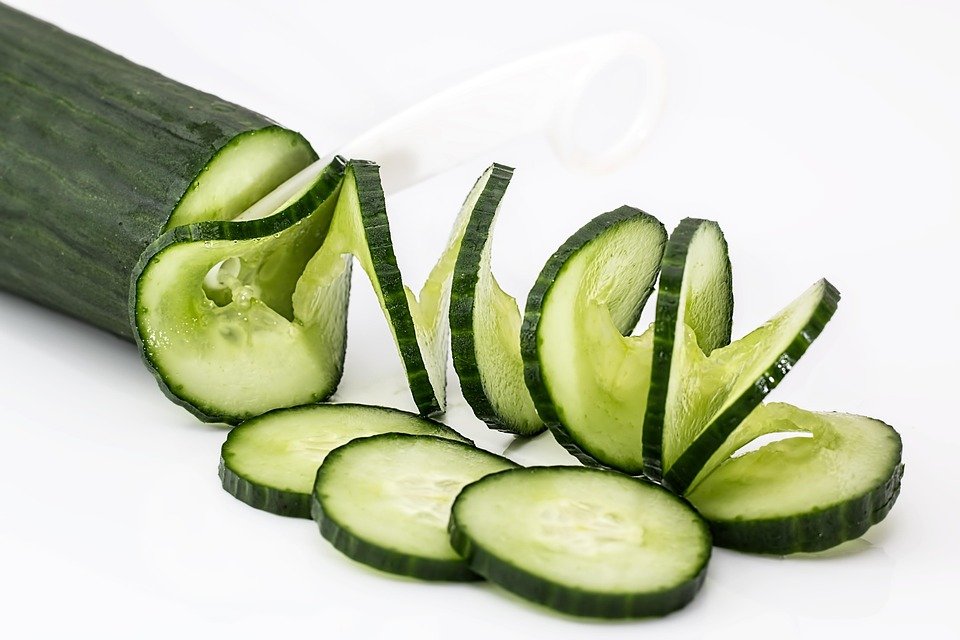
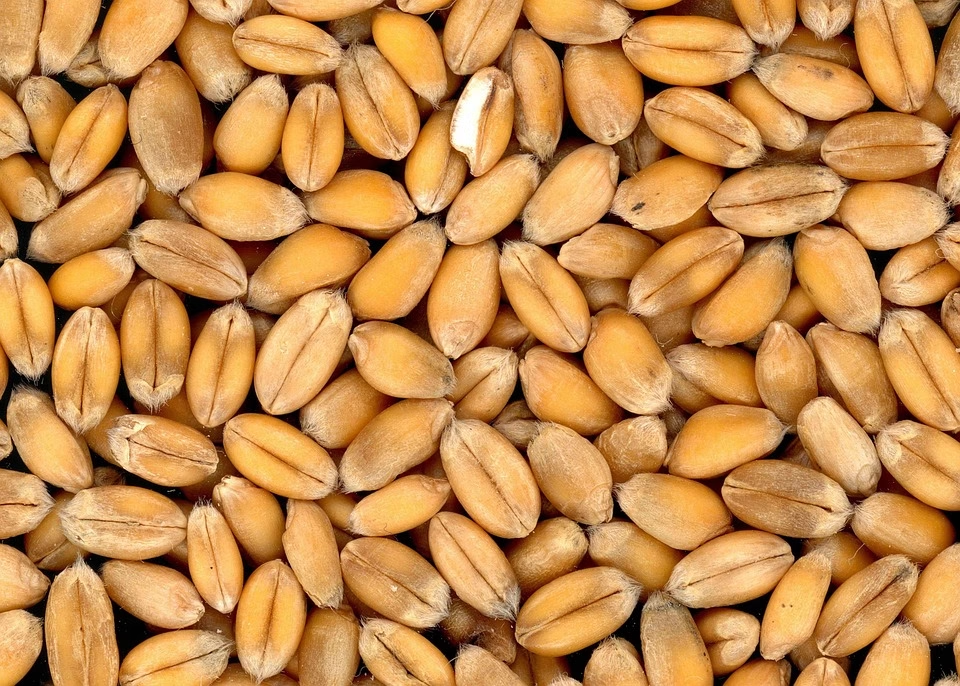
- Nutrient Quality: A diet rich in whole foods such as fruits, vegetables, lean proteins, and whole grains can provide essential nutrients while maintaining a lower caloric density.
- Portion Control: Awareness of portion sizes can help prevent unintentional overeating, making it easier to stay within caloric goals.
Physical Activity and Weight Loss
Regular physical activity is critical in any weight-loss strategy. Exercise not only burns calories but also helps build and maintain muscle mass, which can enhance your BMR. The different types of physical activities include:
- Aerobic Exercise: Activities like running, swimming, or cycling that increase your heart rate and burn calories.
- Strength Training: Lifting weights or bodyweight exercises that build muscle, contributing to increased BMR.
- Flexibility and Balance: Activities like yoga and Pilates improve overall fitness and can help prevent injuries.
Behavioral and Psychological Factors
Weight loss is not purely a physical challenge; it often has behavioral and psychological dimensions. Here are some factors to consider:
- Mindful Eating: Paying attention to what and when you eat can help reduce binge eating triggered by emotions.
- Setting Realistic Goals: Goals should focus on sustainable changes rather than quick fixes to avoid disappointment and burnout.
- Support Systems: Engaging with friends, family, or professionals who understand your journey can provide both motivation and accountability.
Conclusion
Understanding the science of weight loss illuminates the complexity of shedding pounds effectively and sustainably. It is not a linear journey; instead, it encompasses a balance between dietary habits, physical activity, and psychological wellness. By recognizing how your body functions, designing a balanced diet, engaging in regular exercise, and maintaining a positive mindset, you can set yourself on the path to achieving your weight loss goals. Remember, the journey toward weight loss is as important as the destination itself, and cultivating healthy habits should be your ultimate aim.
FAQs
Q1: How many calories should I consume to lose weight?
A1: The caloric needs vary from person to person, but a common approach is to create a caloric deficit of 500-1000 calories per day to lose about 1-2 pounds per week. Consult with a healthcare provider for personalized recommendations.
Q2: Is it better to focus on diet or exercise for weight loss?
A2: Both diet and exercise play vital roles in weight loss. A balanced approach that incorporates a healthy diet and regular physical activity tends to be the most effective and sustainable method.
Q3: Are there any weight loss supplements that work?
A3: Some weight loss supplements may help, but they often work best in conjunction with a healthy diet and exercise. Always consult a healthcare professional before starting any supplement regimen.
Q4: How can I prevent weight regain after losing pounds?
A4: Maintaining your weight loss can be achieved through consistent healthy eating, regular physical activity, and ongoing support from friends, family, or a professional.