









Embarking on a weight loss journey can often feel overwhelming. With a multitude of diet plans, exercise routines, and weight loss supplements flooding the market, how do you know the best path for shedding those stubborn pounds? Fortunately, weight loss can be achieved naturally, and with a few lifestyle changes, you can fast-track your results. This article explores effective strategies to help you lose weight healthily and sustainably.
Thank you for reading this post, don't forget to subscribe!Understanding Weight Loss: The Basics
To lose weight, you must be in a calorie deficit, which means consuming fewer calories than your body expends. While that sounds simple, understanding how to achieve this through natural means is crucial. Traditional methods often involve severe dieting and intense exercise, which can lead to burnout and health issues. Instead, aim for gradual, sustainable changes.
1. Embrace Whole Foods
One of the most effective ways to shed pounds is to focus on whole, unprocessed foods. Incorporate plenty of:
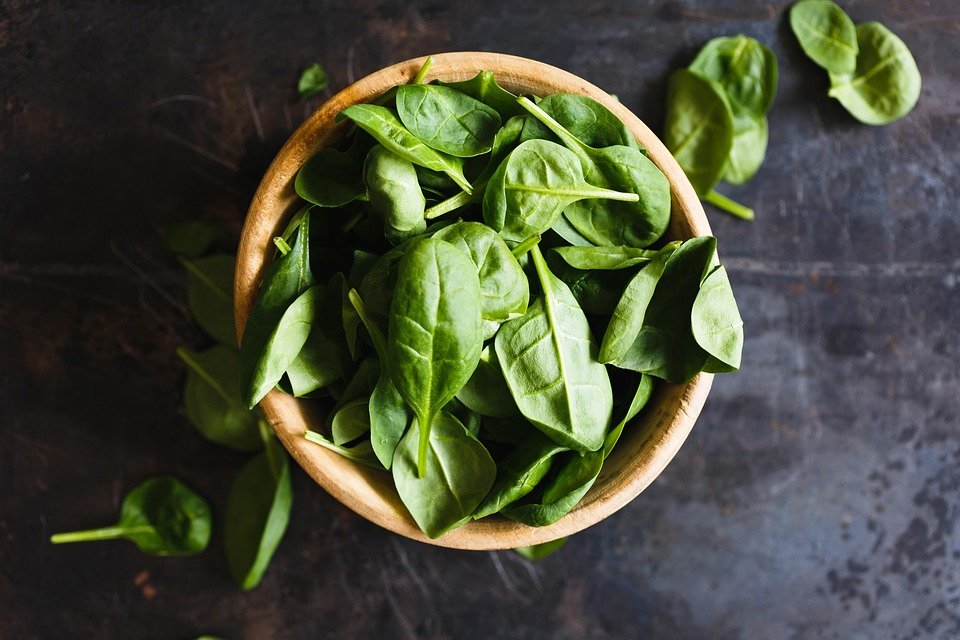
- Fruits and Vegetables: High in fiber and nutrients, these foods keep you full while providing essential vitamins.
- Lean Proteins: Options like chicken, turkey, fish, beans, and legumes promote satiety and help retain muscle mass during weight loss.
- Healthy Fats: Avocados, nuts, and olive oil can help curb cravings and provide essential fatty acids.
2. Stay Hydrated
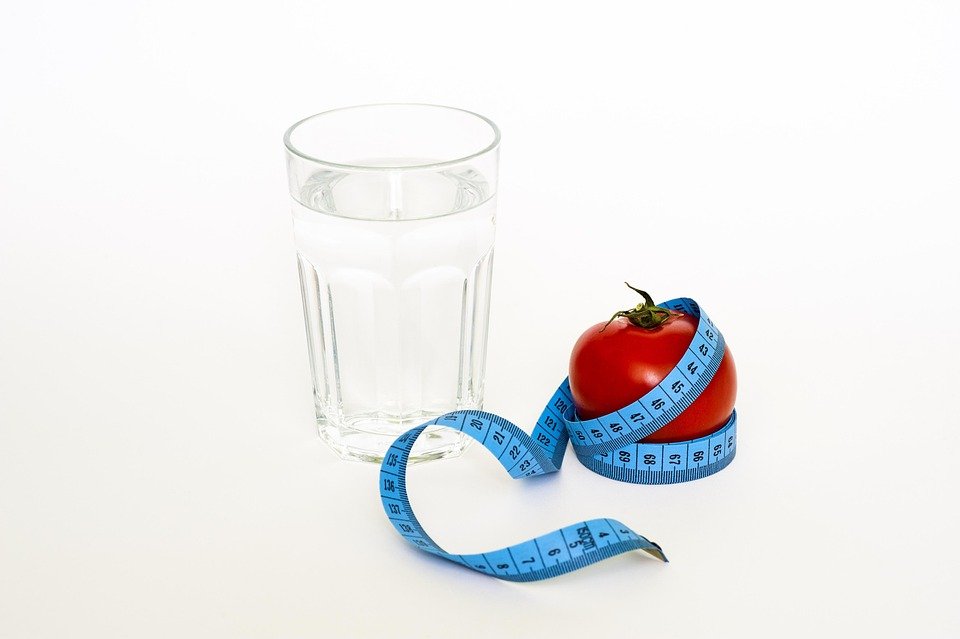
Drinking enough water is vital for weight loss. Sometimes, our bodies confuse thirst with hunger. Aim for at least eight glasses of water a day, and make it a habit to drink a glass before meals. This simple practice can help reduce calorie intake and promote fullness.
3. Prioritize Sleep
Quality sleep is often overlooked but is a crucial component of weight loss. Poor sleep disrupts hunger hormones like ghrelin and leptin, leading to increased appetite and cravings. Aim for 7-9 hours of quality sleep per night to support your weight loss goals.
4. Incorporate Physical Activity
Find forms of exercise that you enjoy, which helps to sustain a fitness routine. Engage in a mix of:
- Cardiovascular Activities: Running, cycling, swimming, or even brisk walking can help burn calories.
- Strength Training: Lifting weights or body-weight exercises builds muscle, which in turn burns more calories at rest.
- Flexibility and Balance Exercises: Yoga and Pilates enhance overall fitness and can help prevent injury.
5. Mindful Eating
Practicing mindfulness can significantly impact your eating habits. Take time to savor each bite, reduce distractions during meals, and listen to your body’s hunger cues. Mindful eating encourages a healthier relationship with food, helping to prevent overeating.
6. Set Realistic Goals
Finally, set achievable and realistic goals. Aim to lose 1-2 pounds per week, which is considered safe and sustainable. Instead of focusing solely on the scale, track other metrics like how your clothes fit or your energy levels.
Conclusion
Shed pounds naturally by embracing healthy, sustainable habits. By focusing on whole foods, staying hydrated, prioritizing sleep, incorporating physical activity, practicing mindful eating, and setting realistic goals, you can fast-track your weight loss journey without drastic measures. Remember, consistency is key, and small changes can lead to big results!
FAQs
Q1: Can I lose weight without exercising?
A1: Yes, weight loss is primarily about a calorie deficit, which can be achieved through dietary changes alone. However, regular exercise helps maintain muscle mass, improves metabolism, and enhances overall health.
Q2: How fast can I expect to see results?
A2: Results vary depending on numerous factors, including your starting weight, diet, and activity level. Generally, aiming for 1-2 pounds per week is a realistic and healthy target.
Q3: What should I avoid while trying to lose weight?
A3: Avoid fad diets, excessive calorie restriction, and highly processed foods. Instead, focus on balanced meals that nourish your body.
Q4: Is it normal to have weight loss plateaus?
A4: Yes, weight loss plateaus are common. If you hit a plateau, assess your habits, potentially change your exercise routine, or adjust your calorie intake for continued progress.
Q5: What role does stress play in weight loss?
A5: Chronic stress can lead to emotional eating and weight gain due to the release of cortisol, a hormone linked to cravings. Managing stress through mindfulness techniques, exercise, and adequate sleep is vital for successful weight loss.