








In a world where quick fixes and fad diets are abundant, many individuals are searching for healthy and sustainable ways to lose weight. The journey to shedding pounds naturally doesn’t have to be complicated or drastic. In this article, we’ll explore 10 simple and effective tips that can help you achieve your weight loss goals without resorting to extreme measures.
Thank you for reading this post, don't forget to subscribe!1. Maintain a Balanced Diet
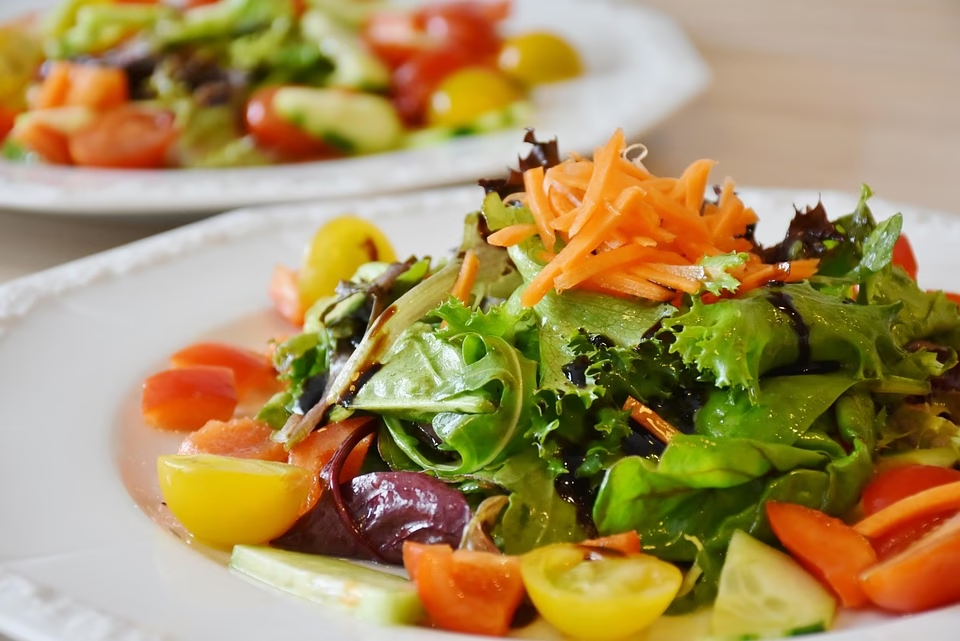
One of the most important factors in losing weight is maintaining a balanced diet. Focus on incorporating whole foods that are rich in nutrients. Your plate should be filled with:
- Fruits and vegetables
- Whole grains
- Lean proteins
- Healthy fats
These foods not only promote weight loss but also help keep you feeling full longer, which reduces the temptation to overeat.
2. Stay Hydrated
Water is essential for your overall health and can play a vital role in weight loss. Drinking water can help boost your metabolism, cleanse your body of waste, and act as an appetite suppressant. Aim to drink at least 8 glasses of water a day, and consider having a glass before meals to help reduce calorie intake.
3. Incorporate Physical Activity
Regular physical activity is crucial for weight loss. Aim for at least 150 minutes of moderate aerobic activity or 75 minutes of vigorous activity each week, along with strength training on two or more days. This doesn’t mean you have to hit the gym every day; simple activities like walking, dancing, or gardening can be effective ways to stay active.
4. Get Enough Sleep
Sleep is often overlooked in the weight loss equation. Insufficient sleep can disrupt hormones that regulate appetite, leading to increased cravings and potentially weight gain. Aim for 7-9 hours of quality sleep each night to support your weight loss efforts.
5. Practice Mindful Eating
Mindful eating involves paying full attention to your food and the eating experience. Avoid distractions like the TV or phone, and take the time to savor each bite. This practice can help you recognize hunger and fullness cues, making it easier to avoid overeating.
6. Limit Processed Foods
Processed foods are often high in added sugars, unhealthy fats, and empty calories. Try to limit your consumption of these foods and focus on preparing meals from scratch using whole ingredients. This not only helps you manage your weight but also contributes to better overall health.
7. Control Portion Sizes
Portion control is key to managing calorie intake. Use smaller plates and bowls to help control serving sizes, and be mindful of how much you’re putting on your plate. Eating slowly and stopping when you’re full can also help prevent overeating.
8. Find a Support System
Having a support system can make a significant difference in your weight loss journey. Connect with friends, family, or online communities who can offer encouragement and accountability. Sharing your goals and progress can help keep you motivated.
9. Keep a Food Diary
Tracking your food intake can be an effective tool for weight loss. By keeping a food diary, you’ll become more aware of what you’re eating and identify areas where you can make improvements. There are many mobile apps available that can help make this process easier.
10. Stay Positive
Remember that weight loss is a journey, and it’s important to stay positive and patient with yourself. Focus on progress, not perfection. Celebrate small victories and be kind to yourself if you experience setbacks. A positive mindset can significantly impact your overall success.
Conclusion
Shed pounds naturally is an achievable goal when you focus on simple, sustainable changes in your lifestyle. By incorporating these 10 tips into your daily routine, you can boost your weight loss efforts and lay the foundation for long-lasting health. Remember, there’s no one-size-fits-all solution, and finding what works best for you is essential. Stay committed, be patient, and embrace the journey toward a healthier you.
FAQs
Q1: How quickly can I expect to lose weight naturally?
A1: Weight loss varies for each individual, but a safe and sustainable rate of weight loss is typically 1 to 2 pounds per week.
Q2: Are there any foods I should completely avoid?
A2: While there are no specific foods you must avoid entirely, it’s best to limit processed foods, sugary beverages, and high-calorie snacks.
Q3: Can I lose weight without exercising?
A3: While exercise is beneficial for weight loss and overall health, weight loss can still occur through diet alone. However, incorporating physical activity can enhance your results.
Q4: Should I consult a healthcare professional before starting a weight loss plan?
A4: Yes, especially if you have any underlying health conditions or are taking medication. A healthcare professional can provide personalized guidance and support.