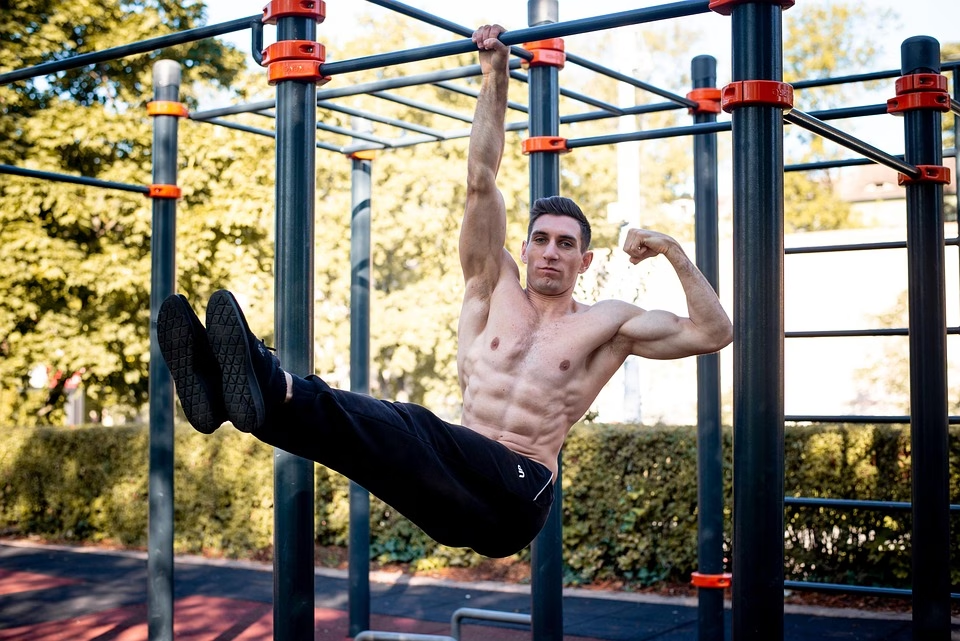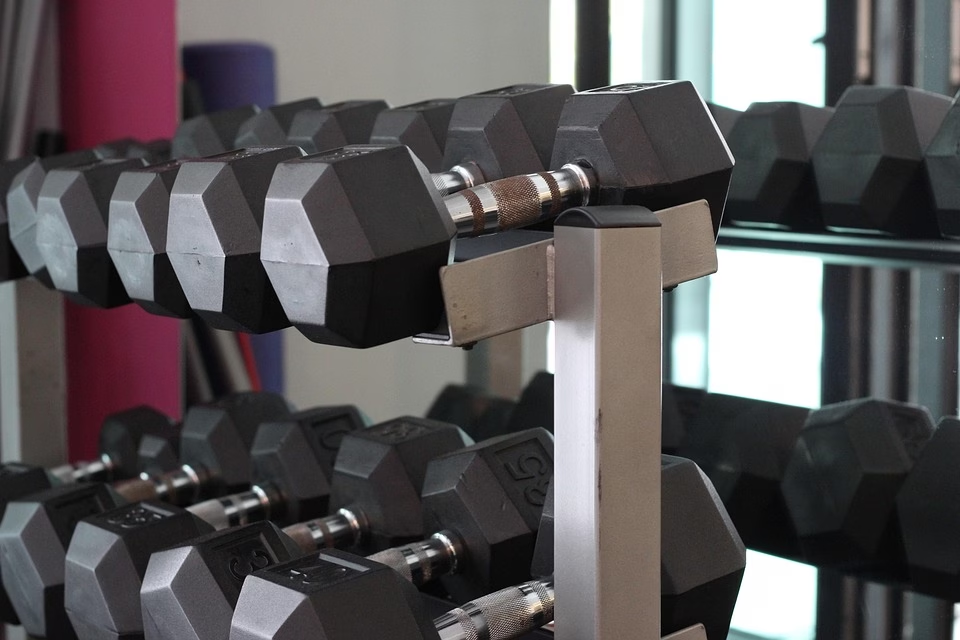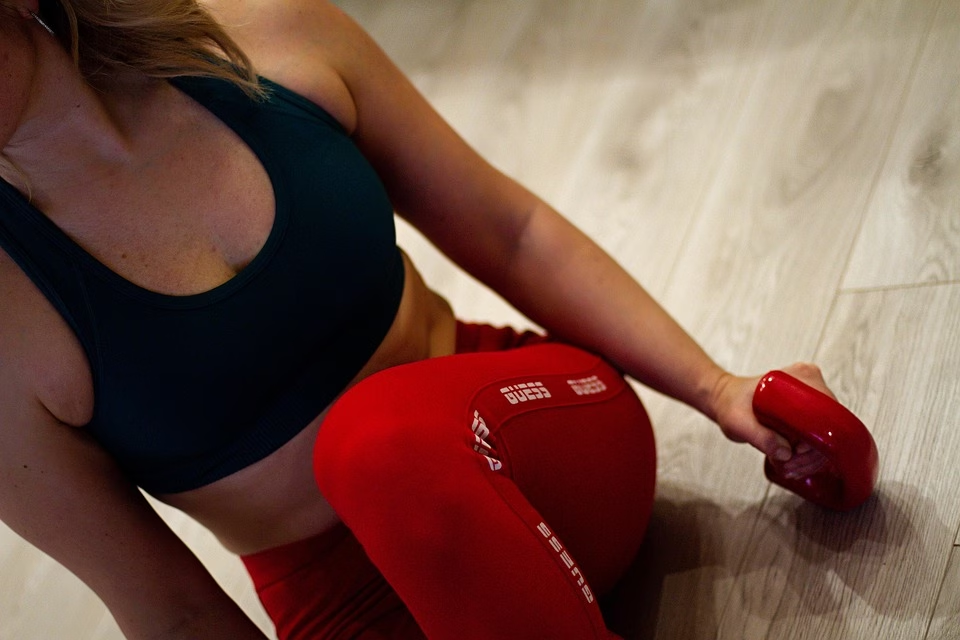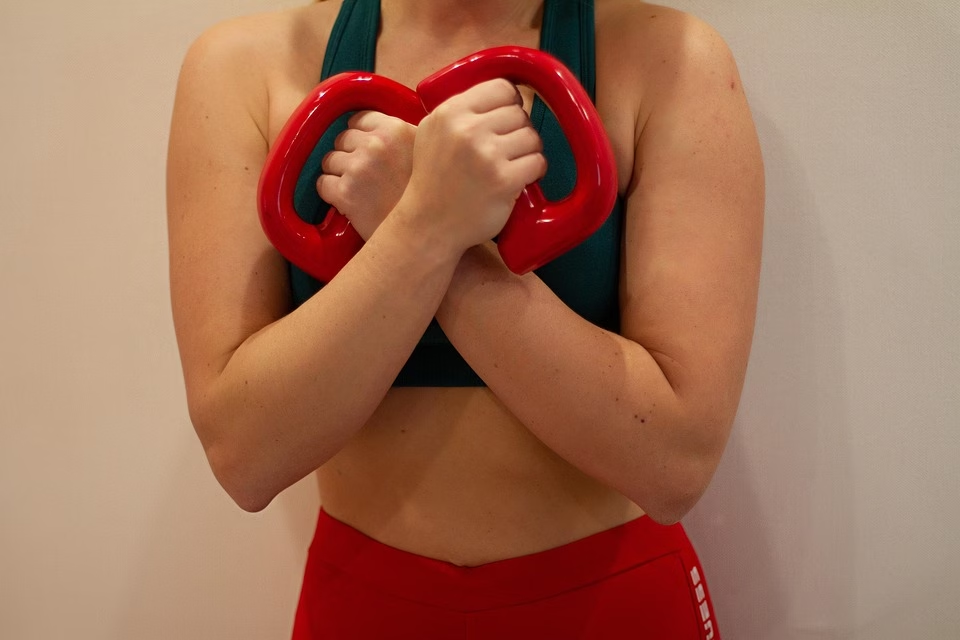










The journey to achieving a healthier body isn’t merely a matter of dropping numbers on the scale; it’s also about fostering strength and endurance. Unfortunately, many weight loss programs focus solely on calorie restriction, often neglecting the importance of muscle-building exercises. This article delves into a comprehensive workout program designed to help you shed pounds while simultaneously gaining strength.
Thank you for reading this post, don't forget to subscribe!Understanding Weight Loss and Strength Training
Weight loss is often misunderstood. While calories in versus calories out is fundamental, the types of calories consumed and the exercise performed play vital roles in body composition. A successful weight loss program should integrate both aerobic (cardio) workouts and resistance (strength) training.
Here’s why combining these components makes a difference:
- Increased Metabolism: Building muscle increases basal metabolic rate, leading to more calories burned even at rest.
- Fat Loss vs. Muscle Loss: A focus on strength training helps preserve muscle mass, ensuring that weight loss predominantly comes from fat.
- Improved Overall Health: Strength training contributes to bone density, joint stability, and overall physical functionality.
The Pillars of an Effective Weight Loss Workout Program
The ultimate weight loss program consists of three primary pillars:
- Cardiovascular Training: Activities that increase heart rate and burn calories.
- Strength Training: Exercises aimed at building muscle and enhancing strength.
- Flexibility and Recovery: Techniques to improve mobility and reduce the risk of injuries.
1. Cardiovascular Training
Cardiovascular workouts, or cardio, are essential for burning calories and improving heart health. Here are a few effective options:
- Running: A great way to burn calories quickly; it can be done outdoors or on a treadmill.
- Cycling: A low-impact option effective for cardiovascular fitness.
- HIIT (High-Intensity Interval Training): Alternating short bursts of intense activity with periods of rest can maximize calorie burn.
- Swimming: An excellent full-body workout that builds strength while being gentle on the joints.
2. Strength Training
Incorporating strength training into your routine is crucial for developing lean muscle mass. Here’s how to structure your strength training workouts:
- Frequency: Aim for at least two to three strength training sessions per week, targeting major muscle groups.
- Types of Exercises: Focus on compound movements that work multiple muscle groups, such as squats, deadlifts, bench presses, and rows.
- Progressive Overload: Gradually increase weight, resistance, or intensity to continue making gains.
- Training Split: Use a full-body approach or separate workouts by muscle group (e.g., upper/lower body splits).
3. Flexibility and Recovery
Incorporating flexibility and recovery practices is vital for overall fitness and injury prevention. Here’s how to include these elements into your routine:
- Stretching: Dynamic stretching can be a warm-up for workouts, while static stretching aids in recovery.
- Rest Days: Ensure you have designated rest days to allow muscles to recover and grow.
- Yoga or Pilates: Engaging in these practices promotes flexibility, strength, and a sense of mental calm.
Nutrition: Fueling Your Weight Loss Journey
An effective workout program goes hand-in-hand with a balanced diet. Here’s how to optimize your nutrition:
- Prioritize Protein: Foods rich in protein help repair muscles post-workout and keep you feeling full longer.
- Eat the Rainbow: Incorporate a variety of fruits and vegetables for essential vitamins and minerals.
- Healthy Fats: Sources like avocados, nuts, and olive oil contribute to heart health.
- Stay Hydrated: Proper hydration supports energy levels and overall performance.
Conclusion
Embarking on a weight loss journey requires dedication, consistency, and a holistic approach. By integrating cardiovascular exercises, strength training, and flexibility work, you create a balanced program that promotes sustainable weight loss while enhancing strength and fitness. Remember that every individual’s body responds differently, so listen to your body and adjust accordingly.
Ultimately, weight loss is more than just numbers; it’s about feeling empowered, stronger, and healthier in all aspects of life. Seek support from fitness professionals if needed, and cultivate a community that motivates you on your journey.
FAQs
Q1: How long should my workouts be?
A: Aim for a minimum of 150 minutes of moderate-intensity aerobic exercise a week, combined with two strength training sessions. Each workout can range from 30 to 60 minutes based on your fitness level.
Q2: Can I lose weight while gaining muscle?
A: Yes, with the right balance of nutrition and exercise, it’s possible to lose fat while gaining muscle. This process may be slower but is achievable.
Q3: What should I eat before and after my workouts?
A: Before workouts, choose easily digestible carbs for energy (like bananas or oatmeal). After workouts, prioritize protein and carbs to aid muscle recovery (like a protein shake with fruit).
Q4: How can I stay motivated during my weight loss journey?
A: Set realistic goals, track your progress, celebrate small wins, and find a workout buddy or community for encouragement.