








A balanced diet is essential for maintaining good health and well-being. It helps in providing the body with the necessary nutrients, ensuring optimal growth, development, and function. This guide will explore the various components of a balanced diet, their importance, and provide practical tips for incorporating them into your daily life.
Understanding a Balanced Diet
A balanced diet consists of a variety of foods in the right proportions, which help maintain health, vitality, and energy levels. The key components of a balanced diet include:
- Carbohydrates: The main source of energy; think bread, rice, pasta, and fruits.
- Proteins: Essential for growth, repair, and maintenance of body tissues; found in meat, fish, eggs, and legumes.
- Fats: Important for essential fatty acids, absorption of fat-soluble vitamins; examples include avocados, nuts, and olive oil.
- Vitamins and Minerals: Micronutrients required for various bodily functions; found in fruits, vegetables, and whole grains.
- Water: Essential for hydration and various biochemical reactions in the body.
The Role of Macronutrients
Carbohydrates
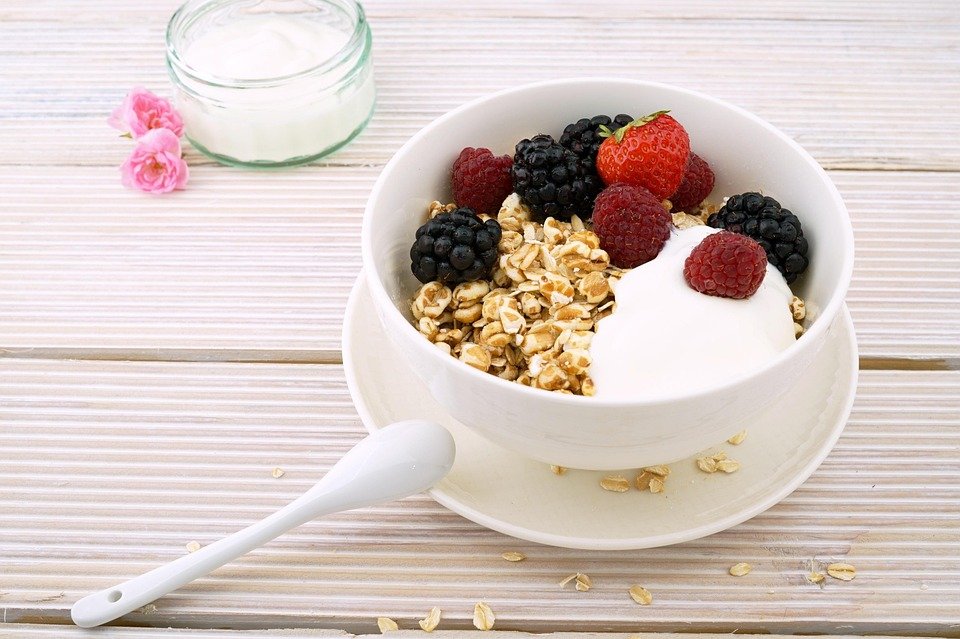
Carbohydrates are often misunderstood but are a vital part of a balanced diet. They are classified into simple and complex carbohydrates. Simple carbohydrates are sugars that provide quick energy, while complex carbs such as whole grains offer sustained energy release.
Proteins
Proteins are made up of amino acids, which are the building blocks of the body. They are crucial for muscle repair and growth, immune function, and hormone production. A varied diet will help ensure you receive all essential amino acids.
Fats
While fats are often demonized, they play a crucial role in cellular health, hormone production, and energy. Healthy fats, such as those found in fish, nuts, and olive oil, should be prioritized over trans fats and saturated fats.
The Importance of Micronutrients
Vitamins and minerals help regulate many body processes, including metabolism, immunity, and bone health. Eating a wide range of colorful fruits and vegetables will help ensure you receive enough micronutrients every day.
Building a Balanced Plate
The “Plate Method” is a simple way to visualize a balanced meal. Divide your plate into sections:
- Half of your plate: Fill it with fruits and vegetables.
- One quarter: Whole grains like brown rice, quinoa, or whole-wheat pasta.
- One quarter: Lean proteins such as chicken, fish, beans, or tofu.
Practical Tips for Incorporating a Balanced Diet
Meal Planning
Planning meals in advance can greatly improve your chances of sticking to a balanced diet. Create a weekly menu that incorporates all food groups and prepare shopping lists to reduce impulse buys.
Mindful Eating
Practicing mindful eating by savoring every bite and recognizing hunger cues can help prevent overeating and improve your relationship with food.
Stay Informed
Educate yourself about nutrition labels and food composition. Understanding what you’re consuming can significantly impact your health outcomes.
Conclusion
A balanced diet is not a one-size-fits-all solution; it is a personalized approach that varies based on individual needs, preferences, and lifestyles. By understanding the components of a balanced diet and adopting practical strategies for healthy eating, you can nourish your body and flourish in your everyday life. Remember, the journey to a healthy diet is gradual, and small, consistent changes can lead to long-term success.
FAQs
1. What is a balanced diet?
A balanced diet includes a variety of foods in the right proportions to provide the body with essential nutrients, energy, and health.
2. Why are macronutrients important?
Macronutrients—carbohydrates, proteins, and fats—provide the calories and essential nutrients necessary for maintaining health, energy levels, and overall bodily functions.
3. How can I make healthier food choices?
Focus on whole, minimally processed foods, read nutrition labels, and try to incorporate a variety of colors on your plate to ensure you get a full range of nutrients.
4. Is it necessary to count calories for a balanced diet?
While counting calories can help some people understand their eating habits, it is not essential for everyone. Focusing on the quality of your food is often more beneficial than strictly counting calories.
5. How can I maintain a balanced diet when eating out?
Check the restaurant’s menu beforehand, choose meals that are primarily plant-based, lean proteins, and whole grains, and don’t hesitate to ask for modifications to suit your dietary needs.