
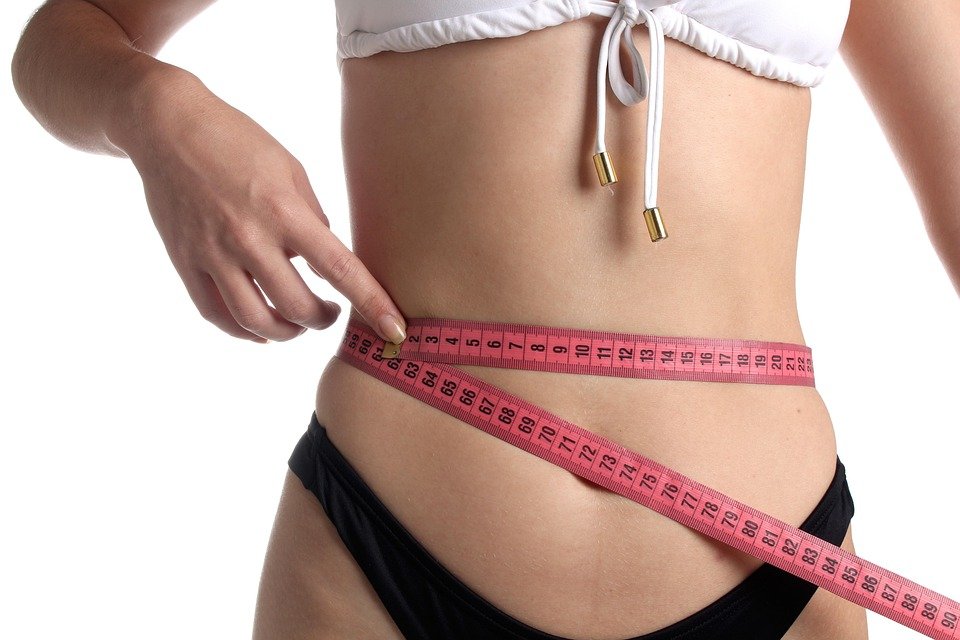



Beginning a fitness journey can be both exciting and challenging, especially for beginners who may feel overwhelmed by the vast array of options available. However, working out at home can be a practical and effective way to ease into a healthier lifestyle. This article presents a comprehensive home workout plan tailored for beginners while also touching on the importance of nutrition and mental well-being.
Thank you for reading this post, don't forget to subscribe!Understanding Fitness Goals
Before embarking on any workout plan, it’s crucial to identify your fitness goals. Common objectives include:
- Weight Loss: Aiming to shed pounds and improve overall health.
- Muscle Toning: Focused on building lean muscle and enhancing strength.
- Increased Stamina: Aiming to improve cardiovascular health and endurance.
Clear goals will help you stay motivated and measure progress effectively throughout your fitness journey.
The Home Workout Plan
This plan includes a balanced mix of strength training, cardio, and flexibility workouts designed to be completed at home without the need for expensive equipment.
Weekly Schedule
Here’s a simple weekly schedule for beginners:
- Monday: Full-body strength workout
- Tuesday: Cardiovascular training
- Wednesday: Rest or light yoga
- Thursday: Upper body workout
- Friday: Lower body workout
- Saturday: Cardio and core exercises
- Sunday: Rest day
Sample Workouts
Full-Body Strength Workout
- Bodyweight squats: 3 sets of 10-15 reps
- Push-ups: 3 sets of 5-10 reps (modify by doing them on your knees if needed)
- Lunges: 3 sets of 10 reps per leg
- Plank: Hold for 20-30 seconds, repeat 3 times
Cardiovascular Training
Choose one of the following activities for 20-30 minutes:
- Brisk walking or jogging
- Jumping jacks
- High knees
- Dance-based workouts (like Zumba or aerobics)
Upper Body Workout
- Tricep dips: Use a sturdy chair, 3 sets of 10-15 reps
- Overhead dumbbell press: 3 sets of 10-12 reps (use water bottles if no dumbbells available)
- Wall push-ups: 3 sets of 10-15 reps
Lower Body Workout
- Glute bridges: 3 sets of 10-15 reps
- Calf raises: 3 sets of 15-20 reps
- Side lunges: 3 sets of 10 reps per side
Cardio and Core Exercises
- Burpees: 3 sets of 5-8 reps
- Mountain climbers: 3 sets of 20 seconds
- Russian twists: 3 sets of 10-15 reps per side
The Importance of Nutrition
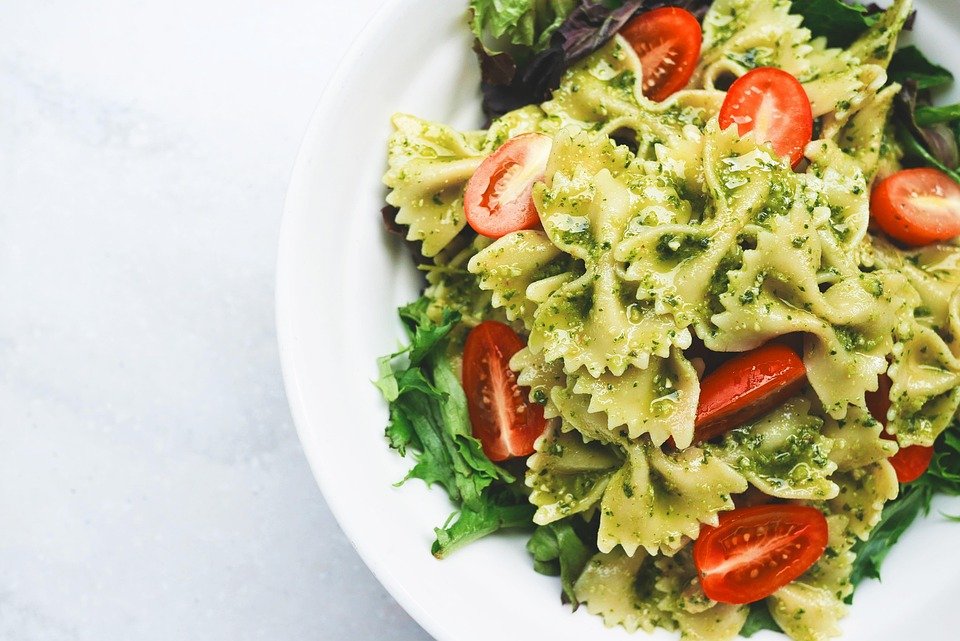
Enhancing your fitness journey goes beyond exercise; nutrition plays a pivotal role. A balanced diet rich in whole foods, including fruits, vegetables, whole grains, lean proteins, and healthy fats, can complement your workouts significantly.
Consider meal prepping to save time and ensure you have healthy options readily available. Stay hydrated and aim for adequate protein intake to support muscle recovery and growth.
Mental Well-Being Matters
Starting a fitness journey can be mentally taxing. It’s vital to cultivate a positive mindset, set realistic expectations, and be patient with yourself. Some tips include:
- Keeping a workout journal to track progress.
- Setting short-term and long-term goals.
- Finding a workout buddy to motivate you.
Conclusion
Embarking on a fitness journey at home can be a rewarding experience, fostering both physical and mental health improvements. The key to success lies in creating a structured workout plan, fueling your body with the right nutrition, and adopting a positive mindset. Remember to progress at your own pace, and most importantly, listen to your body.
FAQs
Q1: How often should I work out as a beginner?
A1: Aim for 3 to 5 days a week, incorporating a mix of strength training and cardio.
Q2: Do I need special equipment for home workouts?
A2: Not necessarily. Bodyweight exercises are effective. However, if you wish to include weights, consider dumbbells or resistance bands.
Q3: How can I stay motivated?
A3: Set achievable goals, track your progress, and consider exercising with friends or online communities for support.
Q4: Is it necessary to stretch?
A4: Yes, stretching helps increase flexibility, prevent injuries, and improve overall workout performance. Incorporate stretching into your routine.
Q5: What should I eat before and after workouts?
A5: Before a workout, choose a light snack with carbohydrates and some protein. After a workout, focus on a balanced meal with protein and carbs for recovery.