










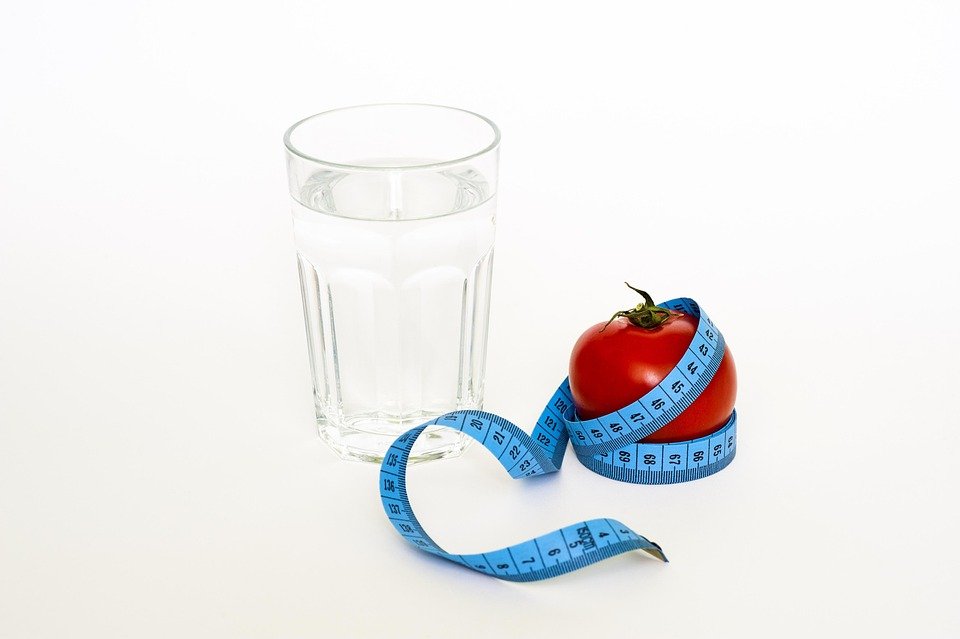
In a world obsessed with numbers, it’s easy to fall into the trap of defining success solely by the number displayed on the scale. While weight management is a critical aspect of overall health, sustainable weight loss is far more complex than simply dropping pounds. This article explores the science behind sustainable weight loss, focusing on the behaviors, mindset, and nutritional strategies that foster long-term changes.
The Science of Weight Loss
Weight loss occurs when you consume fewer calories than your body expends over time, creating a calorie deficit. However, the mechanisms behind weight loss are multi-faceted, involving physiological, psychological, and environmental factors:
- Metabolism: Your metabolism is the rate at which your body uses energy. Individual metabolic rates can vary significantly due to genetics, age, muscle mass, and activity levels.
- Hormonal Regulation: Hormones such as insulin, leptin, and ghrelin influence hunger and satiety. Understanding how these hormones function can lead to better weight management strategies.
- Food Choices: The quality of food consumed is as important as quantity. Whole, minimally-processed foods often provide more satisfaction and nutrition than calorie-dense, processed options.
The Importance of a Holistic Approach
Sustainable weight loss goes beyond calorie counting. A holistic approach focuses on overall well-being, incorporating various lifestyle factors such as:
1. Mindset and Behavior Change
Developing a sustainable mindset is crucial. This involves not only recognizing the need for change but also understanding the emotional and psychological reasons behind eating behaviors. Techniques such as mindfulness and cognitive behavioral therapy (CBT) can aid in reprogramming thought patterns related to food and body image.
2. Nutrition Strategies
Opt for nutrient-dense foods that provide satiety without excessive calories. Strategies may include:
- Focusing on whole grains, lean proteins, healthy fats, and plenty of fruits and vegetables.
- Practicing portion control without depriving oneself of favorite foods.
- Staying hydrated, as thirst can often be mistaken for hunger.
3. Physical Activity
Regular physical activity not only increases calorie expenditure but also helps regulate hormones linked to appetite and stress. Incorporate both aerobic and strength-training exercises to promote overall body composition changes. Finding enjoyable activities can lead to a sustainable exercise routine.
4. Sleep and Stress Management
Quality sleep and stress management play vital roles in sustainable weight loss. Lack of sleep can disrupt hormonal balance, leading to increased hunger and cravings. Stress, on the other hand, can lead to emotional eating. Strategies like yoga, meditation, and proper sleep hygiene can help mitigate these issues.
Setting Realistic Goals
When embarking on a weight loss journey, it’s important to set realistic and achievable goals. The ideal rate of weight loss is about 1 to 2 pounds per week. Slow and steady progress ensures that changes are sustainable and minimizes the likelihood of regaining weight.
Tracking Progress Beyond the Scale
While the scale can provide some information, it doesn’t tell the whole story. Consider tracking other indicators of health, such as:
- Body measurements (waist, hips, chest, etc.)
- Improvement in fitness levels (endurance, strength, flexibility)
- Mood and energy levels
- Quality of sleep
Building a Support System
Having a support system is critical for maintaining motivation. Surround yourself with family and friends who understand the journey and can provide encouragement, or consider joining support groups or online communities.
Conclusion
Sustainable weight loss is a journey that transcends mere numbers on a scale. It is about creating a healthy relationship with food, embracing physical activity, and making holistic lifestyle changes. Remember, the objective is not only to lose weight but to create healthier lifestyle habits that last a lifetime. Through a balance of nutritional strategies, exercise, sleep, and stress management, achieving and maintaining a healthy weight is attainable. The key lies in focusing on overall well-being rather than chasing a specific number.
FAQs
1. How long does it take to see results from a weight loss program?
Every individual is different, but noticeable changes can typically be seen in 4 to 6 weeks with consistent effort.
2. Is it better to focus on diet or exercise for weight loss?
A combination of both diet and exercise is often the most effective approach for sustainable weight loss.
3. What if I hit a weight loss plateau?
Plateaus are normal in weight loss journeys. Reassessing your caloric intake, adjusting workout routines, or seeking professional guidance can help.
4. Can I lose weight without counting calories?
Yes, focusing on whole foods, portion control, and intuitive eating can aid in weight loss without the need to count calories.