








1. Quinoa
Quinoa is often hailed as a superfood due to its impressive nutritional profile. It is a complete protein, containing all nine essential amino acids, making it an excellent choice for vegetarians and vegans. It’s also gluten-free, high in fiber, and rich in vitamins and minerals like magnesium and phosphorus. Consider adding quinoa to your salads or using it as a base for your favorite dishes.
2. Blueberries
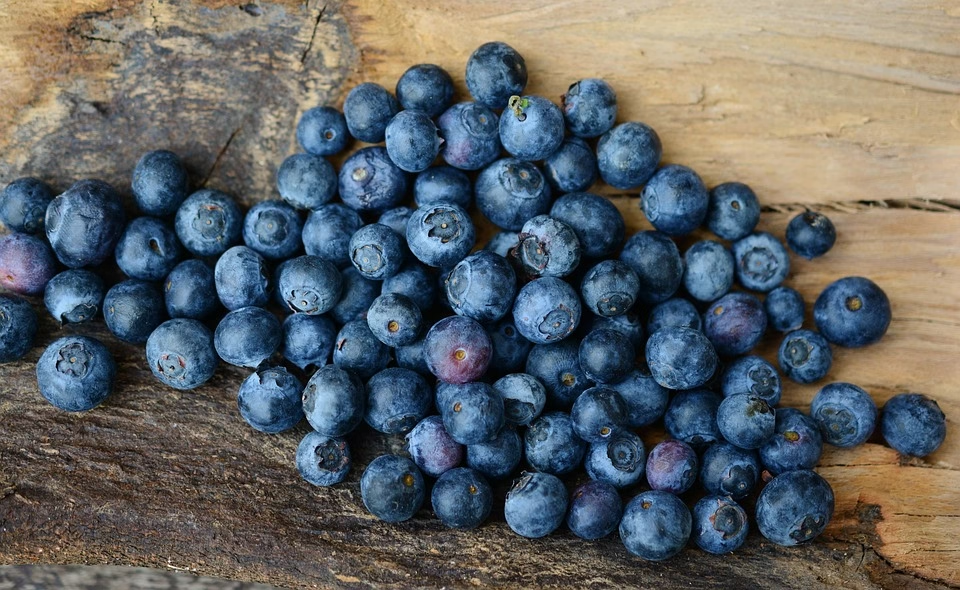
Blueberries are small yet mighty. These tiny fruits are packed with antioxidants, particularly anthocyanins, which give them their deep blue color. They have been shown to support heart health, improve memory, and reduce the risk of chronic diseases. Whether you toss them in your morning smoothie, sprinkle them on your cereal, or enjoy them fresh, they’re a delicious way to boost your health!
3. Kale
Kale is one of the most nutrient-dense vegetables available. It’s loaded with vitamins A, C, and K, as well as minerals like calcium and manganese. Kale is also high in fiber and contains powerful antioxidants that can combat inflammation. Incorporate kale into your diet by adding it to salads, smoothies, or even as crunchy baked chips.
4. Salmon
Salmon is an excellent source of omega-3 fatty acids, which are essential for heart health. Omega-3s can reduce inflammation, support brain function, and promote healthy skin. Rich in proteins and packed with vitamins D and B12, salmon makes for a heart-healthy meal option. Enjoy it grilled, baked, or even raw in sushi!
5. Avocado
Avocados are a unique fruit packed with healthy monounsaturated fats, particularly oleic acid. They are also a great source of fiber, potassium, and vitamins E and K. Consuming avocados can help improve heart health and promote feelings of fullness. Use them in salads, smoothies, or as a spread on toast for a creamy, nutritious addition to your meals.
6. Chia Seeds
Chia seeds are tiny powerhouses of nutrition. High in omega-3 fatty acids, fiber, and protein, they can help support digestive health and provide lasting energy. Chia seeds can absorb water and expand, making them great for creating pudding or adding to smoothies. Sprinkle them on yogurt or incorporate them into baked goods for an extra nutritional boost.
7. Sweet Potatoes
Sweet potatoes are not only delicious but also highly nutritious. Rich in beta-carotene, which the body converts into vitamin A, and loaded with fiber, potassium, and vitamins C and B6, they are an excellent choice for a balanced diet. Bake, steam, or mash them to enjoy their natural sweetness and health benefits.
8. Greek Yogurt
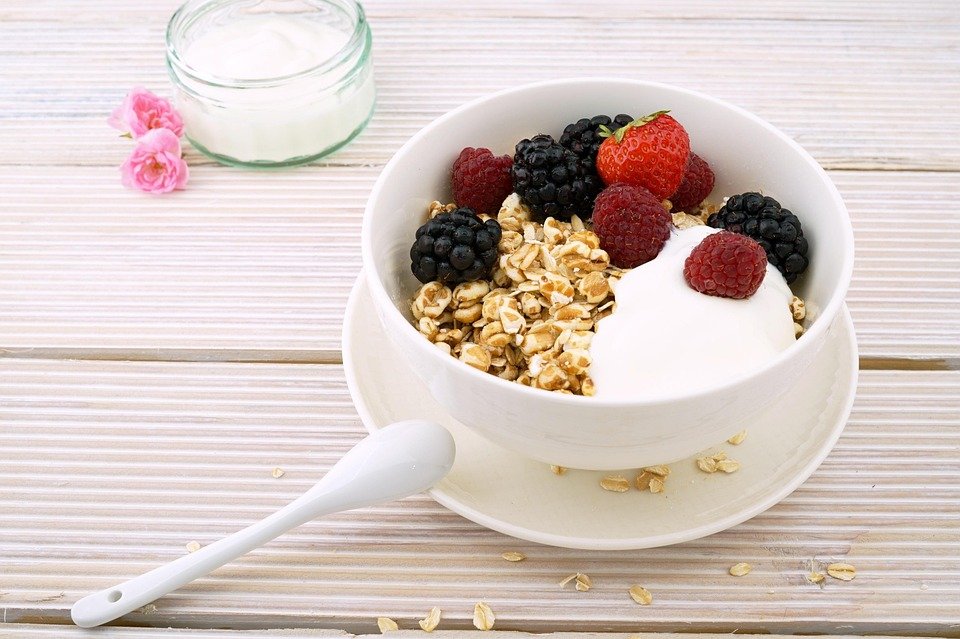
Greek yogurt is thicker and creamier than regular yogurt and packs a protein punch. It’s rich in probiotics, which support gut health, and contains calcium, which is essential for bone health. Use it as a base for smoothies, a topping for your favorite dishes, or enjoy it plain with some fresh fruit for a nutritious snack.
9. Almonds
Almonds are a fantastic snack option, providing a great source of healthy fats, protein, and various vitamins and minerals, including vitamin E and magnesium. Regular consumption of almonds can help lower cholesterol levels and promote heart health. Snack on them raw, sprinkle them on salads, or use almond butter as a creamy spread.
10. Spinach
Spinach is a leafy green that deserves a spot on your plate. Low in calories and high in vitamins A, C, and K, as well as iron and magnesium, spinach can help enhance your immune system and promote healthy skin. Use it fresh in salads, cooked into dishes, or blended into smoothies for a nutritious boost.
Conclusion
Incorporating superfoods into your diet can have a significant impact on your overall health. Not only do these foods offer a plethora of essential nutrients, but they also help prevent various health issues. By adding quinoa, blueberries, kale, salmon, avocado, chia seeds, sweet potatoes, Greek yogurt, almonds, and spinach to your plate, you can create a well-rounded, nutrient-rich diet. Remember, the key is variety and balance, so experiment with these superfoods, and discover delicious ways to enjoy them while enhancing your health!
FAQs
1. What are superfoods?
Superfoods are nutrient-rich foods considered to be especially beneficial for health and well-being. They are often high in vitamins, minerals, and antioxidants, which can help improve overall health and reduce the risk of chronic diseases.
2. Can I eat too many superfoods?
While superfoods are generally healthy, moderation is key. Eating a balanced diet that includes a variety of foods is important, as consuming excessive amounts of any food—superfoods included—can lead to imbalances and potential negative nutritional effects.
3. How can I incorporate superfoods into my meals?
There are many ways to incorporate superfoods into your diet. Add them to smoothies, sprinkle them on salads, use them in baking, or enjoy them as snacks. Be creative in combining different superfoods for delicious and nutritious meals!
4. Are superfoods expensive?
The cost of superfoods can vary. While some, like blueberries and salmon, may be more expensive, others, like spinach and sweet potatoes, are often budget-friendly. Seasonal and local produce can also help in finding cost-effective superfood options.