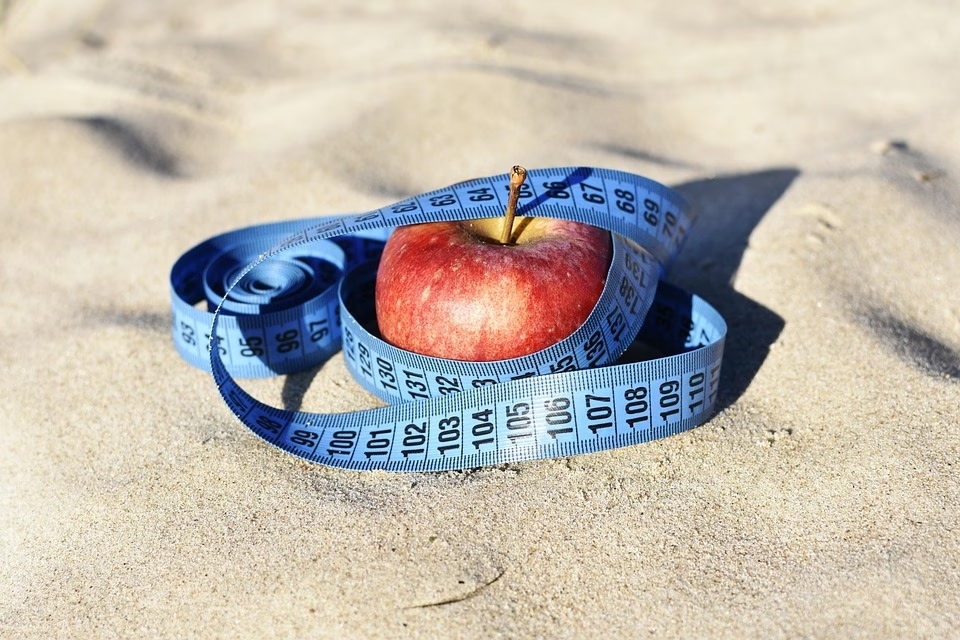












Embarking on a weight loss journey can often feel overwhelming, especially considering the myriad of options available. However, understanding which programs are effective and sustainable is critical for long-term success. This article will walk you through some of the best weight loss programs, highlighting their unique features, benefits, and why they may be the key to unlocking your weight loss success.
Thank you for reading this post, don't forget to subscribe!Understanding the Essentials of Weight Loss
Before diving into specific programs, it’s essential to note that effective weight loss strategies generally share several foundational principles, including:
- Balanced Nutrition: Consuming a variety of foods that provide essential nutrients is key.
- Regular Physical Activity: Exercise not only burns calories but also boosts metabolism.
- Behavioral Changes: Implementing lasting lifestyle changes is crucial for maintaining weight loss.
The Top Weight Loss Programs
1. Weight Watchers (WW)
Weight Watchers, known as WW, has been a leader in the weight loss industry for decades. Their program is based on a points system that assigns values to foods, encouraging users to make healthier food choices.
- Flexibility: WW allows users to eat a variety of foods without restrictions, making it easier to incorporate into daily life.
- Support System: The community and accountability offered through meetings and online forums are invaluable.
- Personalized Plans: Users can track their progress and adjust their plans according to their individual needs.
2. Noom
Noom utilizes a psychology-based approach to help users lose weight and develop healthier habits. The app combines personal coaching with user-friendly tracking tools.
- Behavioral Focus: Noom teaches users about their eating habits and helps identify emotional triggers for eating.
- Calorie Tracking: Users log their food intake easily, making it simpler to stay accountable.
- Education: The program includes articles and lessons on nutrition and exercise, promoting informed choices.
3. Mediterranean Diet
The Mediterranean diet is not just a weight loss program but a lifestyle that emphasizes whole foods, including fruits, vegetables, whole grains, fish, and healthy fats.
- Nutrient-Rich: The focus on natural foods provides essential nutrients without excessive calories.
- Sustainable: This is a lifestyle change, making it easy to follow for the long term.
- Heart Health: The Mediterranean diet is also associated with numerous health benefits, including reduced risk of heart disease.
4. Ketogenic Diet
The ketogenic diet is a high-fat, low-carbohydrate diet that shifts the body into a state of ketosis, where it burns fat for fuel instead of carbohydrates.
- Quick Results: Many users experience rapid weight loss in the initial stages.
- Appetite Suppression: The high-fat content can lead to reduced hunger levels.
- Medical Benefits: Emerging research shows potential benefits for conditions like epilepsy and type 2 diabetes.
5. Paleo Diet
The Paleo diet is centered around eating like our ancestors, focusing on whole foods such as lean meats, fish, fruits, vegetables, nuts, and seeds.
- Whole Foods: By cutting out processed foods, users tend to consume less sugar and unhealthy fats.
- Biodiversity: Encourages a varied diet, ensuring a wide range of nutrients.
- Simplified Eating: With no need for calorie counting, many find it easier to follow.
Conclusion
Finding the right weight loss program can be transformative and lead to lasting results. However, the best program for you will depend on your lifestyle, preferences, and specific weight loss goals. Remember that no single plan fits all, and sustainable weight loss is not just about quick fixes but about making long-term changes to your eating habits and lifestyle. Always consult with a healthcare provider before starting any diet to ensure it aligns with your individual health needs.
Frequently Asked Questions
1. Are weight loss programs safe?
Most weight loss programs are designed with safety in mind, but it is essential to consult with a healthcare professional before starting any program, especially if you have pre-existing health conditions.
2. How quickly can I expect to lose weight?
Weight loss varies among individuals but aiming for a steady loss of 1-2 pounds per week is generally considered healthy and sustainable.
3. Do I need to exercise with these programs?
While many programs encourage physical activity as part of a healthy lifestyle, the amount and type of exercise can depend on personal preferences and physical capabilities. It’s essential to find a routine that works for you.
4. Can I follow these programs indefinitely?
Many of these programs promote lifestyle changes that can be followed long-term. However, it’s important to adapt any dietary approach to meet your changing needs and preferences.
5. What if I hit a weight loss plateau?
Plateaus are common in any weight loss journey. You may need to reassess your dietary choices, increase physical activity, or consult a professional for guidance on overcoming it.