







Weight lifting is more than just something you see in gyms; it’s a powerful tool for transforming your body, enhancing your metabolism, and ultimately burning fat. In a world often obsessed with quick fixes, understanding how weight lifting can lead to a leaner, stronger physique is essential.
Understanding Body Composition
Before diving into how weight lifting helps in burning fat, it’s important to understand body composition. Body composition refers to the proportion of fat and non-fat mass in your body. The goal for many is to reduce fat mass while increasing lean muscle mass. Weight lifting plays a crucial role in this transformation.
Muscle vs. Fat
Muscle is metabolically active tissue, meaning it burns calories even at rest. Conversely, fat is less active and burns fewer calories. Increasing your muscle mass can significantly enhance your resting metabolic rate, leading to more calories burned throughout the day.
The Benefits of Weight Lifting
So, how exactly does weight lifting help you achieve a lean body?
1. Increases Resting Metabolic Rate
When you lift weights, you create micro-tears in your muscle fibers. During the recovery process, your body repairs these tears and builds new muscle. This process requires energy, resulting in a higher calorie burn even after your workout.
2. Builds Lean Muscle
As mentioned, more muscle means a higher resting metabolic rate. Engaging in weightlifting encourages muscle hypertrophy (growth). This is important not just for aesthetics but also for overall health, as muscle plays a key role in functions such as hormone regulation and glucose metabolism.
3. Increases Fat Oxidation
Lift weights with higher intensity, and your body will tap into fat stores for energy. This process is known as fat oxidation. By incorporating compound movements, which engage multiple muscle groups, you significantly increase the amount of fat your body utilizes for fuel.
4. Enhances Post-Exercise Oxygen Consumption (EPOC)
Following a weightlifting session, your body enters a state known as Excess Post-Exercise Oxygen Consumption. During this period, your body continues to burn calories at an elevated rate as it restores muscle energy levels and repairs tissues.
Weight Lifting Techniques for Fat Loss
Not all weightlifting is created equal. To maximize fat loss, consider the following techniques:
1. Compound Lifts
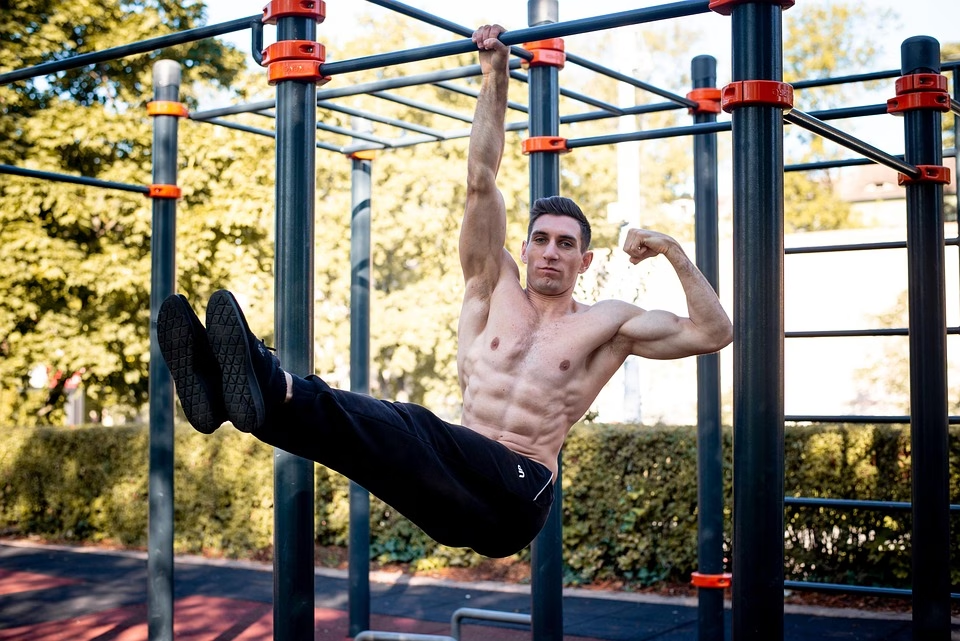
Focus on compound lifts such as squats, deadlifts, bench presses, and pull-ups. These exercises engage multiple muscle groups simultaneously, increasing the intensity of your workout while promoting higher caloric expenditure.
2. High-Intensity Interval Training (HIIT)
Incorporating HIIT with weight lifting offers a potent fat-burning punch. Alternate between high-intensity weight lifting and short rest periods to keep your heart rate elevated, enhancing fat oxidation.
3. Progressive Overload
Continuously challenge your muscles by gradually increasing the weight or the number of repetitions over time. This principle of progressive overload ensures that your muscles continually adapt and grow, resulting in increased strength and fat loss.
Nutrition to Support Weight Lifting
No matter how effective your lifting routine is, without proper nutrition, achieving a lean physique becomes extraordinarily challenging.
Balanced Diet
Consume a balanced diet rich in protein, healthy fats, and complex carbohydrates. Protein is essential for muscle repair and growth, while healthy fats provide energy for intense workouts.
Hydration
Staying hydrated is crucial for optimal performance. Water aids digestion, regulates body temperature, and can even reduce fatigue during workouts.
Conclusion
Weight lifting is an incredibly effective method for transforming your body, increasing lean muscle mass, and burning fat. By focusing on the right techniques and combining them with a balanced diet, you can achieve a healthy, lean physique. It’s a long-term journey rather than a quick fix; consistency is key. Remember to listen to your body and allow sufficient recovery time to maximize the benefits of your weight lifting regimen.
FAQs
1. How often should I lift weights to see results?
For optimal results, aim for at least three to four weight lifting sessions per week, combined with rest days for recovery.
2. Can I lift weights if I am a beginner?
Absolutely! Start with lighter weights and focus on mastering your form. Gradually increase weight as you become more comfortable and confident.
3. Do I need to follow a specific diet while weight lifting?
A balanced diet that includes an adequate amount of protein, healthy fats, and carbohydrates will support your weight lifting goals. Consult a nutritionist for personalized advice.
4. Is cardio necessary if I lift weights?
While weight lifting can effectively burn fat, incorporating cardio can enhance cardiovascular fitness and help diversify your routine, which can be beneficial for overall health.