





Clean eating revolves around fueling your body with whole, minimally processed foods. This lifestyle goes beyond mere weight loss; it’s about creating sustainable habits that promote overall well-being. But what exactly does clean eating entail and which foods should be your go-to options? Let’s break it down.
Thank you for reading this post, don't forget to subscribe!What is Clean Eating?
Clean eating refers to choosing foods that are as close to their natural state as possible. This means opting for whole foods—those that are unprocessed or minimally processed. The essence of clean eating is to consume foods that nourish your body while avoiding those laden with unhealthy fats, sugar, and chemicals.
Benefits of Clean Eating
- Weight Management: By focusing on nutrient-dense foods, clean eating can help you maintain a healthy weight.
- Improved Energy Levels: Whole foods provide the necessary nutrients that sustain high energy levels throughout the day.
- Better Mood: Foods rich in nutrients can positively affect your mood and mental well-being.
- Enhanced Digestion: Whole foods are typically higher in fiber, which promotes good digestion.
Top Diet Foods for Clean Eating
1. Fruits and Vegetables
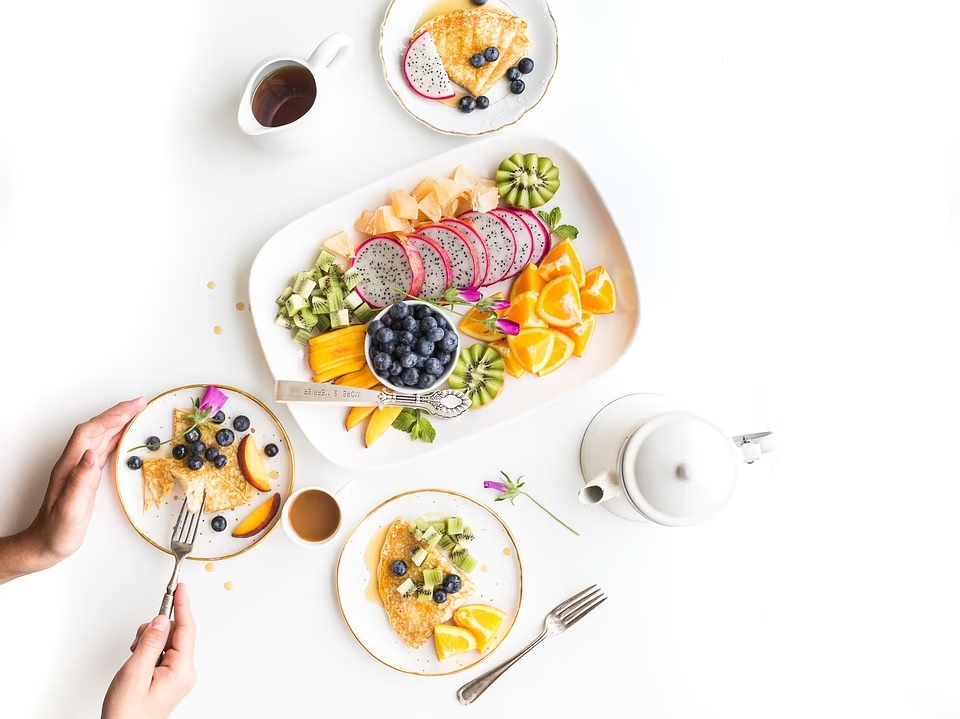
Fruits and vegetables should form the bulk of any clean eating diet. They are rich in essential vitamins, minerals, and antioxidants. Opt for a variety of colors to ensure a diverse intake of nutrients.
- Leafy Greens: Spinach, kale, and Swiss chard are nutrient powerhouses.
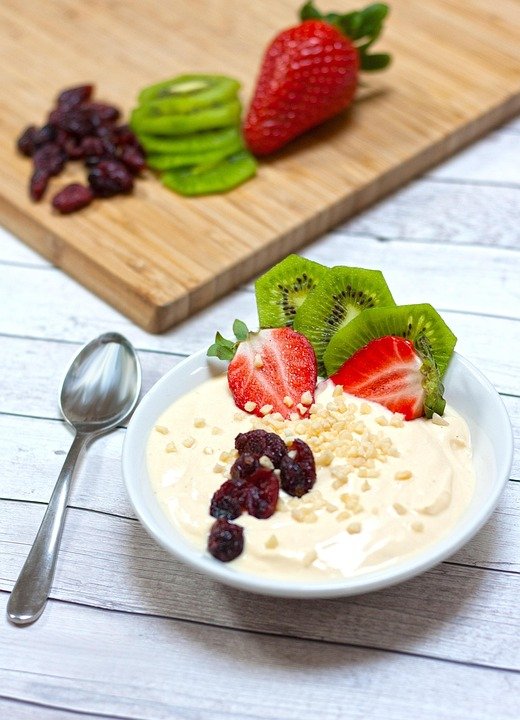
- Berries: Blueberries, strawberries, and raspberries are packed with antioxidants.
- Citrus Fruits: Oranges, grapefruits, and lemons are abundant in vitamin C.
2. Whole Grains
Whole grains are another cornerstone of clean eating. They provide essential fiber, which helps in digestion. Choose grains that haven’t been stripped of their nutrients.
- Quinoa: A complete protein and gluten-free option.
- Brown Rice: Offers more fiber compared to white rice.
- Oats: A great source of soluble fiber and perfect for breakfast.
3. Lean Proteins
Protein is crucial for muscle repair and overall health. Clean eating emphasizes sources of protein that are low in unhealthy fats.
- Chicken Breast: A lean source of protein with minimal fat.
- Fish: Salmon and mackerel are rich in omega-3 fatty acids.
- Legumes: Beans, lentils, and chickpeas provide plant-based protein and fiber.
4. Healthy Fats
Not all fats are bad! Healthy fats can enhance your diet by promoting cardiovascular health and providing energy.
- Avocados: Rich in monounsaturated fats and very versatile.
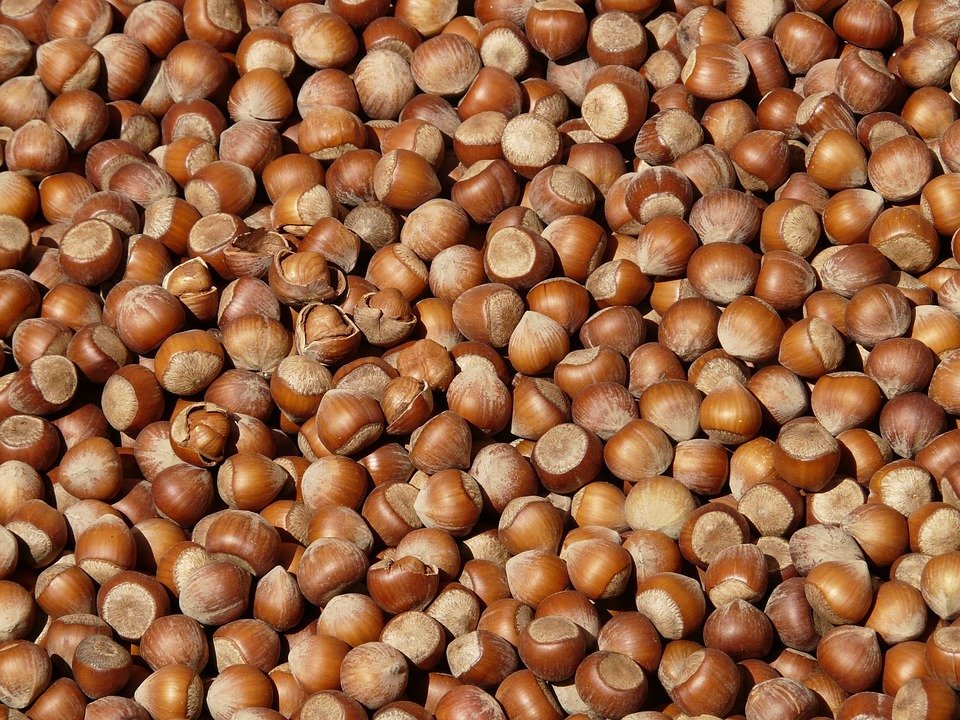
- Nuts and Seeds: Almonds, walnuts, chia seeds, and flaxseeds offer a good source of healthy fats and protein.
- Olive Oil: A staple in Mediterranean diets, ideal for cooking and dressings.
5. Fermented Foods
Fermented foods support gut health and enhance digestion.
- Kefir: A fermented dairy product high in probiotics.
- Kombucha: A fermented tea that includes beneficial bacteria.
- Sauerkraut: Fermented cabbage that’s rich in probiotics.
How to Incorporate Clean Eating into Your Lifestyle
Adopting clean eating involves gradual changes to your diet. Here are some tips to help you transition:
- Plan Your Meals: Creating a weekly meal plan can help you stay on track.
- Read Labels: Educate yourself on deciphering food labels to avoid processed items.
- Cook at Home: Prepare meals using fresh, whole ingredients whenever possible.
- Stay Hydrated: Drinking plenty of water is essential for overall health.
Conclusion
Clean eating is not about strict dietary limitations; it’s about making mindful choices about the foods you consume. By incorporating these top diet foods into your daily routine, you can reap the many benefits of clean eating while enjoying delicious, nutrient-dense meals. Start small, stay consistent, and remember that the journey to a healthier lifestyle is a marathon, not a sprint.
FAQs
1. Can I still eat my favorite foods on a clean eating plan?
Absolutely! Clean eating doesn’t mean you have to eliminate your favorite foods. Focus on moderation and try to find healthier versions of those foods.
2. Is clean eating expensive?
While some clean foods can be more expensive, buying in bulk, shopping seasonal, and choosing local produce can help manage costs.
3. How can I stay motivated on my clean eating journey?
Focusing on how clean eating makes you feel and tracking your progress can provide motivation. Also, seeking support from friends or a community can be beneficial.
4. Can clean eating help with weight loss?
Yes! Clean eating can promote weight loss by encouraging the consumption of nutrient-dense foods that are lower in calories and higher in fiber, keeping you fuller for longer.
5. Is clean eating suitable for everyone?
While clean eating is healthy for most people, individual dietary needs and restrictions should always be considered. Consult with a healthcare professional for personalized advice.