











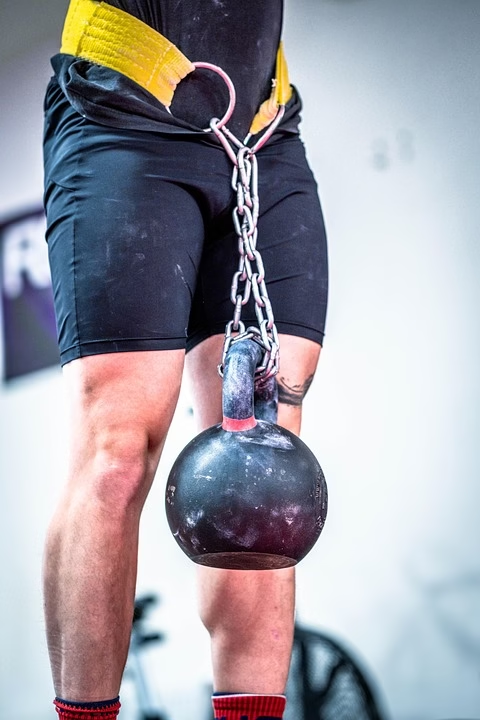
Weight loss is a journey often riddled with challenges, but it can also be incredibly rewarding. The combination of shedding pounds and gaining strength is vital for achieving a healthier, more robust body. In this ultimate guide, we’ll explore the most effective weight loss workouts, nutrition tips, and practical strategies to help you achieve your fitness goals.
Thank you for reading this post, don't forget to subscribe!Understanding Weight Loss
Before diving into workout routines, it’s essential to understand how weight loss works. Fundamentally, weight loss occurs when you burn more calories than you consume. This can be achieved through:
- Reducing your caloric intake.
- Incorporating more physical activity into your daily routine.
The ideal approach combines both aspects, allowing you to not only lose weight but also build and maintain muscle strength.
Types of Workouts for Weight Loss
There are several types of workouts that effectively contribute to weight loss:
1. Cardiovascular Workouts
Cardio exercises increase your heart rate and help burn calories. Here are some effective cardio workouts:
- Running: An excellent way to burn calories quickly, just 30 minutes can burn around 300-500 calories, depending on intensity.
- Cycling: Whether stationary or on the road, cycling is lower impact yet still provides a great calorie burn.
- Swimming: A full-body workout that’s easy on the joints and effective for burning calories.
- HIIT (High-Intensity Interval Training): Short bursts of high-intensity workouts followed by rest periods. This method can burn a lot of calories in a short time.
2. Strength Training
While cardio is essential for burning calories, strength training plays a crucial role in muscle building and metabolism boosting. When you build muscle, your body burns more calories at rest. Key exercises include:
- Weight Lifting: Focus on compound movements like squats, deadlifts, and bench presses.
- Bodyweight Exercises: Push-ups, pull-ups, and planks are great for building strength without equipment.
- Resistance Bands: Versatile for home workouts and perfect for adding resistance without heavy weights.
3. Flexibility and Mobility Workouts
Flexibility exercises, such as yoga and stretching, help improve your overall range of motion, reduce injury rates, and aid recovery. They may not burn as many calories as cardio or strength training but are vital for a well-rounded fitness routine.
Creating a Balanced Workout Plan
To effectively shed pounds and gain strength, it’s crucial to design a balanced workout plan that includes:
- 3-5 days of cardio depending on your fitness level.
- 2-3 days of strength training focusing on different muscle groups.
- 1-2 days dedicated to flexibility and mobility workouts.
Always remember to listen to your body and adjust your workouts based on your performance and recovery.
Nutrition: Fueling Your Workouts
No workout can compensate for poor nutrition. To shed pounds and gain strength, consider the following dietary tips:
- Protein Intake: Opt for lean proteins like chicken, fish, tofu, and legumes, which are essential for muscle recovery and growth.
- Healthy Fats: Incorporate sources like avocados, nuts, and olive oil, which are necessary for hormone production and overall health.
- Complex Carbohydrates: Fuel your workouts with whole grains, fruits, and vegetables, which provide sustained energy.
- Stay Hydrated: Water is crucial for optimal performance and recovery; aim for at least 8-10 glasses daily.
Conclusion
In conclusion, shedding pounds and gaining strength is an achievable goal with the right combination of exercise, nutrition, and mindfulness. By integrating suitable cardio and strength-training workouts, maintaining a balanced diet, and being consistent with your efforts, you are well on your way to transforming your body and increasing your overall health. Remember, sustainable weight loss is a marathon, not a sprint—be patient and stay committed to your goals.
FAQs
1. How many calories should I eat to lose weight?
Your caloric needs depend on various factors, including age, gender, weight, and activity level. It’s generally recommended to create a caloric deficit of about 500 calories a day for safe, sustainable weight loss.
2. Can I lose weight without exercising?
While it’s possible to lose weight solely through dietary changes, combining nutrition with exercise is more effective for long-term success and muscle retention.
3. How often should I strength train?
For most individuals, 2-3 times a week of strength training is sufficient to gain strength while allowing for recovery time.
4. Can I do cardio and strength training on the same day?
Yes, but it’s essential to listen to your body. If you’re doing both on the same day, you might want to separate them by a few hours or perform strength training first to have more energy for those workouts.