








In the quest for a healthier lifestyle, many men find themselves navigating the complex terrain of weight loss workouts and fitness regimes. With numerous programs available, each one claiming to be the key to the elusive ‘dream physique’, it is essential to cut through the noise and discover what truly works. This comprehensive guide aims to provide you with the insights needed to sculpt your physique effectively and sustainably.
Thank you for reading this post, don't forget to subscribe!Understanding Weight Loss
Before diving into specific workouts, it’s crucial to comprehend the fundamentals of weight loss. At its core, weight loss occurs when you burn more calories than you consume. This concept, often simplified to “calories in versus calories out,” may appear straightforward, but it is influenced by various factors such as age, metabolism, and lifestyle.
The Importance of a Balanced Diet
No weight loss workout program can succeed without a well-structured diet. To lose weight effectively:
- Prioritize Whole Foods: Incorporate lean proteins, whole grains, fruits, and vegetables into your diet.
- Avoid Processed Foods: Highly processed meals often contain added sugars and unhealthy fats.
- Stay Hydrated: Water plays a crucial role in your metabolism and overall health.
Setting Realistic Goals
Setting achievable and realistic goals is a pivotal step in your fitness journey. Depending on individuals’ starting points, a safe and sustainable weight loss target is generally 1-2 pounds per week. Tracking your progress through journaling or apps can help maintain motivation.
Types of Weight Loss Workouts
There are various types of workouts you can incorporate into your routine. Below are some effective approaches:
1. Strength Training
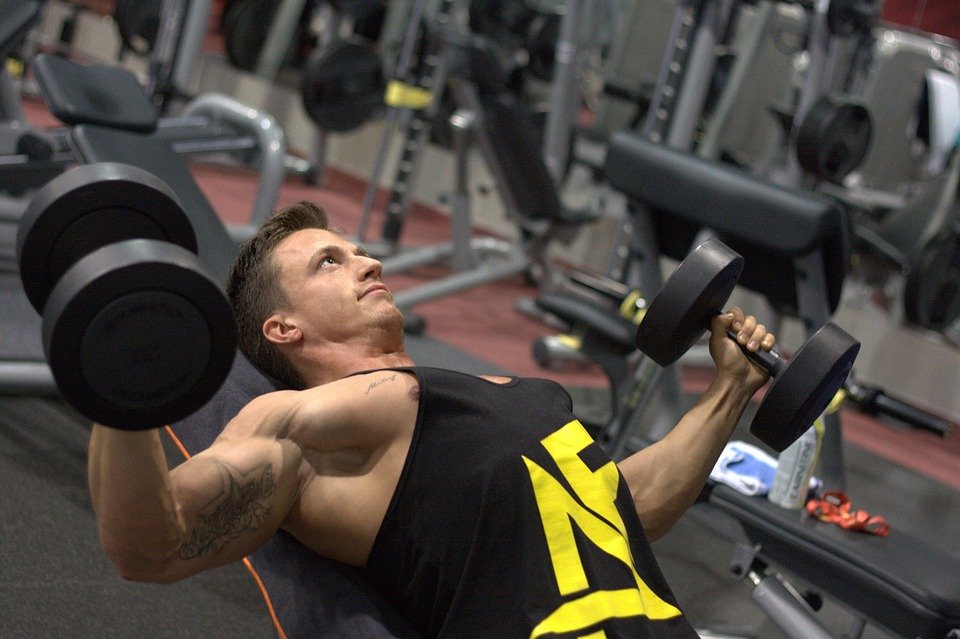
Strength training is vital for building muscle, which can increase metabolic rate and facilitate weight loss.
- Compound Exercises: Focus on multi-joint movements such as squats, deadlifts, and bench presses.
- Weighted Exercises: Incorporate weights to your bodyweight routines for added resistance.
2. High-Intensity Interval Training (HIIT)
HIIT combines short bursts of intense exercise with recovery periods, making it effective for burning calories and improving cardiovascular fitness.
- Structure: A typical HIIT session can last from 15 to 30 minutes.
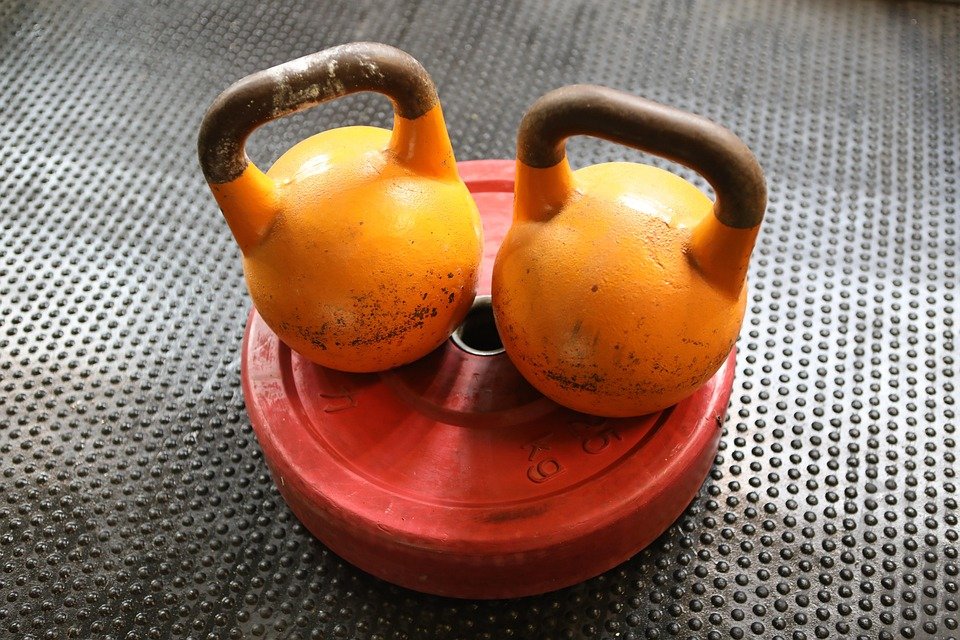
- Examples: Burpees, sprints, and kettlebell swings combined with short rest periods.
3. Moderate-Intensity Cardio
Activities such as jogging, cycling, or swimming contribute significantly to calorie expenditure.
- Frequency: Aim for at least 150 minutes of moderate-intensity cardio weekly.
- Interval Training: Incorporate intervals to enhance the effectiveness of your sessions.
4. Flexibility and Recovery Workouts
Workouts such as yoga and Pilates enhance flexibility and aid recovery, which is crucial for sustaining fitness over the long term.
Creating a Balanced Weekly Workout Plan
A well-rounded weekly workout plan is essential for optimal results. Here’s a sample structure:
- Monday: Strength Training (Upper Body)
- Tuesday: HIIT (20-30 minutes)
- Wednesday: Rest or Light Activity (walking, yoga)
- Thursday: Strength Training (Lower Body)
- Friday: Moderate-Intensity Cardio
- Saturday: Strength Training (Full Body)
- Sunday: Rest or Active Recovery
Tracking Progress and Staying Motivated
Monitoring your progress is vital in maintaining motivation and ensuring you’re on track. Utilize:
- Fitness Apps: Several applications can help track workouts and meals.
- Progress Pictures: Visual evidence can be incredibly motivating.
- Accountability Partners: Consider partnering with a friend or trainer for support.
Conclusion
Sculpting your physique requires a balanced approach that incorporates a healthy diet along with a mix of strength training, cardio, and recovery workouts. Sustainable weight loss is not just a sprint; it’s a marathon that requires consistency, dedication, and the right knowledge. By understanding your body, setting realistic goals, and tracking your progress, you can effectively achieve your fitness aspirations. Remember, the journey to a healthier you is a personal one – embrace it.
FAQs
1. How often should I work out for weight loss?
It is generally recommended to work out at least 4-5 times a week, incorporating a mix of strength training and cardio.
2. Can I lose weight without changing my diet?
While it’s possible to lose weight through exercise alone, combining it with a healthy diet will yield more effective and sustainable results.
3. How long does it take to see results from weight loss workouts?
Most people begin to notice changes within 4-6 weeks, but this can vary depending on individual factors such as diet and workout intensity.
4. Is it necessary to have a gym membership for weight loss?
No, many effective workouts can be done at home using bodyweight exercises, resistance bands, or light weights.
5. Should I focus more on cardio or strength training for weight loss?
A balanced approach that includes both cardio and strength training is most effective for weight loss and overall fitness.