










Embarking on a journey toward sustainable weight loss can feel overwhelming. With countless diets, fads, and misinformation circulating, it’s challenging to distinguish between sound advice and misleading trends. This guide aims to demystify the process of achieving lasting weight loss by providing you with practical tips and strategies that foster a healthy relationship with food and physical activity.
Thank you for reading this post, don't forget to subscribe!Understanding Sustainable Weight Loss
Sustainable weight loss is not merely about shedding pounds quickly; it’s about creating lifestyle changes that you can maintain over the long term. This means adopting habits that promote physical and mental well-being, rather than focusing solely on the scale. The key to sustainable weight loss is to strike a balance between eating nutritious foods, engaging in regular physical activity, and fostering a healthy mindset.
1. Set Realistic Goals
One of the first steps toward sustainable weight loss is to set achievable and realistic goals. Instead of aiming for dramatic weight loss, focus on small, incremental changes. Aim to lose 1-2 pounds per week, which is considered a healthy and sustainable rate. This approach encourages better habits and provides a sense of accomplishment as you progress.
2. Embrace a Balanced Diet
A balanced diet is essential for long-term weight loss success. Incorporate a variety of foods from all the food groups:
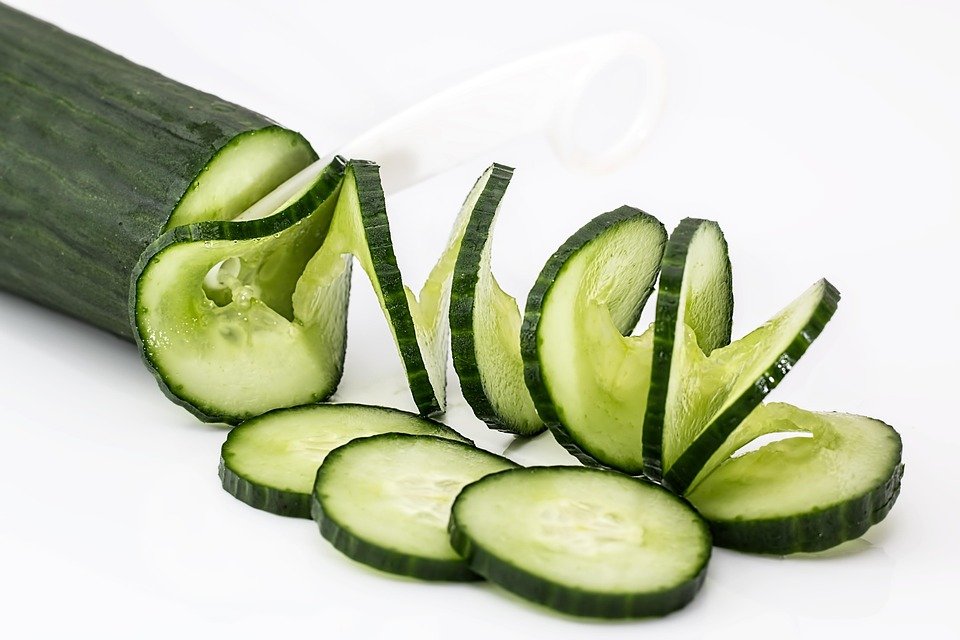
- Fruits and Vegetables: Aim for at least 5 servings per day.
- Whole Grains: Choose whole grains over processed alternatives.
- Lean Proteins: Include sources like chicken, fish, beans, and legumes.
- Healthy Fats: Opt for avocados, nuts, seeds, and olive oil.
By consuming a wide range of nutrients, you’ll not only feel fuller longer but also nourish your body in a healthy way.
3. Practice Mindful Eating
Mindful eating encourages you to slow down and savor your meals. This practice can prevent overeating and help you develop a better relationship with food. Try these tips to cultivate mindfulness during meals:
- Eat without distractions, such as television or phones.
- Take smaller bites, and chew your food thoroughly.
- Listen to your body’s hunger cues and eat until you’re satisfied, not stuffed.
4. Stay Hydrated
Water plays a crucial role in weight loss. Often, we mistake thirst for hunger, leading to unnecessary snacking. Aim to drink at least 8-10 cups of water per day. Consider carrying a water bottle with you and setting reminders to drink regularly, especially if you engage in physical activities.
5. Incorporate Regular Physical Activity
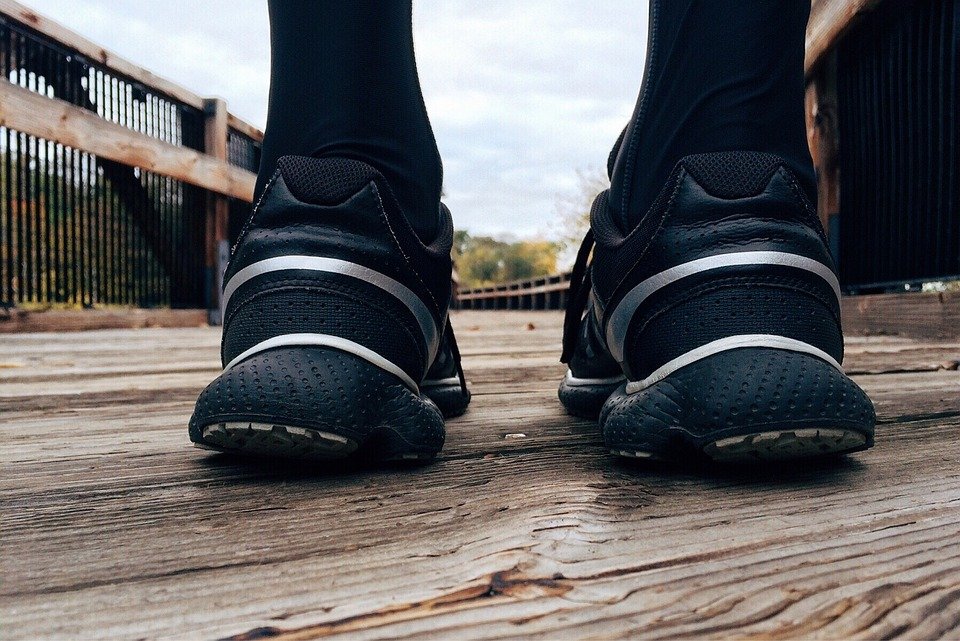
Exercise is an integral part of any weight loss plan. Find a balance of cardiovascular, strength-training, and flexibility exercises that you enjoy:
- Cardiovascular Exercise: Activities such as running, cycling, or swimming help burn calories.
- Strength Training: Building muscle boosts metabolism and helps maintain weight loss.
- Flexibility and Balance: Yoga and stretching improve mobility and overall wellness.
Strive for at least 150 minutes of moderate-intensity exercise per week, but find activities you love so that you stick with it.
6. Get Enough Sleep
Sleep is an often-overlooked aspect of weight loss. Lack of sleep can affect your body’s hunger hormones, leading to increased appetite and cravings for unhealthy foods. Aim for 7-9 hours of quality sleep each night to support your weight loss journey.
7. Manage Stress Effectively
Stress can lead to emotional eating, which hinders weight loss efforts. Incorporate stress-reducing activities into your routine. Techniques may include:
- Meditation and mindfulness practices
- Regular physical activity
- Spending time in nature
- Engaging in hobbies and creative outlets
Finding effective ways to manage stress will guard against emotional eating and support your overall health.
Conclusion
Sustainable weight loss is a journey that demands patience, commitment, and a positive outlook. By setting realistic goals, embracing a balanced diet, practicing mindful eating, staying hydrated, incorporating regular exercise, getting enough sleep, and managing stress, you can create a lifestyle that promotes lasting change. Remember, it’s not just about losing weight but fostering habits that lead to a healthier, more fulfilling life.
FAQs
1. How long does it take to lose weight sustainably?
The rate of weight loss varies per person. Aiming to lose 1-2 pounds a week is a safe, healthy, and sustainable goal.
2. Are there any foods I should avoid completely?
While there are no “forbidden” foods, it’s important to limit processed foods high in sugars and unhealthy fats. Balance is key.
3. Can I lose weight without exercising?
While exercise aids in weight loss and overall health, focusing on a balanced diet can also lead to weight loss. However, incorporating some exercise will improve your results and overall well-being.
4. How can I avoid weight regain after losing weight?
To avoid regaining weight, continue with healthy habits you adopted during your weight loss journey. Staying active and maintaining a balanced diet are critical for long-term success.
5. Should I consult a professional for weight loss?
Consulting a healthcare provider, registered dietitian, or nutritionist can provide personalized guidance and ensure a safe approach to weight loss.