









Weight loss is a pursuit that many individuals undertake, often with the aim of improving their health, boosting their self-esteem, or preparing for special occasions. However, the journey of slimming down should not be taken lightly. It is paramount to approach weight loss with precautions to ensure that it is effective and, more importantly, safe. In this article, we will explore essential precautions you should consider for a safe and effective weight loss journey.
Thank you for reading this post, don't forget to subscribe!Understanding Weight Loss
The foundation of weight loss lies in a simple principle: burning more calories than you consume. However, effective weight loss requires a balanced approach that encompasses nutrition, physical activity, mental well-being, and safety. Before embarking on your weight loss journey, consider the following precautions.
Consultation with Healthcare Professionals
Before starting any weight loss program, it is advisable to consult with a healthcare provider or a registered dietitian. They can assist in determining a healthy weight for you and guide you in designing a personalized plan that aligns with your specific health needs and goals.
Setting Realistic Goals
One of the most common pitfalls in weight loss is setting unrealistic goals. Aim for a gradual weight loss of 1-2 pounds per week, which is generally considered safe and sustainable. Setting achievable milestones can also help maintain motivation and reduce the likelihood of emotional distress resulting from unmet expectations.
Balanced Diet
A balanced diet is crucial for safe weight loss. Rather than resorting to fad diets that may restrict essential nutrients, focus on incorporating whole foods such as fruits, vegetables, lean proteins, whole grains, and healthy fats into your eating plan. Monitoring portion sizes, staying hydrated, and being mindful of snacking can also play significant roles in your diet.
Incorporating Physical Activity
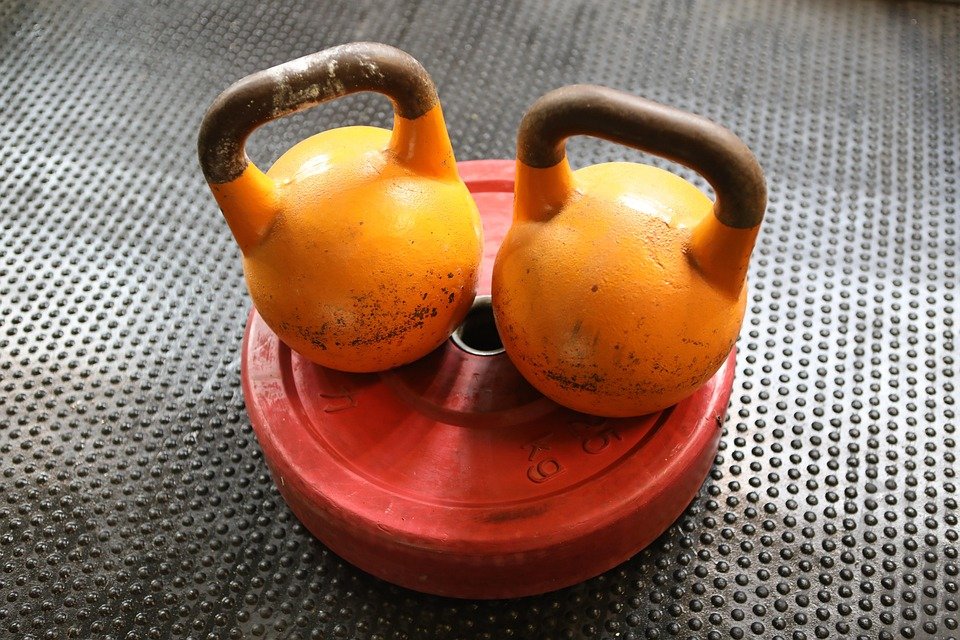
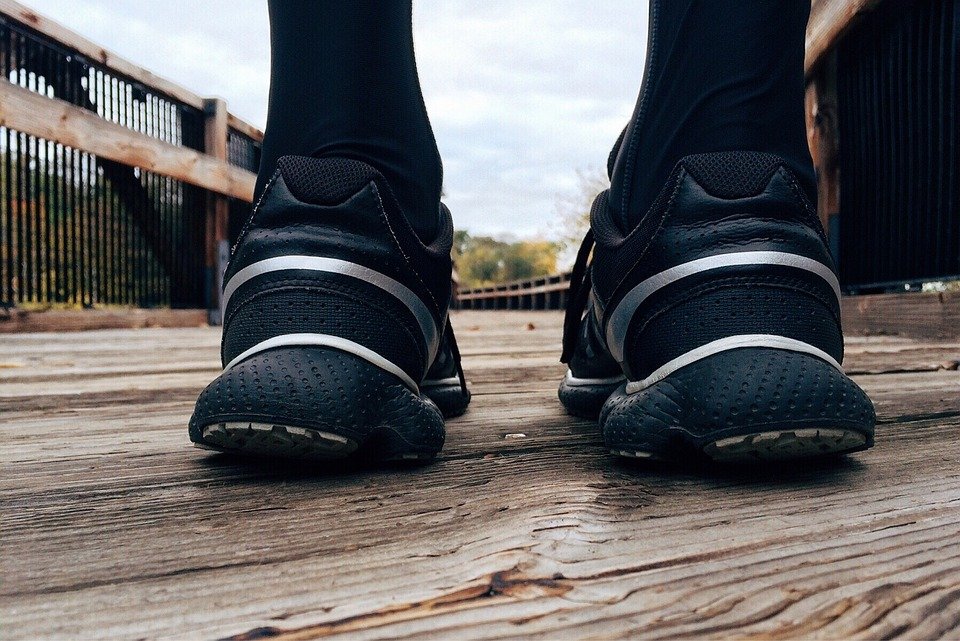
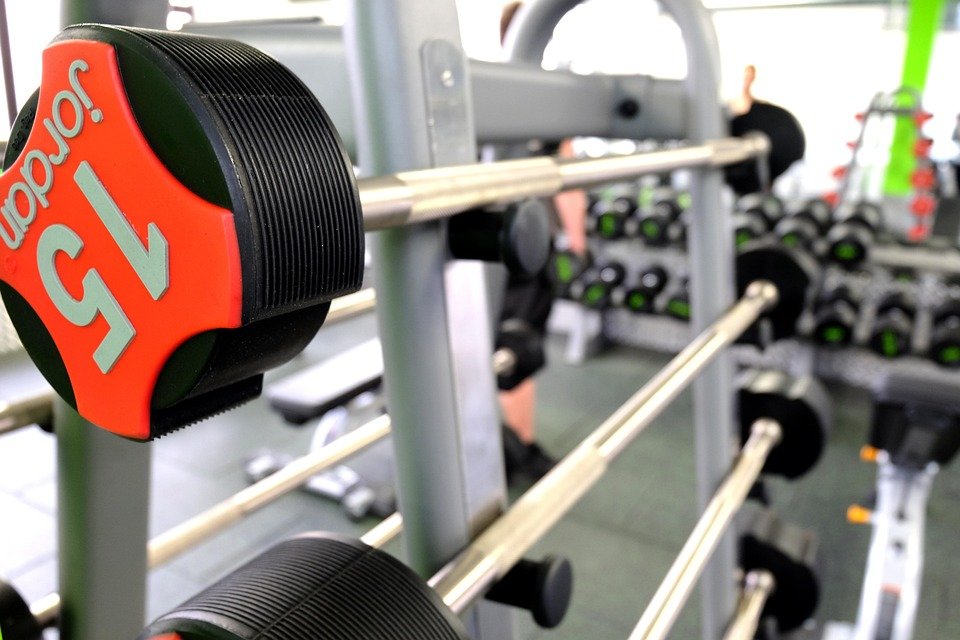
Regular physical activity is vital for successful weight loss. Aim for at least 150 minutes of moderate aerobic exercise weekly, in addition to strength training exercises at least twice a week. Engaging in activities you enjoy, such as walking, dancing, or swimming, can help keep you motivated and make physical activity a fun part of your routine.
Behavioral Changes and Mindfulness
Sometimes, the psychological aspects of weight loss can be overlooked. Practices like journaling your meals, setting reminders for physical activity, and engaging in mindfulness techniques can foster a healthier relationship with food and body image. Understanding emotional eating triggers is crucial in developing healthier coping mechanisms.
Avoiding Extreme Measures
It can be tempting to seek rapid weight loss through extreme measures such as starvation diets, diet pills, or bariatric surgeries. These approaches can lead to severe health complications and are not sustainable in the long run. Instead, focus on gradual lifestyle changes that promote long-term health and well-being.
Monitoring Progress and Adjusting
Keep track of your weight loss progress, but also pay attention to non-scale victories, such as increased energy levels or improved mood. Be open to adjusting your approach based on what works for your body. Consulting with a professional can help you navigate these changes effectively.
Conclusion
In conclusion, safe slimming requires patience, planning, and a balanced approach. As you embark on your weight loss journey, prioritize your health and well-being above all. Consulting with healthcare professionals, setting realistic goals, maintaining a well-balanced diet, incorporating physical activity, and addressing emotional and psychological components can help pave the way for a successful weight loss experience. Remember, the journey is uniquely yours, and celebrating small successes can make it far more fulfilling.
Frequently Asked Questions (FAQs)
1. How long does it take to see results in weight loss?
Results can vary significantly based on individual factors, including metabolism, starting weight, and adherence to a diet and exercise plan. Typically, noticeable changes can occur within a few weeks with consistent effort.
2. Is it safe to lose weight during pregnancy?
Weight loss during pregnancy is generally not advised unless under medical supervision. Expectant mothers should focus on healthy weight gain and nutrition for the benefit of both the mother and the baby.
3. Can I lose weight without exercising?
Yes, weight loss can be achieved through dietary changes alone. However, incorporating exercise not only aids in weight loss but also enhances overall health and well-being.
4. What is the role of hydration in weight loss?
Hydration is essential for overall health and can aid in weight loss. Sometimes, thirst is mistaken for hunger, leading to unnecessary snacking. Drinking enough water can help manage appetite and support metabolism.
5. Should I take supplements for weight loss?
While some supplements claim to aid in weight loss, many lack scientific backing and can pose health risks. It’s important to consult with a healthcare professional before starting any supplements.