



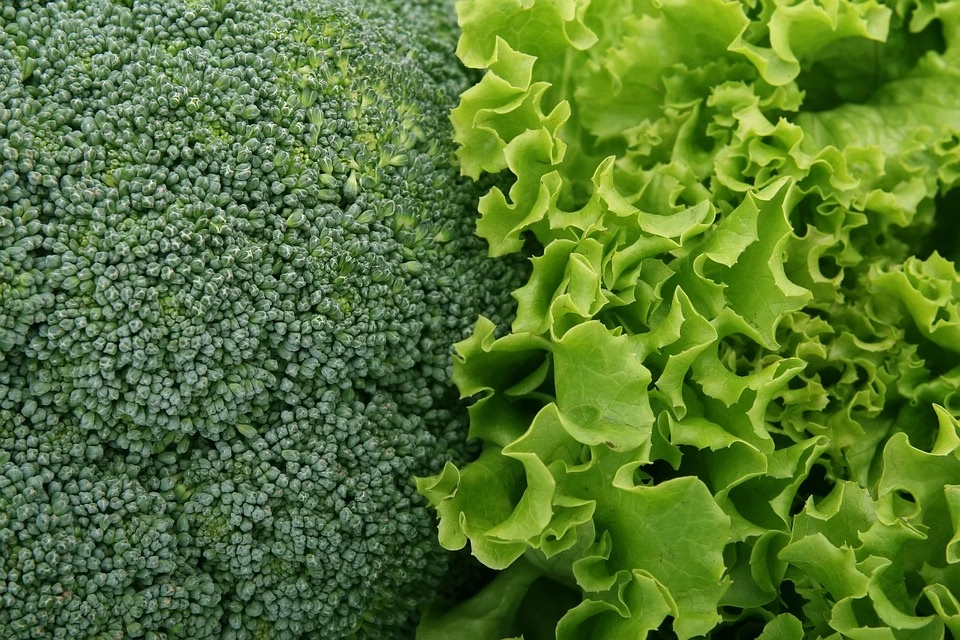
In the modern world, where convenience often trumps quality, many individuals are seeking natural ways to manage their weight. The journey toward effective weight loss can be overwhelming, but embracing whole foods can offer a sustainable and healthy approach. Whole foods, such as fruits, vegetables, whole grains, and lean proteins, provide essential nutrients and are more nutritious than processed foods. They not only nourish the body but also foster a mindset geared toward health and well-being.
Thank you for reading this post, don't forget to subscribe!Understanding Whole Foods
Whole foods are nutrient-dense and minimally processed substances that are close to their natural state. Unlike processed foods, which often contain added sugars, fats, and sodium, whole foods emphasize the following:
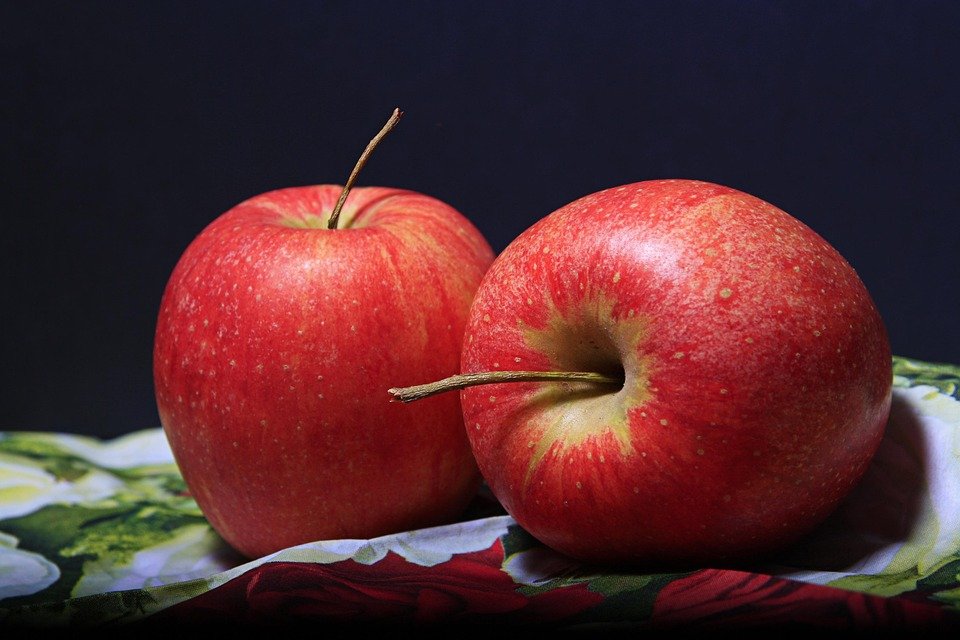
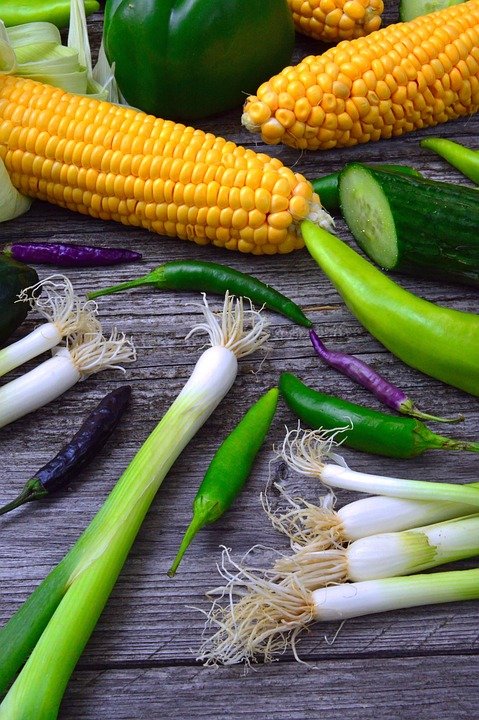
- Fruits and vegetables: These are packed with vitamins, minerals, and fiber.
- Whole grains: Foods like brown rice, quinoa, and oats give sustained energy.
- Lean proteins: Sources such as chicken, fish, beans, and legumes help build and repair tissues.
Incorporating whole foods into your diet can lead to significant health benefits, especially when it comes to weight loss.
The Benefits of Whole Foods for Weight Loss
1. **High Fiber Content**: Whole foods are rich in fiber, which helps increase satiety and reduces hunger. Consuming high-fiber foods allows you to feel full for longer, making it easier to maintain a calorie deficit without feeling deprived.
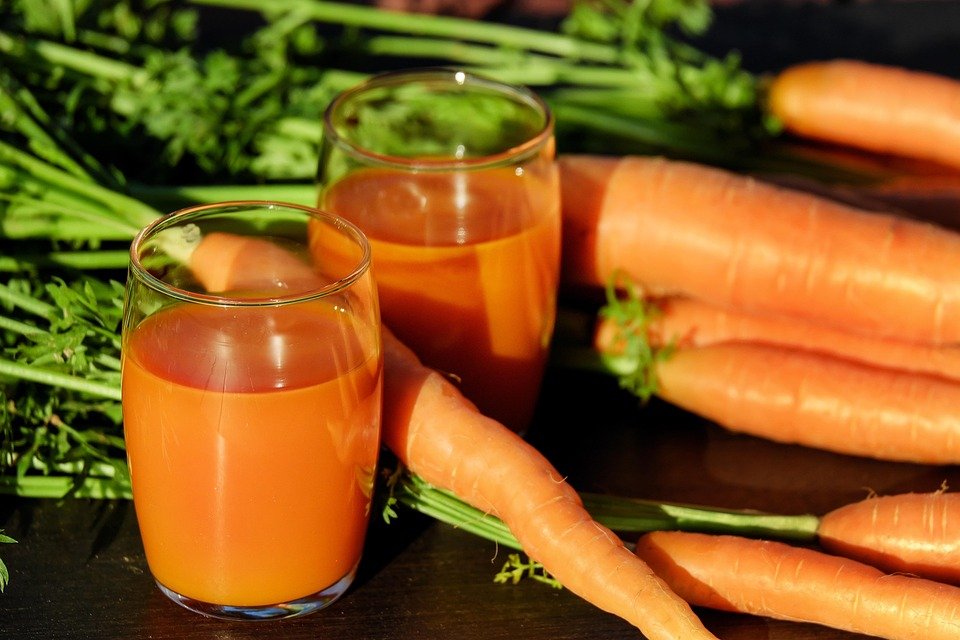
2. **Lower in Calories**: Many whole foods have fewer calories compared to processed alternatives. For example, swapping out chips for carrot sticks can greatly reduce your caloric intake while still providing satisfaction.
3. **Nutrient Density**: Whole foods provide essential vitamins and minerals that the body needs to function optimally. They help boost metabolism and energy levels, which can lead to increased physical activity and calorie burning.
4. **Improved Metabolism**: Eating nutrient-dense foods can accelerate metabolism, as the body works harder to digest whole foods. This effect contributes to more effective weight loss.
5. **Balanced Blood Sugar Levels**: Whole foods typically have a lower glycemic index, leading to more stable blood sugar levels. This stability reduces cravings and helps manage hunger effectively.
Strategies for Incorporating Whole Foods Into Your Diet
Making the shift to whole foods doesn’t have to be daunting. Here are some practical strategies for incorporating these nutritious options into your daily meals:
- Meal Prepping: Preparing meals in advance allows you to control portion sizes and ingredients, making it easier to avoid processed foods throughout the week.
- Start Slowly: Gradually replace processed snacks with whole food options. For example, choose fruit instead of candy.
- Experiment with New Recipes: Exploring new whole food recipes can make the transition enjoyable. Try making salads, smoothies, or soups that highlight seasonal produce.
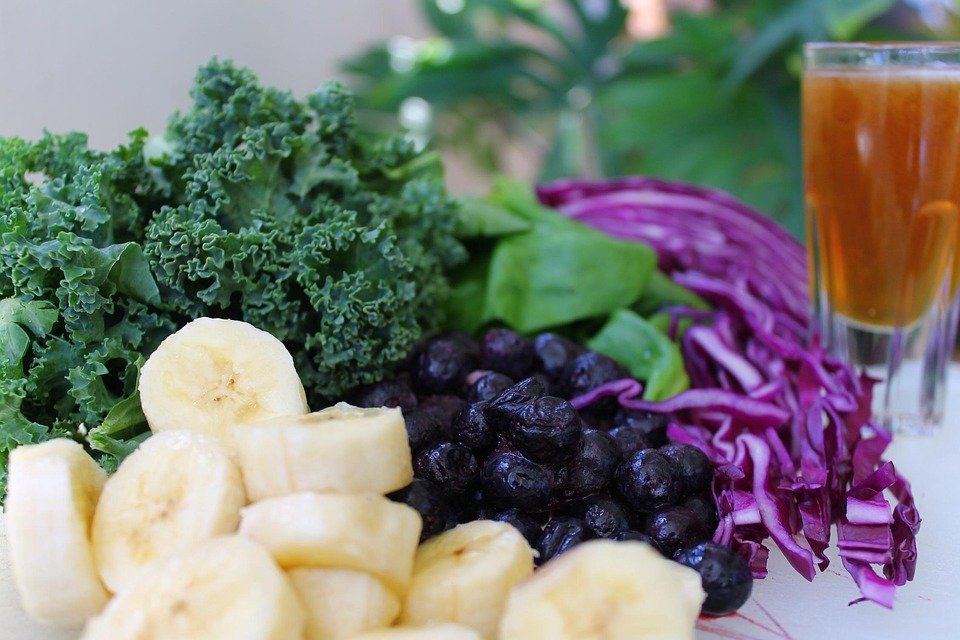
- Keep It Colorful: Aim for a varied plate of colorful fruits and vegetables which not only looks appealing but also provides a range of nutrients.
Overcoming Challenges
While shifting to a whole food diet can be rewarding, challenges may arise:
- Convenience: Whole foods may require more preparation, but planning ahead can save time.
- Social Situations: Eating out or attending events can be tricky, but you can always opt for healthier choices or portions.
- Cost: Whole foods can seem more expensive, but focusing on seasonal produce or buying in bulk can help manage costs.
Conclusion
Incorporating whole foods into your diet is a powerful approach to effective weight loss. These natural, nutrient-dense ingredients foster a feeling of fullness while providing essential nutrition to support overall health. By making small changes and focusing on whole foods, you can navigate your weight loss journey in a sustainable way. Remember that every step counts, and embracing whole foods can lead to not only shedding pounds but enhancing your overall well-being.
Key Takeaways:
Whole foods are an essential part of a healthy diet, providing nutrients while helping with weight loss. By focusing on nourishing foods, individuals can achieve their goals without resorting to extreme measures. Stay committed, be patient, and enjoy the journey to a healthier you.
FAQs
1. Can I lose weight by eating only whole foods?
Yes, eating whole foods can help create a calorie deficit while providing essential nutrients. It is crucial to also monitor portion sizes and overall caloric intake.
2. Are whole foods more expensive than processed foods?
While some whole foods can be pricier, focusing on seasonal fruits and vegetables, buying in bulk, and planning meals can help manage costs effectively.
3. How quickly can I see results by switching to whole foods?
Results may vary, but you may begin to notice changes in your energy levels, satiety, and possibly weight within a few weeks of incorporating whole foods into your diet.
4. What are some easy whole food snacks?
Some convenient whole food snacks include fresh fruit, raw vegetables with hummus, unsalted nuts, and Greek yogurt with berries.
5. Do I need to completely eliminate processed foods?
No, moderation is key. You don’t have to eliminate processed foods entirely, but reducing their intake in favor of whole foods can significantly improve health and weight loss efforts.