





The Definitive Guide to NAD+: The “Miracle Molecule” for Energy, Longevity, and DNA Repair
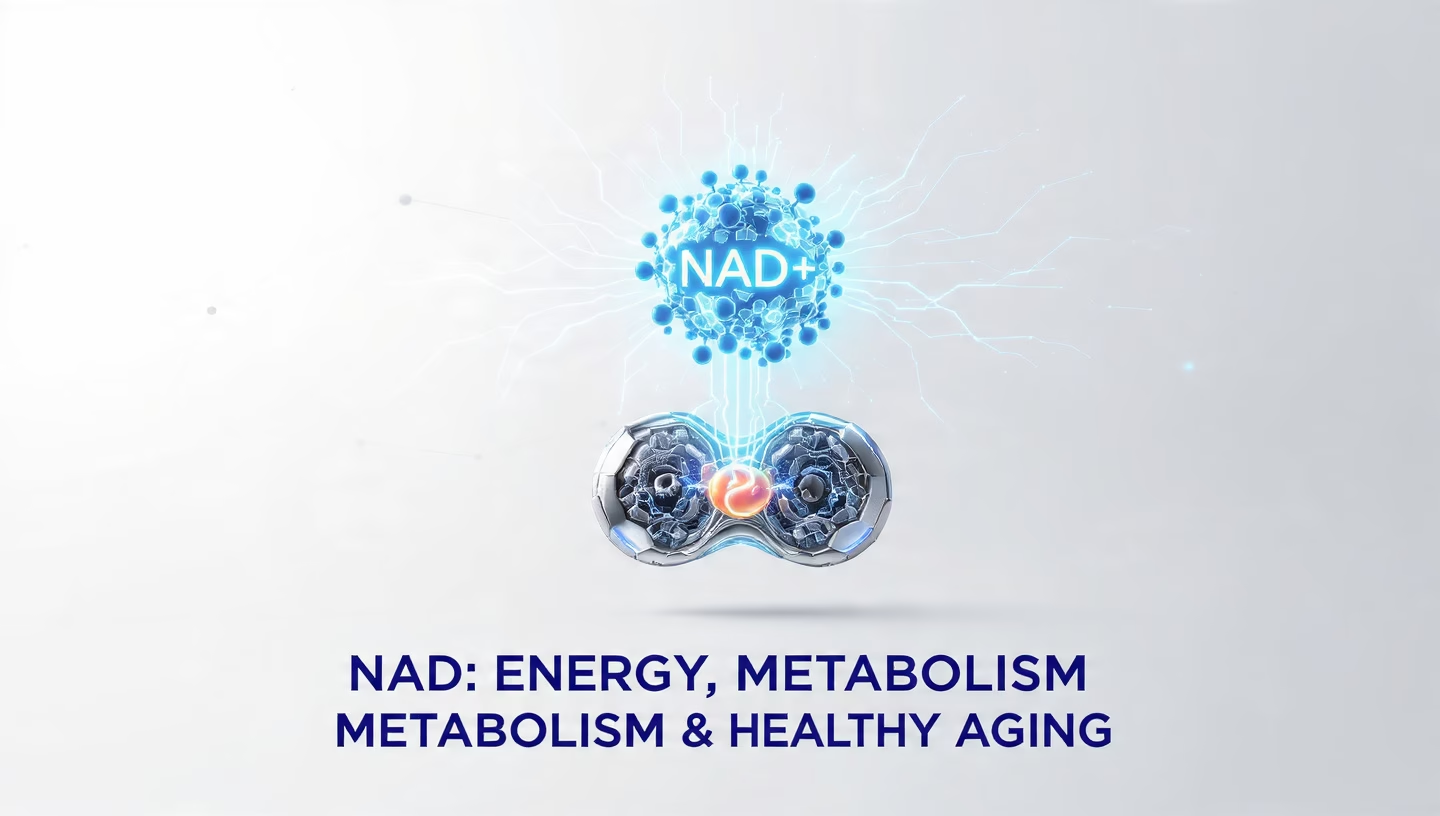
In the rapidly evolving field of anti-aging and regenerative medicine, few molecules have garnered as much attention as Nicotinamide Adenine Dinucleotide (NAD+). Once a quiet cornerstone of high school biology textbooks, NAD+ is now recognized as a “master regulator” of human health.
From professional athletes looking for a performance edge to biohackers aiming to extend their “healthspan,” everyone is asking the same question: How can I get more NAD+? In this comprehensive guide, we will explore the science of cellular energy, why our levels vanish as we age, and the most effective ways to restore this vital coenzyme.
What is NAD+? Understanding the Science of Cellular Life
To understand NAD+, you have to look at the mitochondria—the power plants of your cells. NAD+ exists in every living cell and is essential for the transfer of energy from the food we eat to the cells that need it.
The Redox Cycle: NAD+ vs. NADH
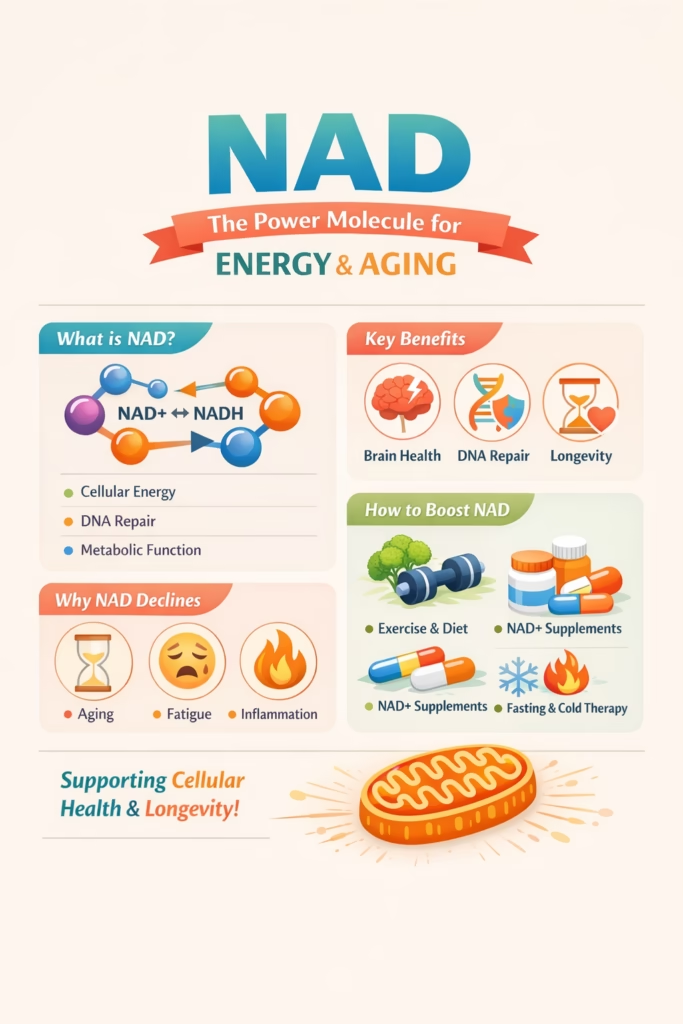
Biochemically, NAD+ acts as an electron carrier. It exists in two states: NAD+ (the oxidized form) and NADH (the reduced form). Think of it like a reusable battery.
- NAD+ is the “empty” battery ready to be charged.
- NADH is the “full” battery carrying high-energy electrons.
This constant cycling—known as redox reactions—is what allows your body to generate ATP (Adenosine Triphosphate). Without this cycle, your heart wouldn’t beat, your lungs wouldn’t expand, and your brain would cease to function.
The Biological Crisis: Why NAD+ Declines as We Age
Research indicates that by the time you reach middle age, your NAD+ levels have dropped by as much as 50%. This isn’t just a number; it’s a primary driver of what scientists call “hallmarks of aging.”
1. The “Drain” Problem (CD38 and Inflammation)
As we age, our bodies experience a low-grade, chronic state of inflammation often called “inflammaging.” This process activates an enzyme called CD38, which is a massive consumer of NAD+. Essentially, your body’s attempt to fight inflammation “steals” the fuel needed for energy and repair.
2. The “Supply” Problem (The Salvage Pathway)
The body creates NAD+ through several routes, but the most important is the Salvage Pathway. This system recycles used nicotinamide back into active NAD+. Unfortunately, the key enzyme in this process (NAMPT) becomes less active as we age, creating a supply-chain bottleneck at the cellular level.


5 Critical Roles of NAD+ in Human Health
1. Activating Sirtuins: The Longevity Genes
Sirtuins are a family of seven proteins (SIRT1–SIRT7) that govern cellular health. They are responsible for turning genes on and off, protecting cells from stress, and regulating the aging process. However, Sirtuins are NAD-dependent. Without enough NAD+, your sirtuins “go to sleep,” leaving your cells vulnerable to decay.
2. PARP Activation and DNA Repair
Every single day, your DNA suffers thousands of tiny breaks due to environmental toxins and UV radiation. Enzymes called PARPs (Poly ADP-Ribose Polymerases) are the first responders that fix these breaks. PARPs require massive amounts of NAD+ to function. If your NAD+ is low, your DNA repair slows down, leading to the mutations that drive chronic disease.
3. Mitochondrial Biogenesis
NAD+ doesn’t just help mitochondria work; it helps you grow new ones. By boosting NAD+, you can improve the density of mitochondria in your muscle and brain tissue, leading to higher physical stamina and better metabolic health.
4. Circadian Rhythm Regulation
Have you ever wondered why your sleep suffers as you get older? NAD+ helps regulate your body’s internal clock. It interacts with the proteins that control your sleep-wake cycle, ensuring that your metabolism is high during the day and your repair processes are active at night.
5. Neuroprotection and Cognitive Function
The brain is the most energy-demanding organ in the body. NAD+ supports neuronal survival by reducing oxidative stress in the brain. Low levels are frequently linked to “brain fog” and are being studied for their connection to neurodegenerative conditions like Alzheimer’s and Parkinson’s.
How to Increase NAD+ Levels: Supplements vs. Lifestyle
Because NAD+ is a large molecule, it is difficult for the body to absorb directly through oral supplements. Instead, we use “precursors”—smaller molecules that the body easily converts into NAD+.
The Precursor Showdown: NMN vs. NR
- NMN (Nicotinamide Mononucleotide): Considered the “closest” precursor to NAD+. Recent studies suggest NMN is highly effective at raising intracellular NAD+ and improving muscle insulin sensitivity. High-quality options include 99% Pure NMN or NMN with Resveratrol.
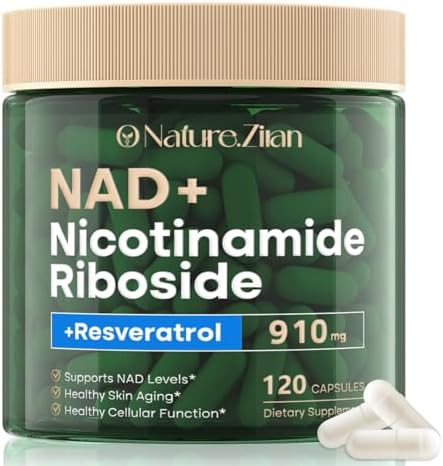
- NR (Nicotinamide Riboside): One of the most researched precursors, NR is highly bioavailable and has been shown in human trials to safely increase NAD+ levels in the blood. It is often found in advanced liposomal formulas to prevent degradation in the stomach.


Natural Ways to Boost NAD+
If you’re not ready for supplements, you can stimulate your body’s natural production:
- Intermittent Fasting: Periods of hunger signal the body to conserve energy and increase NAD+ production to activate survival genes.
- HIIT Training: Intense exercise creates a temporary energy deficit, forcing the cells to produce more NAD+ to keep up with the demand.
- Cold Exposure: Cold plunges or cryotherapy activate “brown fat,” which uses high amounts of NAD+ for thermogenesis.
- Dietary Sources: While trace, foods like broccoli, avocado, and cabbage contain small amounts of NMN, while dairy is a source of NR.
The Rise of Wellness Diagnostics: Testing Your NAD+
In the past, you had to guess if your supplements were working. Today, NAD+ testing is becoming a standard part of longevity panels.
Why Test?
- Baseline Accuracy: Know your “biological age” before starting a protocol.
- Dosage Optimization: Some people need 250mg of NMN, while others require 1000mg to see a shift in their cellular levels.
- Monitoring Inflammation: High-sensitivity C-Reactive Protein (hs-CRP) tests are often paired with NAD tests to see if inflammation is “draining” your levels.
Safety, Side Effects, and Common Myths
Is NAD+ safe? Most human trials on NMN and NR show they are remarkably well-tolerated at dosages up to 1000mg per day. However, it is always recommended to consult with a healthcare provider, especially if you have a history of metabolic disorders.
Myth: “NAD+ Infusions are Better Than Pills”
The Reality: While IV drips provide 100% bioavailability, they are expensive and the effects are often transient. Daily oral precursors like liposomal NAD+ provide a steady, consistent “drip” to your cells at a fraction of the cost.
Myth: “You Don’t Need NAD+ Until You’re Old”
The Reality: Preventative health is the hallmark of biohacking. Starting to support your cellular pathways in your 30s can help maintain the genomic stability that prevents the rapid decline seen in later decades.
Conclusion: Investing in Your Cellular Future
The science is clear: NAD and longevity are two sides of the same coin. By understanding how to protect your NAD+ levels through a combination of smart supplementation, rigorous exercise, and metabolic testing, you aren’t just living longer—you’re living better.
As we move into 2026, the focus is shifting from “treating disease” to “optimizing function.” NAD+ is the foundational fuel for that optimization.
Would you like me to draft a 7-day “NAD+ Boosting Lifestyle Plan” including specific meal and exercise recommendations?