











Arachidonic acid (ARA) is a polyunsaturated omega-6 fatty acid that plays a crucial role in various physiological processes within the human body. Its chemical formula, C20H32O2, consists of 20 carbon atoms, with four double bonds that classify it as a highly unsaturated fatty acid. ARA is synthesized from linoleic acid, primarily obtained from dietary sources, and can be found in foods such as meat, eggs, and dairy products. This fatty acid is a vital component of cell membranes and is especially abundant in the brain, where it contributes to many neurological functions.
Thank you for reading this post, don't forget to subscribe!In terms of its biological significance, arachidonic acid serves as a precursor for the synthesis of various eicosanoids, which include prostaglandins, thromboxanes, and leukotrienes. These bioactive lipids are involved in a myriad of physiological responses, including inflammation, immune responses, and cell signaling. ARA’s role in inflammation is particularly noteworthy, as it can lead to the production of pro-inflammatory eicosanoids, which are critical for managing inflammatory processes in the body. However, while inflammation is essential for healing and defense mechanisms, excessive levels can lead to chronic inflammatory conditions.
Moreover, the balance of arachidonic acid with omega-3 fatty acids, primarily sourced from fish and flaxseed, is vital for maintaining overall health. Omega-3 fatty acids exert anti-inflammatory effects, counterbalancing the pro-inflammatory actions of ARA. Thus, a proper dietary balance between omega-6 and omega-3 fatty acids is essential for optimal cellular function and overall well-being. Understanding the role of arachidonic acid in the body’s biochemistry lays the groundwork for appreciating its impact on muscle growth, brain function, and the modulation of inflammation.
Arachidonic Acid and Muscle Growth: The Inflammation Connection
Arachidonic acid (ARA) plays a crucial role in muscle growth and recovery, primarily through its involvement in inflammation signaling pathways. Following intense exercise, muscle fibers sustain damage, which is a natural and essential part of the muscle-building process known as hypertrophy. The body responds to this muscle damage by initiating an inflammatory response, which includes the recruitment of various cellular components necessary for repair and growth.
One of the key mechanisms by which ARA contributes to muscle recovery is through the synthesis of prostaglandins, lipid compounds that have potent effects on inflammation and tissue repair. Prostaglandins derived from ARA help modulate the inflammatory response, promote muscle repair, and enhance the overall recovery process following strenuous activities. This inflammation is not merely a byproduct to be avoided; rather, it is a vital component of muscle adaptation and growth.
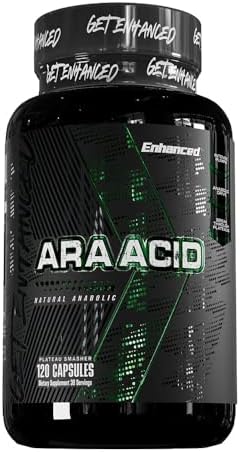



Inadequate levels of ARA can lead to insufficient inflammatory signaling, which may hinder muscle recovery and growth potential. For athletes and individuals engaged in regular resistance training, ARA supplementation may serve as a beneficial strategy to optimize inflammation modulation. By enhancing the inflammatory response when needed, ARA can help increase muscle protein synthesis and potentially lead to greater muscle gains.
Furthermore, understanding the balance between inflammation and recovery is essential. While acute inflammation is necessary for muscle repair, chronic inflammation can be detrimental, underscoring the importance of ARA in facilitating a healthy inflammatory response. Therefore, incorporating proper sources of arachidonic acid, either through diet or supplementation, can enhance workout performance and promote efficient muscle growth, making it an important nutrient for those focused on maximizing their physical potential.
The Role of Arachidonic Acid in Brain Development and Neural Health
Arachidonic acid (ARA) is a polyunsaturated fatty acid that plays a vital role in brain development and health. Present in high concentrations within the brain, ARA is integral to the structure and fluidity of neuronal cell membranes, ensuring optimal function of neural networks. This fluidity is critical for synaptic transmission, which underpins many cognitive processes, including learning, memory, and decision-making. As such, adequate levels of arachidonic acid are essential for maintaining cognitive performance.
In addition to supporting the structural aspects of brain cells, arachidonic acid is also involved in the signaling pathways that regulate numerous brain functions. It influences neurotransmitter release and modulates interactions between neurons, which are crucial for cognitive flexibility and overall mental agility. Furthermore, research indicates that ARA has a significant impact on mood and emotional well-being. Maintaining balanced levels of this fatty acid can help mitigate stress responses and improve mood coherence, which is particularly relevant for athletes and individuals experiencing high physical demands.
The connection between arachidonic acid and neural health extends to its role in neuroinflammation. ARA is a precursor to several eicosanoids, signaling molecules that can either promote or reduce inflammation within the brain. This ability to modulate inflammatory responses is critical, given that chronic inflammation is linked to various neurological disorders. Ensuring proper arachidonic acid levels may therefore not only support effective recovery from stress and physical exertion, but also contribute to a resilient and healthy brain.

- STIMULATE LEAN MUSCLE GROWTH: Arachidone is a new yet potent natural muscle-building supplement. It supports both new an…
- INCREASE STRENGTH & POWER: By using Arachidone, you’ll be able to increase your strength and power. It’s the perfect pro…
- BACKED BY SCIENCE: The active ingredient in this product is Arachidonic Acid, which has been clinically proven to work. …
Supplementation: Guidelines, Myth-Busting, and Safety Considerations
Arachidonic acid (AA) supplementation is gaining traction among athletes and fitness enthusiasts for its potential role in muscle growth, brain health, and inflammation management. To optimize the benefits of arachidonic acid, it is crucial to understand proper guidelines for supplementation, including optimal dosing and timing. Generally, a daily dosage of 150 to 300 milligrams is recommended, although individual needs might vary based on body weight and specific goals. Taking it with high-quality proteins can enhance its absorption.
Timing is also vital; many suggest consuming arachidonic acid post-workout, alongside other performance-enhancing supplements such as creatine and phosphatidic acid. Combining these substances may amplify muscle hypertrophy and improve recovery. However, it is important to approach supplementation thoughtfully. While arachidonic acid has substantial benefits, misconceptions often cloud its utility. For example, a myth suggests that arachidonic acid supplementation necessarily leads to increased body fat; in reality, it is the overall caloric balance that contributes to weight gain.
Individuals with certain health issues, such as inflammatory diseases or heightened cardiovascular risks, should avoid arachidonic acid supplementation without consulting a healthcare professional. Due to its inflammatory properties, those prone to excessive inflammation or allergic reactions might experience adverse effects. Thus, a prudent approach is necessary for those considering this supplement.



Ultimately, whether arachidonic acid supplementation is worth a trial depends on personal fitness goals, health status, and dietary habits. As with any supplement, conducting thorough research and possibly consulting with a healthcare provider will yield the best results. To clarify additional aspects, a FAQ segment can address common questions regarding dosage, safety, and potential interactions. This comprehensive approach ensures informed decisions are made concerning the inclusion of arachidonic acid in dietary regimens.