








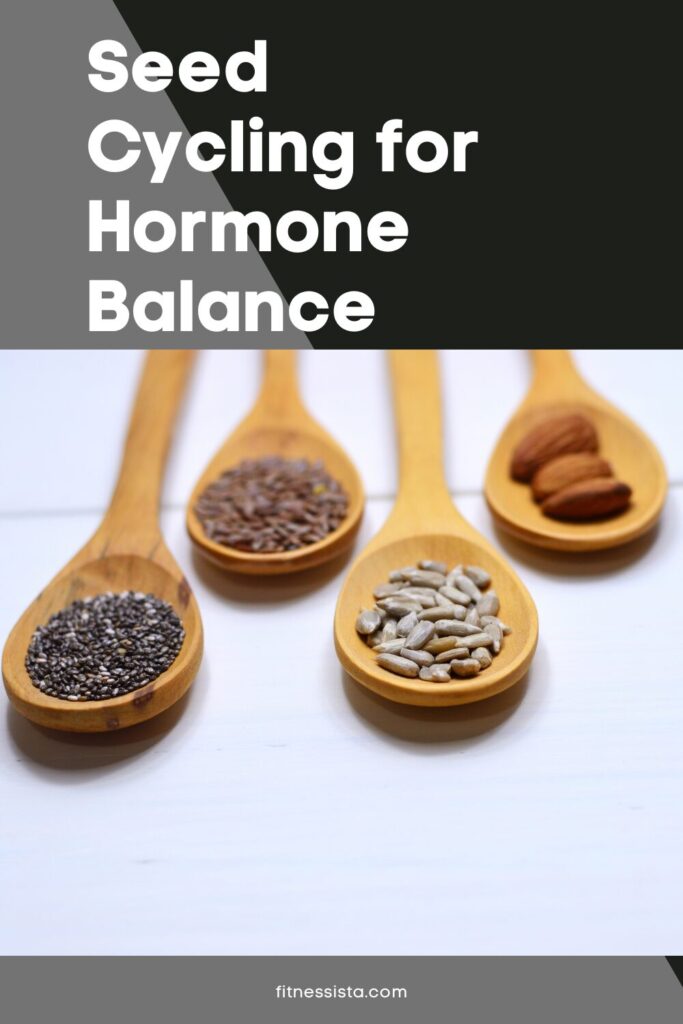
Discover how seed cycling naturally supports hormonal balance. Find out what seeds to eat, when to eat them, and how to start this simple daily ritual. Not medical advice; just share some tips and, as always, talk to your doctor before changing your routine.
Hello friends! How are you doing? Hope you’re having a lovely morning so far! Don’t forget to check out this year’s holiday guide gift for her. I had so much fun putting this one together!
Today I wanted to talk about a natural hormone support strategy that has been growing in popularity in recent years: seed cycling!
It’s one of those gentle, diet-based strategies that’s trendy in the women’s wellness space for good reason: It’s simple, inexpensive, and can make a noticeable difference in how you feel throughout your cycle.
Today I wanted to chat a little about what seed cycling is, how it supports hormonal balance, and how to get started, including tips on which seeds to use, when to eat them, and how to make them an easy part of your routine.
Seed cycle for hormonal balance: what is it and how to start
What is seed cycling?
Seed cycling is a natural practice that uses specific types of seeds to support the two main phases of your menstrual cycle: the follicular phase (first half) and the luteal phase (second half).
Each group of seeds contains nutrients that can help support healthy levels of estrogen and progesterone, which are two of the key hormones that fluctuate during your cycle. By rotating the seeds according to the phase of your cycle, you provide your body with a constant rhythm of hormonal support.
Seed cycling may also benefit women who are experiencing irregular cycles, perimenopausal changes, or hormonal imbalance symptoms like mood swings, acne, PMS, or fatigue.
How the seed cycle works
The idea behind seed cycling is that different seeds provide nutrients that naturally help balance hormones throughout the month:
During the follicular phase (days 1 to 14):
Flax seeds and pumpkin seeds are used.
These seeds contain lignans and zinc, which may help support healthy estrogen metabolism and follicle development.
Flaxseeds also contain fiber and omega-3 fatty acids that may support detoxification and reduce inflammation.
During the luteal phase (days 15 to 28):
Sesame seeds and sunflower seeds are used.
Sesame seeds provide zinc and lignans that help prevent estrogen dominance, while sunflower seeds are rich in selenium and vitamin E to support progesterone production and overall hormonal balance.
If you don’t have periods or your cycles are irregular, you can simply follow the moon cycle: start flax and pumpkin at the new moon and move on to sesame and sunflower at the full moon.
Benefits of seed cycling for hormonal balance
Although seed cycling is not a magical cure-all, many women report significant benefits when they stay consistent.
Here are some of the ways it can help:
Support the production and metabolism of natural hormones
May reduce PMS symptoms such as bloating, mood swings and breast tenderness
May encourage regular cycles and ovulation
May improve skin and reduce inflammation
Provides fiber, healthy fats and minerals for overall well-being
Because it is food-based, seed cycling is a gentle approach. It works better over time and pairs wonderfully with other hormone-balancing habits like blood sugar balance, stress management and quality sleep.
How to start the seed cycle
You can easily add seed cycling to your daily routine; no fancy extras required!
Step 1: Choose your seeds
Follicular phase: ground flax seeds + raw pumpkin seeds
Luteal phase: raw sesame seeds + raw sunflower seeds
Step 2: Use the right amounts
Aim for about 1 tablespoon of each seed per day.
That’s 2 tablespoons total per day: one of each type in your current phase.
Step 3: Grind for Maximum Benefit
It is best to grind flax and sesame seeds for better nutrient absorption. You can use a small coffee grinder and store them in the refrigerator or freezer.
Step 4: Add to your meals
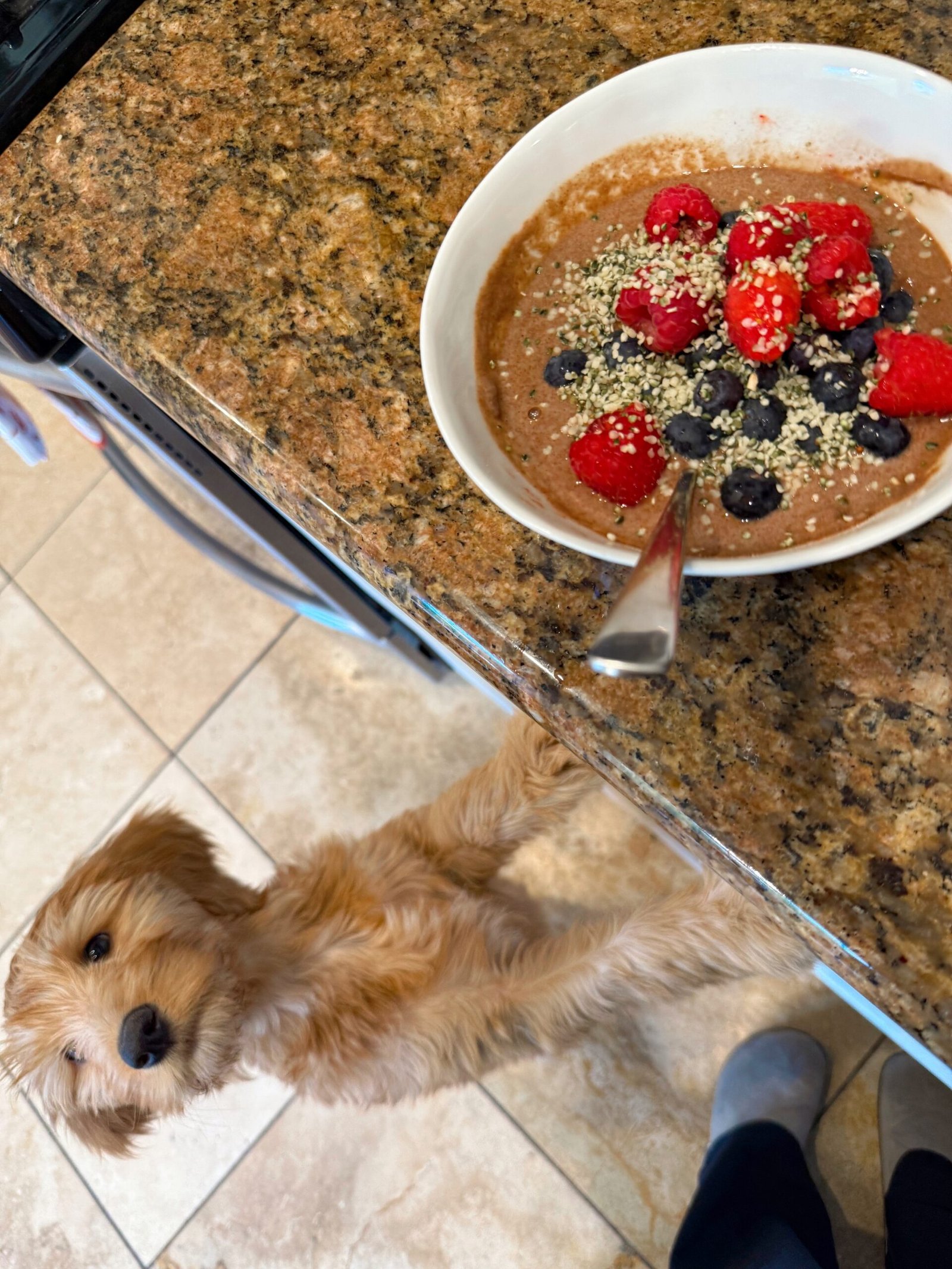
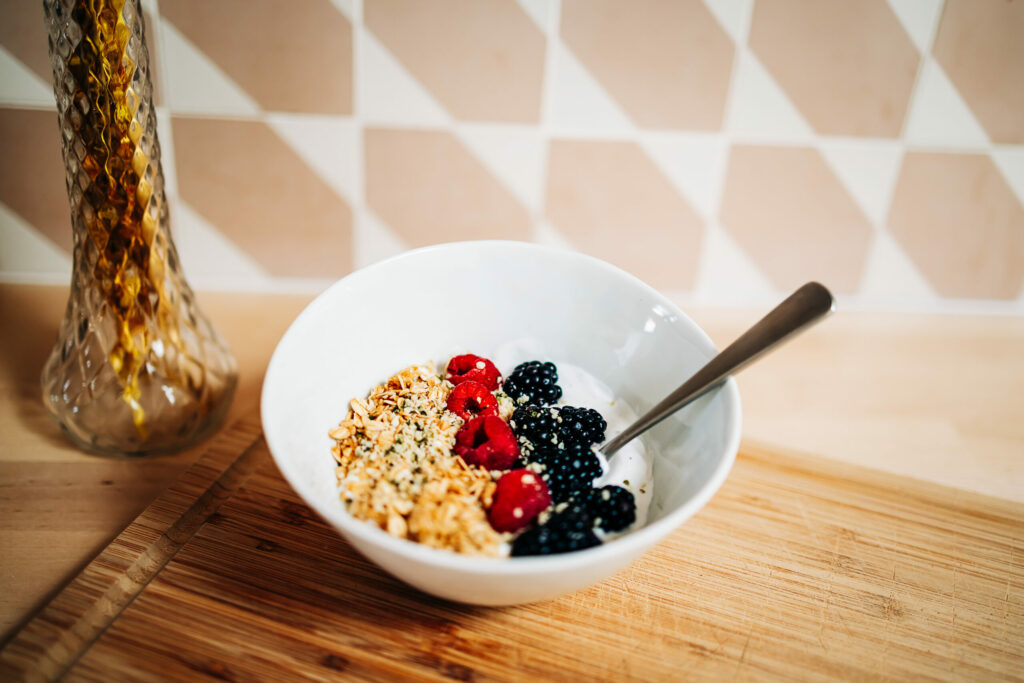
Sprinkle the seeds into smoothies, yogurt, oatmeal or salads. You can even mix them into energy bites or protein puddings for an easy snack.
Step 5: Stay Consistent
It may take 2-3 cycles to notice changes, so consistency is key. Combine it with a balanced diet, hydration and stress management for best results.
Tips for success
Buy organic seeds when possible to reduce exposure to pesticides. (I buy almost all of our nuts and seeds from NOW food)
Store your seeds in a cool, dry place or in the refrigerator to keep the oils fresh.
Use reminders or a seed cycle chart to help you stay on track.
Combine seed cycling with other hormone-supporting practices like castor oil packs, red light therapy and functional laboratory tests for a more global approach.
Who can benefit from seed cycling?
Seed cycling can be useful for:
Women experiencing PMS, cramps or heavy periods
Those experiencing symptoms of perimenopause or after taking the pill
Women with irregular cycles or fertility problems
Anyone looking for a gentle, natural habit to balance their hormones
Because it is based on whole foods, most women can safely incorporate seed cycling into their daily routine. If you have specific hormonal issues, talk to your practitioner before starting any new regimen.
Seed cycling is one of those simple wellness practices that can make a big difference over time. It’s affordable, accessible, and a great way to connect more deeply with your body’s natural rhythm.
Have you tried seed cycling? What was your experience? Any advice to share?
xo
Gina
Find out more: see my article on functional laboratory tests or biohacking tools like castor oil packs, red light therapy, and detox support from my favorite brands like EquiLife and HigherDOSE.