








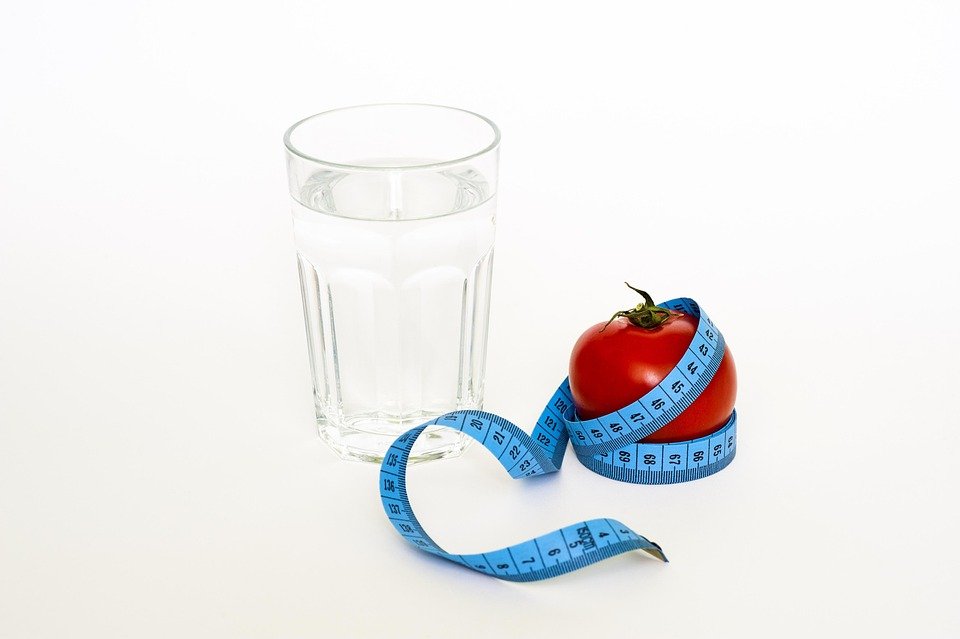



In an era where information is abundant, weight loss myths continue to circulate, often leading people to adopt ineffective or even harmful practices. This article aims to debunk several common weight loss myths using scientific evidence, helping you to navigate through the conflicting information on the topic and make informed decisions about your weight loss journey.
Thank you for reading this post, don't forget to subscribe!Myth 1: Carbs Make You Gain Weight
One of the most pervasive beliefs is that carbohydrates are the enemy of weight loss. However, research shows that not all carbs are created equal. Simple carbohydrates, found in sugary snacks and beverages, can spike insulin levels and lead to weight gain.
In contrast, complex carbohydrates, such as whole grains, fruits, and vegetables, provide essential nutrients and fiber that can help maintain a healthy weight. A study published in the “American Journal of Clinical Nutrition” found that whole grains may actually aid in weight loss and metabolic health.
Myth 2: Eating Late at Night Causes Weight Gain
Eating late at night has long been associated with weight gain. While it is true that many people who eat late at night tend to choose unhealthy snacks, the timing of eating alone does not directly cause weight gain. Research published in the “Obesity Research & Clinical Practice” journal found that what you consume, not when you consume it, plays a more significant role in weight loss. A balanced diet is crucial, regardless of the time of day.
Myth 3: You Have to Starve Yourself to Lose Weight
Another popular belief is that severe calorie restriction is necessary for weight loss. In reality, drastically cutting calories can slow down your metabolism, making it harder to lose weight in the long run. A study in the “Journal of Clinical Endocrinology & Metabolism” highlighted that moderate calorie deficits are more effective than extreme ones for sustainable weight loss.
Instead of starving, focusing on nutrient-dense foods and portion control can lead to healthier weight loss outcomes.
Myth 4: Exercise Alone is the Key to Weight Loss
Exercise is vital for overall health, but it is often overemphasized as the sole contributor to weight loss. Research indicates that diet plays a more significant role in weight management. A study published in “Obesity” found that individuals who rely solely on exercise for weight loss often struggle to achieve their goals compared to those who combine dietary changes with physical activity.
Finding a balance between diet and exercise is crucial for effective weight management.
Myth 5: Weight Loss Supplements are a Miracle Solution
With the weight loss supplement industry booming, many people believe that these products can be the answer to their struggles. However, many supplements lack scientific evidence supporting their efficacy and safety. A review in “Critical Reviews in Food Science and Nutrition” revealed that the majority of over-the-counter weight loss supplements have little to no positive impact on fat loss.
Natural, whole foods are the best options for losing weight healthily and sustainably.
Myth 6: All Fats are Bad
Fats have been vilified in diet culture for years, but research demonstrates that not all fats are bad. Healthy fats, such as those found in avocados, nuts, seeds, and olive oil, can help improve heart health and may even aid weight loss. A meta-analysis in the “American Journal of Clinical Nutrition” showed that diets high in healthy fats could lead to significant weight loss.
Incorporating moderate amounts of these healthy fats into your diet may enhance satiety and provide essential nutrients.
Conclusion
Debunking these myths is essential for developing a healthy, sustainable approach to weight loss. The science shows that a balanced diet, combined with regular exercise, is the best strategy for achieving and maintaining a healthy weight. Remember that weight loss is not a one-size-fits-all approach; what works for one person may not work for another. Always consult with a healthcare professional or a registered dietitian for personalized advice.
FAQs
1. Can I lose weight without exercise?
Yes, it is possible to lose weight without exercise by focusing on a balanced diet and maintaining a calorie deficit. However, exercise enhances overall health and can speed up weight loss.
2. Are all diets effective for weight loss?
Not all diets are effective for everyone. Individual preferences, lifestyles, and health conditions can influence the effectiveness of a diet.
3. Is intermittent fasting effective for weight loss?
Intermittent fasting can aid weight loss for some people, as it may help reduce calorie intake. However, its effectiveness varies by individual.
4. How can I maintain weight loss long-term?
Long-term weight maintenance involves adopting a healthy lifestyle, which includes balanced eating, regular physical activity, and being mindful of portion sizes.
5. What should I do if I hit a weight loss plateau?
If you hit a plateau, consider reassessing your calorie intake, modifying your exercise routine, or consulting a healthcare professional for personalized guidance.