









Weight loss is one of the most sought-after goals in today’s health-conscious society. But with so much conflicting information available, identifying a sustainable approach can seem overwhelming. This guide aims to provide you with practical strategies to transform your life and achieve long-term weight loss success.
Thank you for reading this post, don't forget to subscribe!Understanding Weight Loss
Weight loss occurs when you consume fewer calories than your body burns. This process might seem straightforward, but it involves a multitude of factors, including metabolic rates, lifestyle choices, emotional triggers, and even genetics. Understanding these elements is crucial for creating a sustainable weight loss plan.
The Psychology of Weight Loss
Before diving into diets and exercise plans, it’s essential to address the psychological aspect of weight loss. Emotional eating can undermine your efforts. Strategies such as mindfulness and cognitive behavioral therapy (CBT) can be invaluable tools to help manage your thoughts and feelings around food.
Setting Realistic Goals
Setting achievable goals is vital for maintaining motivation throughout your journey. Rather than focusing solely on a number on the scale, consider goal-setting based on behavior, such as:
- Exercising 4 times a week
- Cooking at home 5 days a week
- Incorporating more fruits and vegetables into your diet
These small, actionable goals can lead to more significant changes over time.
Creating a Balanced Diet
Nutrition plays a crucial role in weight loss. Here are some tips for creating a balanced eating plan:
1. Focus on Whole Foods
Opt for whole, unprocessed foods such as fruits, vegetables, lean proteins, and whole grains. These foods are nutrient-dense and will keep you full longer.
2. Portion Control
Pay attention to portion sizes. Use smaller plates and serving sizes to help control the quantity of food you consume.
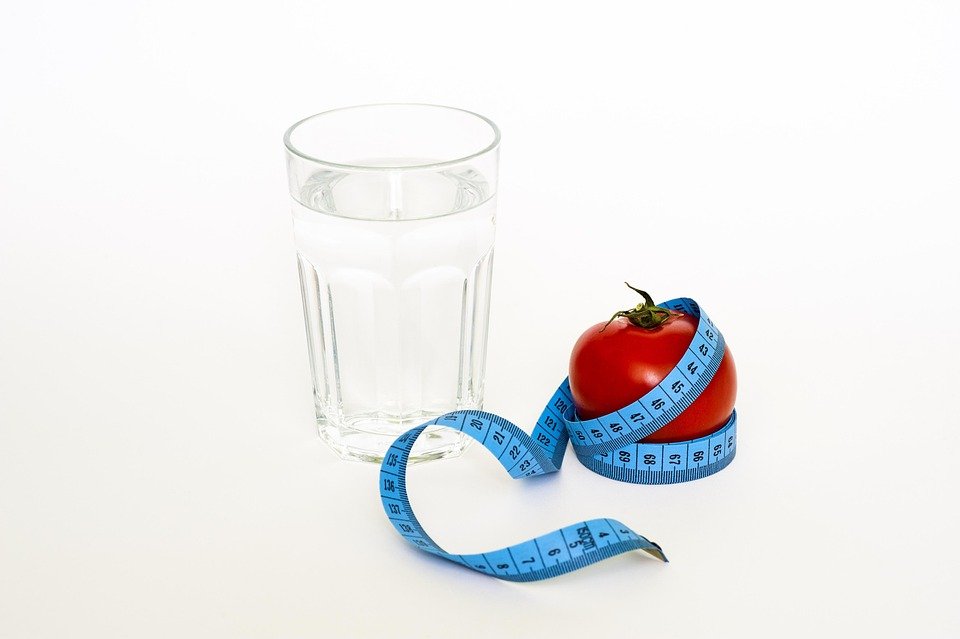
3. Hydration
Drink plenty of water throughout the day. Sometimes, our bodies confuse thirst for hunger, leading to unnecessary snacking.
4. Meal Planning
Plan your meals ahead of time to avoid impulsive eating choices. Preparing healthy meals can save time and help you stay on track.
Exercise: The Missing Piece
Incorporating regular physical activity is essential for sustainable weight loss. Aim for a combination of cardiovascular exercises, strength training, and flexibility workouts.
1. Find Activities You Enjoy
Exercise doesn’t have to be a chore. Whether it’s dancing, hiking, or swimming, partaking in activities you love can make exercise feel enjoyable rather than obligatory.
2. Set a Routine
Create a workout schedule that fits your lifestyle. Consistency is vital, so find times that work for you and stick to them.
Monitoring Progress
Keep track of your progress through methods like journaling or apps. Monitoring not only helps you stay accountable but also allows you to celebrate small milestones along the way.
Building a Support System
Having a support network can significantly boost your motivation. Share your goals with friends, family, or join a weight loss support group. Engaging with like-minded individuals can help you stay accountable and inspired.
Overcoming Obstacles
Challenges are inevitable in any weight loss journey. From plateaus to emotional setbacks, it’s essential to have strategies in place to navigate these hurdles. Focus on resilience and remind yourself of your ultimate goals.
Maintaining Your Weight Loss
After achieving your desired weight, the journey isn’t over. Establishing healthy habits and making lifestyle adjustments are crucial for maintaining weight loss long-term. Gradually reintroduce some of the foods you may have restricted during your diet but keep moderation in mind.
Conclusion
Transforming your life through sustainable weight loss is a holistic journey that involves not just diet and exercise but also psychological and emotional well-being. By setting realistic goals, creating balanced eating habits, integrating physical activity, and building a support system, you can achieve a healthier lifestyle that lasts. Remember, it’s not just about losing weight but about gaining life.
FAQs
1. How quickly can I expect to lose weight?
Weight loss varies from person to person. A healthy rate is typically 1-2 pounds per week.
2. Do I need to count calories?
While monitoring is helpful for some, focusing on whole foods and portion sizes can be more effective for sustainable weight loss.
3. Can I lose weight without exercising?
While exercise enhances weight loss, diet largely influences it. However, incorporating physical activity improves overall health.
4. What happens if I hit a weight loss plateau?
Plateaus are normal. Evaluate your diet and exercise routine, and consider mixing things up to reignite progress.
5. How important is hydration in weight loss?
Staying hydrated is crucial. Water helps regulate hunger and supports your body’s metabolic processes.