








Eating a balanced diet is crucial for maintaining overall health and wellness. However, with a myriad of diets and nutritional advice available, it can be overwhelming to determine the right plan for you. This guide aims to simplify the process while providing tips, strategies, and insights to help you transform your plate into a balanced one.
Thank you for reading this post, don't forget to subscribe!Understanding Balanced Diets
A balanced diet is one that provides the nutrients your body needs to function effectively. This includes a variety of foods from different groups to ensure you’re getting the necessary macronutrients (carbohydrates, proteins, fats) and micronutrients (vitamins, minerals).
Key Components of a Balanced Diet
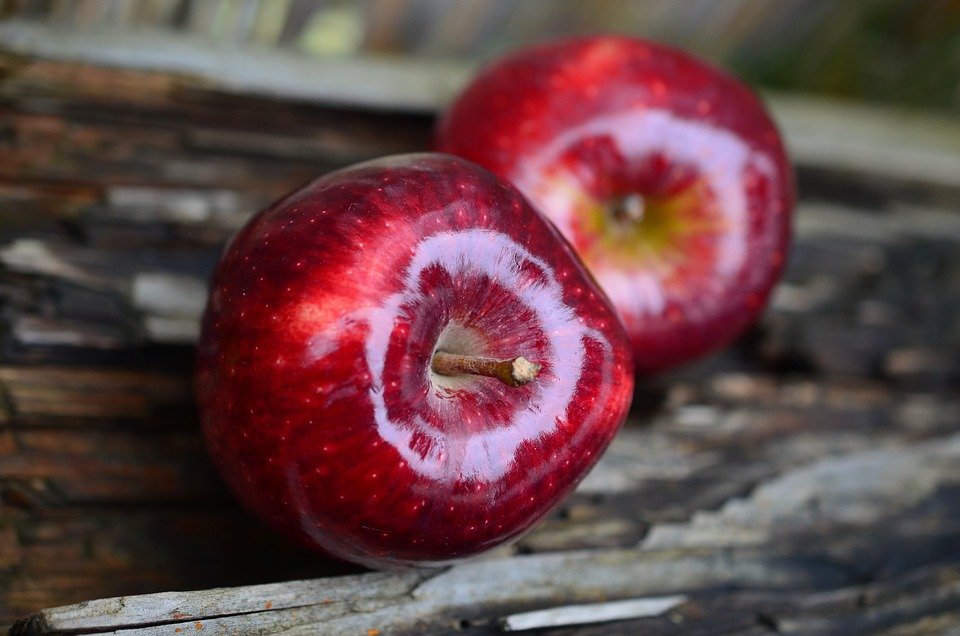
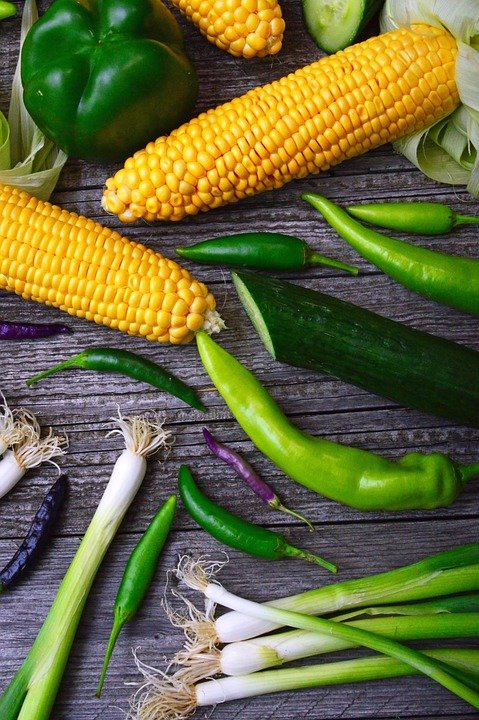
- Fruits and Vegetables: Aim for at least five portions a day. These foods are rich in vitamins, minerals, and antioxidants.
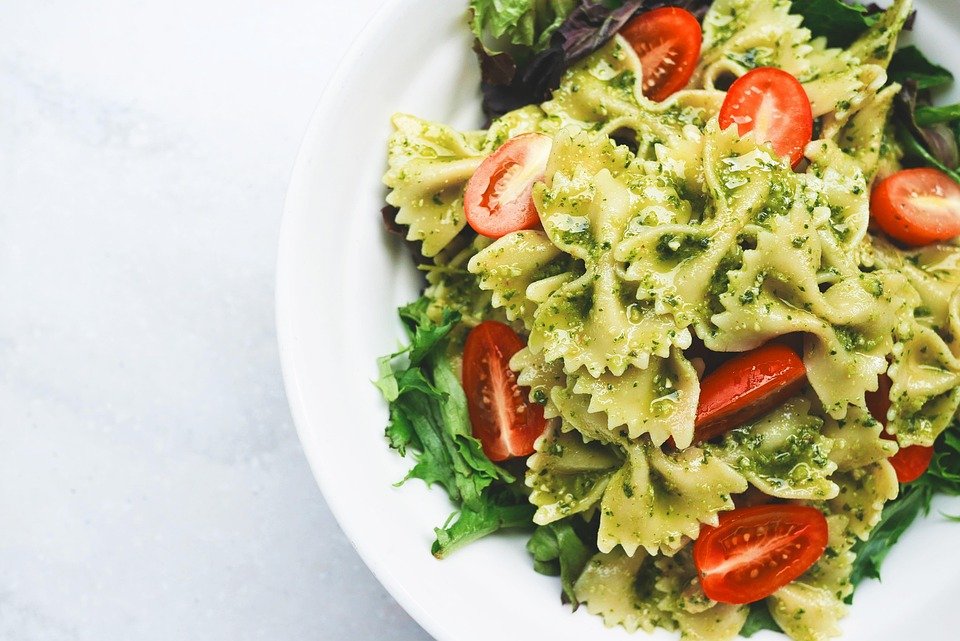
- Whole Grains: Choose whole and unprocessed grains like brown rice, quinoa, and whole wheat bread. They provide essential fiber.
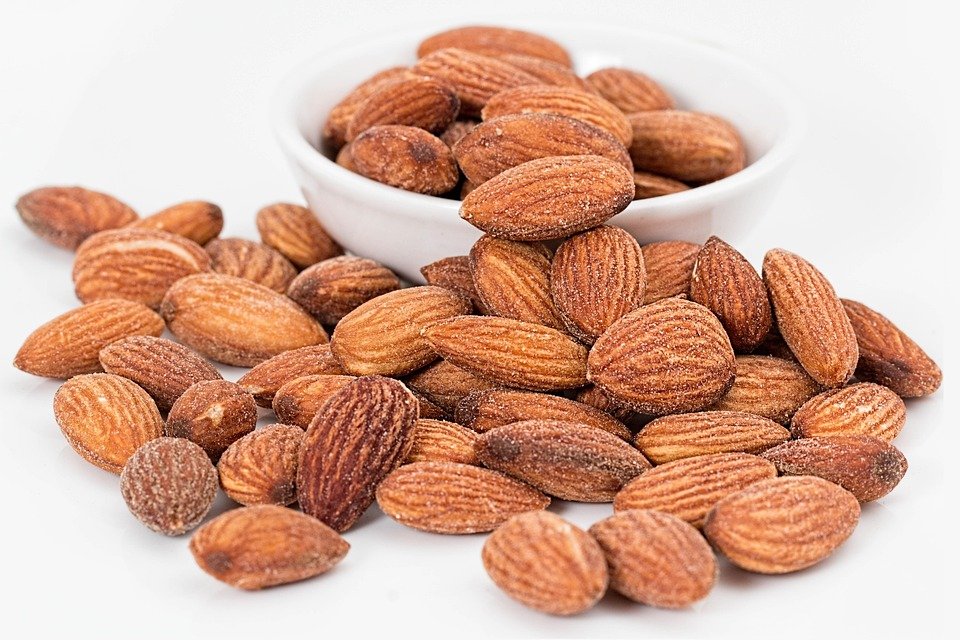
- Proteins: Incorporate lean meats, fish, eggs, legumes, and nuts to fulfill your body’s protein requirements.
- Dairy: Include low-fat or fat-free dairy options for calcium and vitamin D.
- Healthy Fats: These can be found in avocados, olive oil, nuts, and fatty fish. They are essential for heart health.
Benefits of a Balanced Diet
Switching to a balanced diet can yield numerous benefits:
- Weight Management: Consuming balanced meals helps control appetite and prevent overeating.
- Improved Mood: Nutritional balance has been linked to better mental health and mood stability.
- Enhanced Energy Levels: Sufficient nutrition provides the energy needed for daily activities and exercise.
- Stronger Immune System: A variety of nutrients can enhance immune function and reduce the risk of illness.
Steps to Create Your Balanced Plate
Creating a balanced plate doesn’t have to be complicated. Here are some steps to guide you:
1. Plan Your Meals
Spend some time each week planning your meals. This can help you make healthier choices and avoid last-minute unhealthy snacks.
2. Portion Control
Use a plate method to guide your portions. Fill half your plate with fruits and vegetables, one quarter with protein, and one quarter with whole grains.
3. Be Mindful of Snacking
Choose healthy snacks such as fruits, nuts, or yogurt instead of processed options. This helps maintain your energy and nutrient intake throughout the day.
4. Stay Hydrated
Drink plenty of water, aiming for 8-10 glasses per day. Hydration is essential for overall health and aids in digestion.
Common Diet Plans Explained
There are various popular diet plans, many of which can be balanced. Here’s a brief overview:
1. Mediterranean Diet
This diet emphasizes whole grains, healthy fats (such as olive oil), fish, fruits, and vegetables, making it a heart-healthy choice.
2. Plant-Based Diet
Focusing predominantly on plant foods, this diet encourages fruits, vegetables, whole grains, and legumes while minimizing meat and dairy.
3. DASH Diet
Originally designed to combat high blood pressure, the Dietary Approaches to Stop Hypertension (DASH) diet emphasizes whole foods, lean protein, and low sodium.
4. Balanced Plate Diet
This approach promotes balanced meals featuring all food groups in appropriate portions, allowing for flexibility and sustainability.
Making Changes Sustainable
Transforming your diet doesn’t happen overnight. Implement changes gradually and focus on creating habits rather than following strict rules. Here are some tips:
- Start Small: Begin with one meal or snack at a time.
- Track Your Progress: Keeping a food journal can help you stay accountable and visualize your progress.
- Find Support: Seek support from friends, family, or dietary professionals to keep you motivated and on track.
Conclusion
Transforming your plate into a balanced diet is not just about what you eat, but how you eat. By focusing on a variety of foods that provide necessary nutrients while being mindful of portions and hydration, you can improve your overall health and well-being. Remember, it’s about progress, not perfection, so embrace the journey toward a healthier lifestyle.
FAQs
1. How do I know if I have a balanced diet?
A balanced diet includes a variety of foods from different food groups. You should feel energetic, maintain a healthy weight, and have stable mood swings. Consulting with a nutritionist can further help assess your dietary choices.
2. Can I still eat my favorite foods on a balanced diet?
Yes! A balanced diet allows for the inclusion of all types of foods, just in moderation. Deprivation can lead to cravings and unhealthy binges.
3. How often should I eat to maintain a balanced diet?
Eating three main meals a day, along with healthy snacks in between, usually works best. However, listening to your body’s hunger cues is essential.
4. What should I do if I have dietary restrictions?
If you have allergies or restrictions (like gluten intolerance or lactose intolerance), focus on alternatives that provide similar nutrients. Consult with a healthcare professional for personalized advice.
5. Is it necessary to take supplements on a balanced diet?
A balanced diet should provide most of the nutrients you need. However, supplements can be beneficial in certain cases, so speak with a healthcare provider before starting any new supplementation.